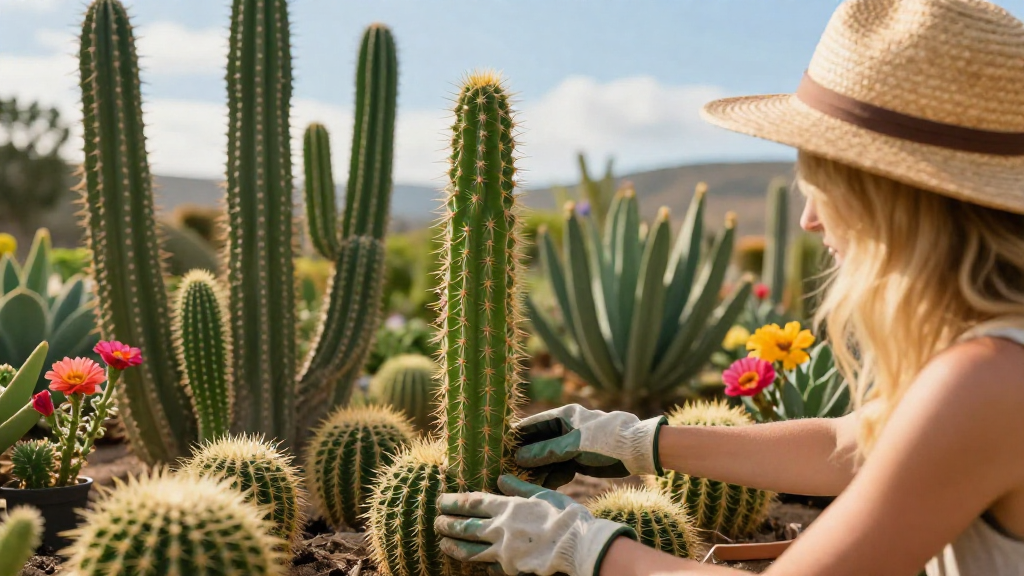
If you’ve ever wondered how to grow cactus outdoors, you’re in the right place.
Cacti are a unique and resilient group of plants known for their ability to thrive in harsh conditions. But can they thrive outdoors in temperate climates? Let’s delve into the essential steps and considerations to successfully grow these fascinating plants in your garden.
What Are Cacti and Where Do They Thrive?
Cacti belong to the family Cactaceae and are primarily native to the Americas.
They thrive in:
- Dry desert conditions
- Sunny environments
- Soil with excellent drainage
Understanding their natural habitat is the first step in learning how to grow cactus outdoors in temperate regions.
Can Cacti Survive in Temperate Climates?
Yes, certain types of cacti can certainly survive in temperate climates.
Many species, such as the prickly pear (Opuntia) and the hedgehog cactus (Echinocereus), are known to tolerate cooler temperatures.
However, it’s crucial to select the right varieties that can endure frost and colder weather. Some key points to consider include:
-
Frost Tolerance: Look for cacti that can withstand freezing temperatures, generally below 25°F (-4°C).
-
Moisture Levels: Temperate climates can have periods of high rainfall, so choose varieties that are less sensitive to moisture.
What Kind of Soil Is Best for Cacti?
When learning how to grow cactus outdoors, the importance of soil cannot be overstated.
They require well-draining soil to prevent root rot.
Recommended Soil Mixes:
-
Cactus Potting Mix: This is specially formulated for cacti and succulents.
-
DIY Mix: Combine equal parts of:
– Potting soil
– Perlite
– Sand
This mix promotes drainage while still providing essential nutrients for healthy cactus growth.
How Much Sunlight Do Cacti Need?
Cacti love sunlight!
Most require 6 to 8 hours of direct sunlight daily to thrive.
Tips for Sunlight Exposure:
- Location: Position your cacti in a spot with full sun exposure.
- Use of Containers: If you’re in an area prone to extreme temperatures, consider using containers. This allows for easy movement to protect them from harsh conditions.
Warning Signs of Insufficient Light:
- Stretching: Cacti stretching towards the light may indicate they are not getting enough sun.
- Pale Color: A loss of vibrant color can signify a lack of sufficient light.
How Often Should You Water Your Cactus?
Watering can be tricky when determining how to grow cactus outdoors.
Many new plant owners often Overwater their cacti, leading to root rot.
General Watering Guidelines:
-
Growing Season (Spring and Summer): Water every 2-3 weeks, allowing the soil to dry completely between waterings.
-
Dormant Season (Fall and Winter): Reduce frequency; watering once a month or less is often sufficient.
Tips for Proper Watering:
-
Check the Soil: Stick your finger into the soil about an inch deep; if it’s dry, it’s time to water.
-
Water at the Base: Avoid getting water on the plant itself to reduce the risk of rot and disease.
How Can You Protect Cacti from Pests and Diseases?
Cacti in temperate climates can be susceptible to pests and diseases, which is vital to address when learning how to grow cactus outdoors.
Common Pests:
-
Mealybugs: Look for cotton-like masses on stems.
-
Spider Mites: Fine webbing on the plant is a telltale sign.
Prevention Measures:
-
Inspect Regularly: Early detection is key when maintaining healthy cacti.
-
Neem Oil or Insecticidal Soap: Use these treatments at the first sign of a pest issue.
Common Diseases:
-
Root Rot: This happens due to excessive moisture. Ensure proper drainage to prevent this problem.
-
Fungal Infections: Often caused by wet, humid conditions. Ensure adequate airflow around your plants.
What Are the Best Cacti for Outdoor Gardens in Temperate Climates?
Choosing the right species can set you on the path of successful cactus gardening.
Here are some of the best options for how to grow cactus outdoors in temperate regions:
-
Prickly Pear (Opuntia): This hardy species can handle freezing temperatures and has edible fruit.
-
Crested Cactus (Echinopsis): Known for its beautiful flowers, it does well in diverse conditions.
-
Hedgehog Cactus (Echinocereus): This compact cactus can survive low temperatures and is perfect for smaller gardens.
-
Barrel Cactus (Ferocactus): Its ribbed design makes it attractive and drought-resistant.
-
Pincushion Cactus (Mammillaria): Small and colorful, it does well in gardens and pots alike.
When is the Best Time to Plant Cactus Outdoors?
Timing is crucial in successfully growing cacti outdoors.
The optimal time for planting is in the spring, after the last frost date in your area.
What to Consider:
-
Soil Temperature: Ensure the soil has warmed to at least 60°F (15°C) to promote root development.
-
Weather Conditions: Avoid planting during heavy rain or extreme temperature fluctuations.
How Can You Fertilize Cacti Effectively?
While cacti are low-maintenance, they benefit from occasional fertilization.
Select a fertilizer that is:
-
Low in nitrogen: Too much nitrogen can harm cacti.
-
Water-soluble: This allows for easier absorption.
Fertilization Schedule:
-
Spring and Summer: Fertilize once a month during growing seasons.
-
Fall and Winter: Do not fertilize, as cacti enter their dormant period.
Conclusion: Enjoy the Beauty of Cacti Outdoors
Learning how to grow cactus outdoors in temperate climates is a rewarding venture.
These resilient plants can flourish with the right care and attention.
By following the guidelines outlined above — from selecting the right soil and sunlight conditions to watering and fertilizing —
You can create a captivating outdoor space that showcases the unique beauty of cacti.
Whether you are sprucing up your garden or creating a stunning focal point, cacti offer durability and elegance unique to their kind.
Start your cactus journey today, and enjoy the wonder of these magnificent plants in your outdoor garden!