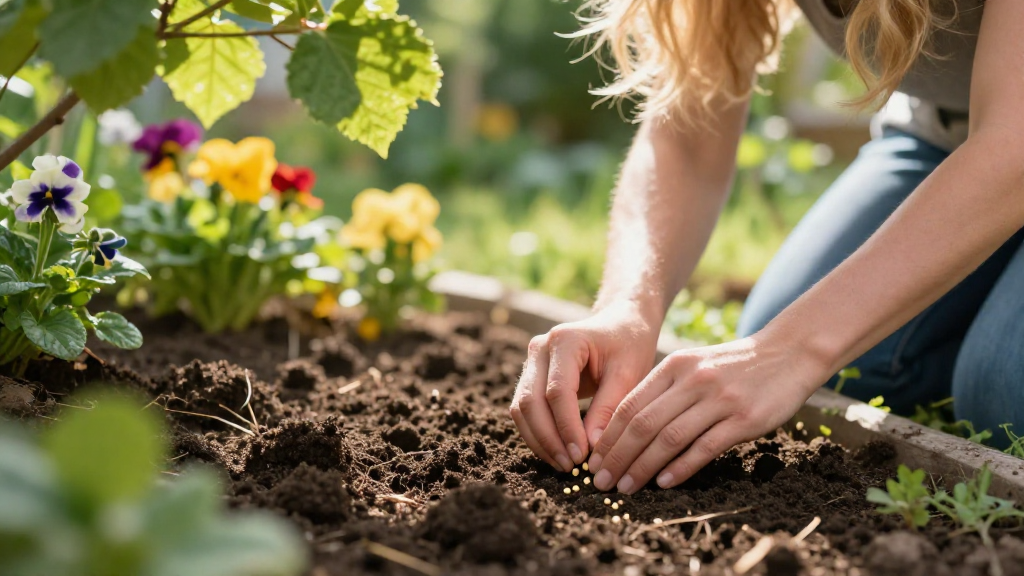
If you’re eager to learn how to plant seeds, you’re in the right place.
In this guide, we will walk you through the essential steps for successful seed planting, ensuring you get the most out of your gardening efforts.
What Materials Do You Need to Plant Seeds?
Before diving into the how to plant seeds process, it’s important to gather all necessary materials.
Here’s a checklist to get you started:
-
Seeds: Choose seeds that are appropriate for your climate, season, and gardening space.
-
Seed trays or pots: Make sure they have drainage holes to prevent waterlogging.
-
Seed-starting mix: Use a high-quality seed-starting mix that is light and fluffy, promoting root growth.
-
Water: A spray bottle or watering can for even moisture distribution.
-
Labels: To keep track of what you’ve planted.
-
Light source: Natural sunlight or grow lights, depending on your indoor or outdoor conditions.
When is the Best Time to Plant Seeds?
Timing is crucial when learning how to plant seeds.
Different seeds have different planting times.
Here are some general guidelines:
-
Spring: Ideal for most vegetables and annual flowers.
-
Fall: Perfect for cool-weather crops such as spinach and certain herbs.
-
Indoor planting: Start seeds indoors 6-8 weeks before the last frost date in your region.
How to Prepare Your Soil for Planting Seeds?
Proper soil preparation is one of the key components of how to plant seeds successfully.
Follow these steps:
-
Choose the Right Location: Ensure your garden bed or pot receives the appropriate amount of sunlight—6-8 hours for most plants.
-
Test the Soil: A simple pH test can help you determine if you need to amend your soil.
-
Amend the Soil: Add compost or well-rotted manure to enrich the soil.
-
Loosen the Soil: Use a garden fork or shovel to break up compacted soil, making it easy for the seeds to germinate.
-
Level the Surface: Rake the soil to create an even surface for planting.
How to Plant Seeds Step-by-Step?
Ready to plant? Here’s a step-by-step guide on how to plant seeds effectively:
1. Make the Right Holes
-
Use your fingers, a pencil, or a dibber to create holes in the soil.
-
Follow the seed package instructions for depth; generally, plant seeds two to four times as deep as their diameter.
2. Add Seeds
-
Place 1-3 seeds into each hole, based on your planting strategy (thinning can be done later).
-
Don’t overcrowd; give each seed enough space as it grows.
3. Cover and Firm the Soil
- Gently cover the seeds with soil and lightly press down to ensure good soil-to-seed contact.
4. Water Carefully
-
Use a fine spray bottle or watering can to moisten the soil without disturbing the newly planted seeds.
-
Ensure the soil remains consistently moist but not soggy.
5. Label Your Plantings
-
Organize your planting by labeling each section, so you know what you planted where.
-
This will help you track growth and care routines.
How to Care for Seeds After Planting?
After planting, your care routine plays a vital role in the success of your seeds. Here are essential tips:
-
Water Regularly: Keep the soil consistently moist, especially during dry spells.
-
Monitor Temperature: If planting indoors, maintain the right temperature for germination—most seeds germinate well at 70-75°F (21-24°C).
-
Provide Adequate Light: If you’re growing indoors, ensure seeds receive about 12-16 hours of light daily.
-
Thin Seedlings: Once your seedlings reach a few inches tall, thin them out to provide individual plants enough space to grow.
Why is Temperature Important When Planting Seeds?
Maintaining the right temperature is crucial to your success in how to plant seeds.
Here’s why:
-
Seed Germination: Most seeds require specific temperature ranges to germinate.
-
Optimum Growth: After germination, maintaining a steady temperature helps establish strong, healthy plants.
-
Prevent Disease: Too much heat or humidity can lead to fungal diseases that threaten your seedlings.
What Common Mistakes Should You Avoid?
Learning how to plant seeds also involves knowing what to avoid.
Here are some common mistakes:
-
Planting Too Deep or Too Shallow: This can prevent proper germination.
-
Overwatering: Waterlogged soil can lead to seed rot or root rot.
-
Ignoring Soil Quality: Poor soil quality can severely affect plant health.
-
Forgetting to Thin: Not thinning seedlings can lead to competition for nutrients and space.
Can You Replant Leftover Seeds?
Yes, you can replant leftover seeds, but here are a few tips:
-
Check Viability: Conduct a germination test to see if they’re still viable.
-
Storage: Keep seeds in a cool, dry place in an airtight container.
-
Timing: Make sure you understand the proper seasonal timing for each seed variety.
How to Conclude Your Seed Planting Journey?
Once your seeds have germinated and grown into thriving plants, the work doesn’t stop:
-
Regular Maintenance: Continue watering, weeding, and monitoring for pests.
-
Fertilization: Feed your plants with appropriate fertilizers based on their needs.
-
Transplanting: If growing indoors, transplant them outside when conditions are favorable.
Learning how to plant seeds is more than just putting seeds in the ground; it’s a journey that requires preparation, attention, and care.
By following the steps outlined in this guide, you’ll ensure your garden flourishes and delivers a rich harvest.
Happy planting!