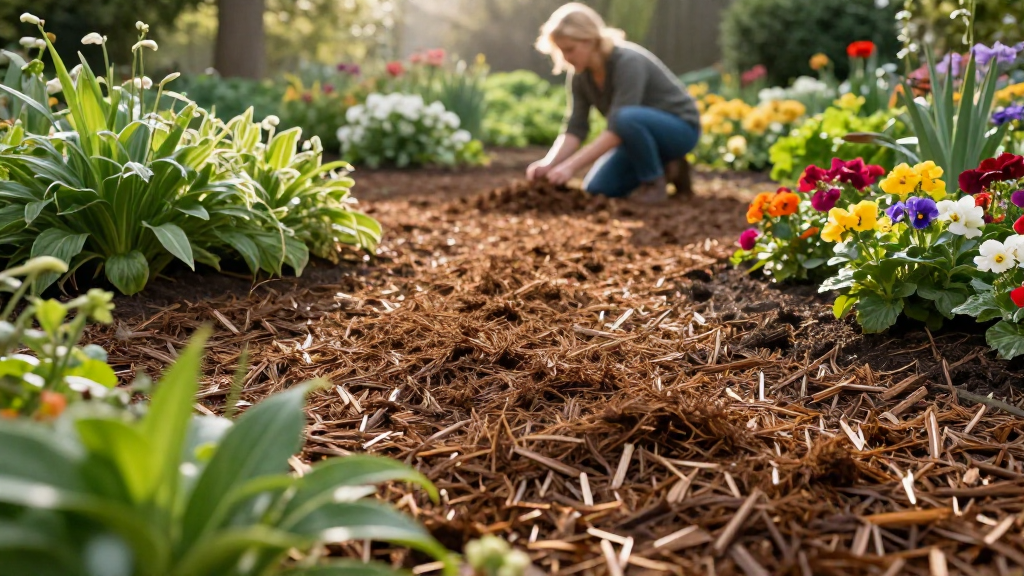
Mulching is a vital practice in gardening that helps improve moisture retention, among other benefits.
If you’re wondering how to mulch a garden, this article will provide you with all the necessary steps and tips to effectively retain moisture while enhancing your garden’s health.
What is Mulching, and Why is it Important?
Mulching is the process of adding a layer of material on top of soil.
This layer protects the soil, conserves moisture, and provides various horticultural benefits:
- Moisture Retention: Mulch helps retain soil moisture by reducing evaporation.
- Soil Temperature Regulation: It keeps the soil cooler in summer and warmer in winter.
- Weed Control: A barrier created by mulch prevents weeds from germinating.
- Soil Fertility: Organic mulches decompose over time, enriching the soil with nutrients.
- Erosion Prevention: A mulch layer prevents soil erosion due to wind and rainfall.
With these benefits in mind, let’s delve into how to mulch a garden effectively.
What Materials Can You Use for Mulching?
When considering how to mulch a garden, the choice of material is crucial.
Here are some common mulching materials:
Organic Mulches:
- Wood Chips: Durable and effective for long-lasting coverage.
- Straw: Lightweight and easy to spread; best for vegetable gardens.
- Grass Clippings: Readily available and decompose quickly, providing nutrients.
- Leaves: Shredded leaves make an excellent biodegradable mulch.
- Bark: Aesthetically pleasing and long-lasting.
Inorganic Mulches:
- Plastic Sheeting: Effective for weed control but may increase soil temperature.
- Landscape Fabric: Allows air and water to penetrate while suppressing weeds.
- Rubber Mulch: Durable and resistant to decay but has little nutrient value.
How to Choose the Right Mulch?
When deciding how to mulch a garden, consider the following factors:
- Type of Plants: Different plants may have different mulch preferences.
- Local Climate: Hot climates may benefit more from organic materials that cool the soil.
- Availability: Use what you have on hand to make the process cost-effective.
When Should You Apply Mulch?
Timing is essential when learning how to mulch a garden.
The best times to apply mulch include:
- Spring: After the soil warms but before weeds emerge.
- Fall: To protect plants and soil through the winter months.
- After Planting: Once your plants are established, applying mulch will help them thrive.
How to Mulch a Garden: Step-by-Step Guide
Now let’s break down the steps on how to mulch a garden effectively.
1. Prepare the Area
- Clean the Site: Remove weeds, grass, and debris from the area.
- Level the Soil: Rake the soil to create an even surface.
- Water the Soil: This ensures that your plants receive moisture even after mulching.
2. Choose and Measure Your Mulch
- Select Your Mulch Material: Depending on your needs, choose from organic or inorganic materials.
- Calculate the Amount: Measure the area you need to cover.
- Formula: Length x Width = Square Footage.
- For example, if your garden is 10 feet by 5 feet, you’ll need 50 square feet of mulch.
3. Apply the Mulch
- Depth: Apply mulch to a depth of 2-4 inches for effective moisture retention.
- Leave Space: Ensure that mulch is not piled up against plant stems, which can cause rot.
- Even Distribution: Spread mulch evenly across the surface.
4. Water After Mulching
After applying the mulch, it’s crucial to water the garden well to settle the mulch.
This also ensures that moisture reaches the soil beneath.
5. Maintain Your Mulch
- Replenish: Organic mulches decompose, and you’ll need to replenish them annually.
- Weed Check: Regularly check for weeds—pull them out if they pop up.
- Observe Soil Moisture: Monitor moisture levels to know if your mulch is doing its job.
What are the Common Mistakes to Avoid?
When you know how to mulch a garden, it’s just as crucial to avoid common pitfalls.
Mistakes to Watch For:
- Too Much Mulch: Over-applying can suffocate plant roots and retain excessive moisture.
- Ignoring Weeds: If the area isn’t well-prepared, weeds will penetrate through the mulch.
- Neglecting Watering Needs: Always water your garden after mulching to ensure moisture reaches the roots.
How Does Mulching Benefit Different Garden Types?
Understanding the application of mulch in various garden types enriches the knowledge of how to mulch a garden.
1. Flower Gardens
- Benefits: Enhances visual appeal and conserves moisture for blooming plants.
- Material Choice: Organic mulches like bark or straw improve soil health.
2. Vegetable Gardens
- Benefits: Regulates soil temperature and controls weeds.
- Material Choice: Grass clippings or straw work well for vegetables.
3. Trees and Shrubs
- Benefits: Protects roots and maintains soil moisture.
- Material Choice: Wood chips or shredded bark provide good coverage.
Conclusion
In conclusion, understanding how to mulch a garden is essential for every gardener looking to improve moisture retention and overall plant health.
By choosing suitable materials, applying mulching at the right time, and following the steps outlined above, you can create a thriving garden.
Remember the benefits of mulching not only help the plants but also enrich the soil over time.
Happy gardening!