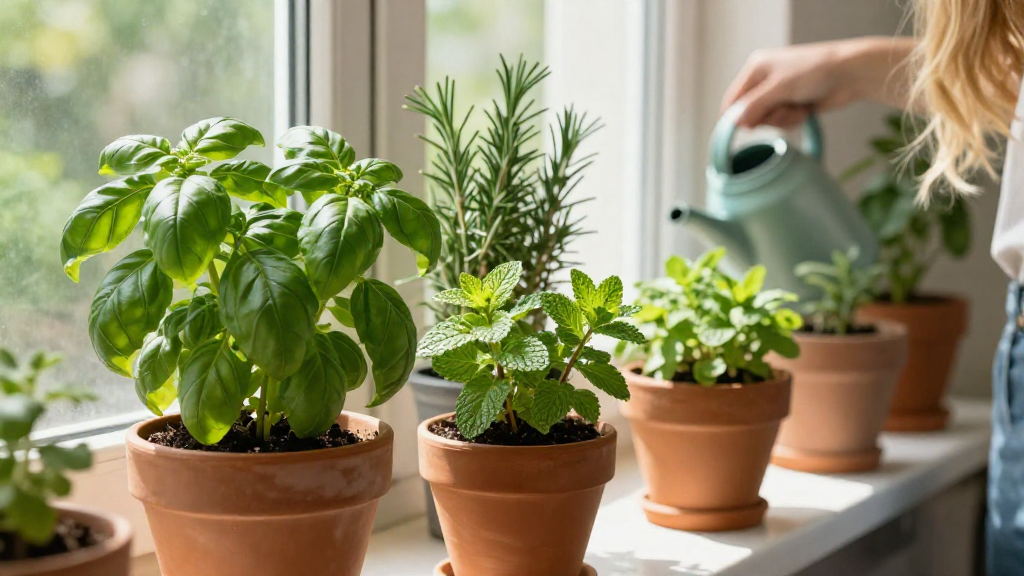
Learning how to grow herbs is a rewarding endeavor that brightens your kitchen and enhances your culinary skills. Fresh herbs add flavor, aroma, and nutrition to your meals while offering various health benefits. In this article, we will explore effective methods to grow herbs both indoors and outdoors, ensuring you have a flourishing herb garden all year round.
What Are the Best Herbs to Grow?
Choosing the right herbs is essential to ensure a successful growing experience. Here are some popular herbs that are easy to grow:
- Basil: Perfect for Italian dishes and a favorite in many cuisines.
- Mint: Versatile and refreshing, ideal for teas and desserts.
- Chives: Great for garnishing salads, soups, and more.
- Parsley: A key ingredient in many dishes, high in vitamins.
- Thyme: Adds depth to savory dishes and pairs well with meats.
- Rosemary: A robust herb that enhances many meals.
These herbs are ideal for beginners looking to understand how to grow herbs successfully, whether in pots indoors or in your garden.
How to Grow Herbs Indoors: What Do You Need?
Growing herbs indoors requires specific conditions and materials to thrive. Here’s what you’ll need:
- Containers: Choose pots with good drainage holes. Clay pots are excellent for indoor herbs.
- Potting Mix: Use a high-quality potting mix that retains moisture yet drains well.
- Light: Most herbs require at least 6 hours of sunlight daily. An east-facing window is ideal.
- Water: Ensure you water your herbs adequately without overwatering. A moisture meter can help.
How to Grow Herbs Indoors: Step-by-Step Instructions
Follow these steps to grow herbs indoors and enjoy fresh flavors in your dishes:
-
Choose Your Herbs: Select herbs suited to your cooking style and dining preferences.
-
Prepare the Pots: Fill your containers with potting mix, leaving space at the top.
-
Plant the Seeds/Seedlings:
– If using seeds, sow them according to the instructions on the packet, generally about 1/4 inch deep.
– For seedlings, gently remove them from their nursery pots and plant them in your prepared containers. -
Water Appropriately: Water the soil until it is moist but not soggy. Allow the top layer to dry before watering again.
-
Provide Adequate Light: Place your potted herbs in a spot where they receive enough sunlight. If natural light is insufficient, consider using grow lights.
-
Fertilize Wisely: Opt for a balanced, water-soluble fertilizer. Fertilize every 4–6 weeks during the growing season.
-
Monitor and Maintain: Look out for pests and diseases. Regularly check the moisture level and prune your herbs to encourage bushy growth.
By following these steps, you’ll soon be on your path to mastering how to grow herbs indoors!
How to Grow Herbs Outdoors: What’s the Best Growing Environment?
Growing herbs outdoors can be a fulfilling experience. Here’s how to create the best environment for your outdoor herb garden:
- Choose the Right Location: Select a sunny spot that gets at least 6-8 hours of sunlight each day.
- Quality Soil: Ensure the soil is well-drained and rich in organic matter. You can improve your soil by adding compost.
- Containers or Garden Bed: Decide whether you want to plant in containers or directly in the ground. Containers can provide flexibility, while garden beds allow for larger crops.
How to Grow Herbs Outdoors: Step-by-Step Instructions
Ready to grow your herbs outdoors? Here’s how you can begin:
-
Select Your Herbs: Choose a variety of herbs based on your culinary needs and local climate.
-
Prepare the Site:
– If planting in the ground, loosen the soil to at least 12 inches deep and mix in compost.
– For containers, ensure they have drainage holes and fill them with potting mix. -
Sow the Seeds or Transplant Seedlings:
– For seeds, plant them according to the depth recommended on each seed packet.
– If using seedlings, transplants should be set at the same depth they were in their nursery pots. -
Watering Schedule:
– Water your plants thoroughly after planting and maintain consistent moisture as they grow.
– In hot weather, herbs may need daily watering, especially those in pots. -
Weed and Mulch: Keep the area free from weeds. Applying a layer of mulch can help retain moisture and suppress weeds.
-
Harvesting: Begin harvesting once your herbs are established. Frequent harvesting encourages growth.
-
Seasonal Care: Before winter, consider bringing potted herbs indoors or protecting your outdoor plants with mulch or row covers.
Implementing these steps will put you well on your way to mastering how to grow herbs outdoors!
What Challenges Might You Encounter?
Though growing herbs can be easy, several challenges may arise:
- Pests: Watch for common pests such as aphids and spider mites. Use organic insecticidal soap if needed.
- Diseases: Overwatering can lead to root rot. Ensure proper drainage and airflow around your herbs.
- Insufficient Light: Indoors, herbs may not receive enough sunlight. Supplement with grow lights as needed.
By being aware of potential challenges, you can better address them and continue your journey in how to grow herbs.
How to Harvest and Use Your Herbs?
Harvesting is a thrilling part of the herb-growing process! Here’s how to do it effectively:
-
When to Harvest: Harvest your herbs when they reach a sufficient height and have enough foliage. Morning is the best time for flavor.
-
How to Harvest:
– Use clean scissors to snip off leaves or stems.
– Leave at least one-third of the plant intact to ensure continued growth. -
Preserving Herbs:
– Drying: Hang herbs upside down in a cool, dark place to dry.
– Freezing: Chop herbs and mix with a little olive oil before freezing in ice cube trays.
– Basil Pesto: Blend fresh basil with pine nuts, parmesan, olive oil, and garlic for a tasty sauce.
Conclusion
Growing herbs can be a delightful and fulfilling project, enhancing the flavors of your kitchen and your gardening skills.
By understanding how to grow herbs indoors and outdoors, you can create an ongoing supply of fresh ingredients for your culinary adventures.
Whether you have a sunny windowsill or a backyard garden, taking the time to grow herbs is an investment in flavor, health, and joy. Start your herb garden today and enjoy the rich flavors and aromas these plants offer!