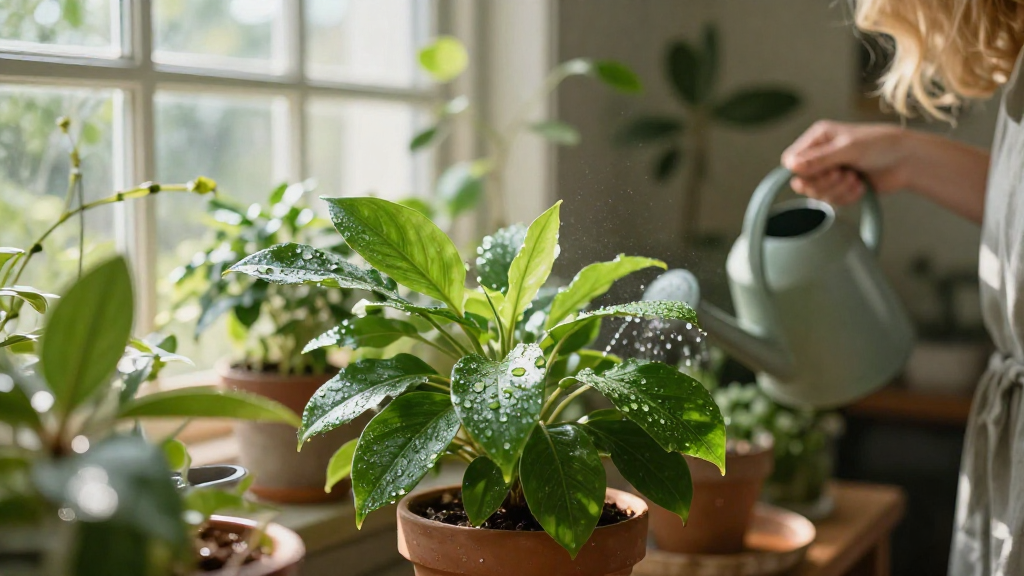
Understanding how to water plants effectively is essential for nurturing them to health and vitality.
In this guide, we explore the best strategies and methods to ensure your plants receive the right amount of water they need to thrive.
Why is Proper Watering Important?
Watering plants isn’t just about pouring water on them.
To truly grasp how to water plants, you must understand the significance of hydration in plant care:
- Nutrient Transport: Water is crucial for transporting nutrients from the soil to various parts of the plant.
- Photosynthesis: Plants use water to undergo photosynthesis, the process through which they convert sunlight into energy.
- Cell Structure: Adequate moisture helps maintain cell turgor, which keeps plants upright and healthy.
How Often Should You Water Plants?
Determining how frequently you should water your plants is essential for their health.
Factors to consider include:
- Plant Type: Different species have different moisture requirements.
- Climate: Hot, windy, or dry conditions can increase water needs.
- Season: Plants usually require more water during their active growth seasons (spring and summer).
A general rule of thumb is to check the top inch of soil.
If it feels dry, it’s time to water.
How Deep Should You Water Plants?
When considering how to water plants effectively, depth matters.
Watering deeply but less frequently encourages:
- Root Growth: It allows roots to extend deeper into the soil, accessing moisture and nutrients.
- Soil Aeration: Deep watering reduces surface runoff and improves oxygen levels in the soil.
To ensure adequate watering:
- Water until you see moisture at least 6-12 inches deep.
- Use a soil moisture meter to gauge the moisture content accurately.
What is the Best Time to Water Plants?
Timing can significantly affect how well your plants absorb water.
The best times to water your plants include:
- Early Morning: Watering in the early hours minimizes evaporation and allows plants to absorb moisture before the heat of the day.
- Late Afternoon: If morning is not possible, late afternoon watering can still work, provided it’s early enough for leaves to dry before nightfall.
Should You Water Until Water Runs Out?
A common question among plant enthusiasts is whether to water until it runs out of the drainage holes.
Here’s how to approach this:
- For potted plants: Yes, water should run out of the drainage holes to ensure the soil is saturated.
- In-ground plants: It’s often better to water until the soil is sufficiently moistened but not soggy.
How to Water Plants During Drought?
Learning how to water plants during a drought or dry spell is crucial for maintaining healthy plants.
Here are some strategies to consider:
- Mulching: Apply a layer of mulch around your plants to retain soil moisture.
- Drip Irrigation: Consider installing a drip irrigation system that delivers water directly to the roots without wastage.
- Water Retentive Products: Utilize crystals or gels that retain water in the soil for extended periods.
Can You Overwater Plants?
Overwatering is just as detrimental as underwatering.
Signs of overwatered plants include:
- Yellowing Leaves: This can indicate root rot or other issues caused by excess moisture.
- Wilting: Paradoxically, overwatered plants may also exhibit wilting due to root damage.
To mitigate overwatering, follow these guidelines:
- Ensure Well-draining Potting Mix: Use a soil mix that promotes drainage.
- Avoid Watering on a Schedule: Always check soil moisture before watering.
What Tools Do You Need to Water Plants Properly?
Having the right tools can make watering more effective and straightforward.
When considering how to water plants, here are some useful tools:
- Watering Can: Ideal for small tasks, especially for indoor plants.
- Garden Hose: Effective for larger areas but consider adding a spray nozzle for control.
- Soaker Hose: Great for delivering water slowly and deeply.
How to Know if Your Plants Are Getting Enough Water?
Monitoring the health of your plants is key to understanding their watering needs.
Here are some indicators:
- Leaf Color and Texture: Healthy leaves are vibrant and firm, while droopy or yellowing leaves signal issues.
- Soil Check: Always check the top inch of soil; if it’s dry, it’s time to water.
Can Plants Drink Water from the Bottom?
Bottom watering can be an excellent technique, particularly for certain types of plants.
How to Implement Bottom Watering?
- Fill a Basin: Create a basin filled with water.
- Place Pots Inside: Let the soil absorb moisture from the bottom.
- Remove After Soaking: After about 30 minutes, remove the pots and let excess water drain.
This method encourages roots to grow downward and prevents the tops from becoming overly wet.
Should You Use Tap Water or Rainwater?
Knowing how to water plants extends to what kind of water you use.
- Tap Water: While generally acceptable, it may contain chlorine or fluoride, which can affect sensitive plants.
- Rainwater: Collecting and using rainwater is an eco-friendly option rich in nutrients.
How to Store Rainwater?
- Install a Rain Barrel: A great way to collect runoff from your roof.
- Keep It Covered: Prevent debris and mosquitoes from contaminating your water source.
Conclusion: Mastering How to Water Plants
By understanding how to water plants the right way, you can ensure they receive the care they need to flourish.
Remember to:
- Check soil moisture regularly.
- Water deeply and less frequently.
- Adapt to the needs of different plants.
With the right approach, you’ll create an environment where your plants can thrive, exuding health and vibrancy in your home or garden. Happy gardening!