Smart thermostats with remote sensors help solve one of the biggest home comfort problems: one room feels perfect while another runs too hot or too cold.
In this roundup, we focus on models that make temperature balancing, scheduling, and energy management easier for modern households.
Best 10 Smart Thermostats with Remote Sensors Picks for 2026
Premium Whole-Home Comfort
ecobee Smart Thermostat Premium

- Includes one SmartSensor for room-by-room comfort
- Saves up to 26% on energy bills
- Adds air quality monitoring and smart speaker features
Best For: buyers wanting premium comfort and monitoring features
Learning Control With Sensor
Google Nest Learning Thermostat 4th Gen

- Includes a Nest Temperature Sensor (2nd gen)
- Can help save up to 31% on energy bills
- Works with Google Home, Alexa, Siri, and Matter
Best For: homes that want learning automation with included sensing
Affordable Comfort With Sensor Support
ecobee Smart Thermostat Enhanced
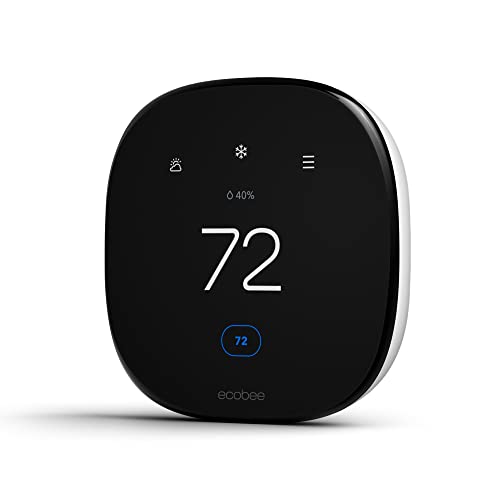
- Supports ecobee SmartSensors for room-by-room comfort
- Saves up to 26% per year on energy costs
- Works with Alexa, Google Assistant, HomeKit, and SmartThings
Best For: buyers who want add-on sensor support at a lower price
Sleek Sensor Bundle
Google Nest Learning Thermostat 4th Gen Obsidian

- Includes a Nest Temperature Sensor (2nd gen)
- Can help save up to 31% on energy bills
- Obsidian finish with Google Home and voice control
Best For: buyers who want the Nest sensor bundle in a black finish
Budget-Friendly Room Sensor Ready Thermostat
Sensi Touch 2 Smart Thermostat Wi-Fi, Alexa

- Works with Sensi Room Sensors
- ENERGY STAR certified, about 23% energy savings
- DIY install with app guidance
Best For: Budget-minded buyers who want a simple thermostat with optional room sensors
Advanced Occupancy-Sensing Thermostat
TQX Matter Over WiFi Thermostat

- Includes occupancy sensing and one remote sensor
- Pairs with up to 5 QSZ Remote Sensors
- Works with Matter, Wi-Fi, Bluetooth, and Zigbee
Best For: Smart-home users who want advanced sensor integration and Matter support
White Sensor-Ready Smart Thermostat
Sensi Touch 2 Smart Thermostat Wi-Fi

- Works with Sensi Room Sensors
- ENERGY STAR certified with flexible scheduling
- Privacy protection and easy DIY install
Best For: Buyers who want the Sensi sensor-ready thermostat in white
Premium Comfort Hub
Honeywell Home X8S with Sensor
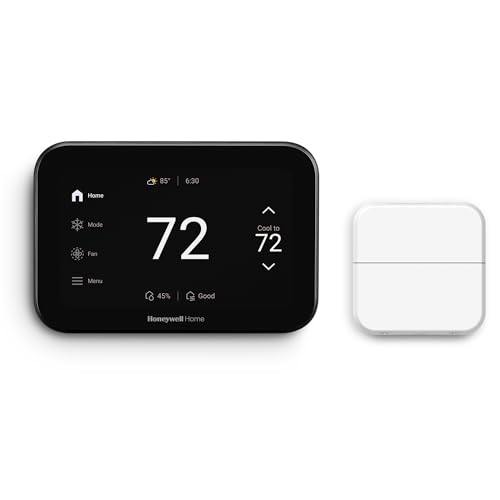
- Includes a wireless Room Sensor with up to 200 ft range.
- Uses occupancy and presence detection to adjust comfort automatically.
- Works with Matter, Alexa, Google Assistant, Apple Home, and the First Alert app.
Best For: Homes that want premium comfort control and targeted room sensing
Value-Friendly Simple Pick
ecobee Smart Thermostat Essential

- Works with an ecobee SmartSensor sold separately for room sensing.
- Offers app, touchscreen, and voice assistant control.
- Includes energy-saving scheduling, auto-away, and humidity features.
Best For: Buyers who want a simple smart thermostat with optional remote sensors later
Advanced Learning Choice
Google Nest Learning Thermostat 4th Gen

- Includes a Nest Temperature Sensor (2nd gen) and works with any Nest sensor.
- Learning features help manage hot and cold spots automatically.
- Large display, Matter support, and remote control through the Google Home app.
Best For: Premium buyers who want learning automation plus included room sensing
Premium Whole-Home Comfort – ecobee Smart Thermostat Premium
If you’re comparing smart thermostats with remote sensors, the ecobee Smart Thermostat Premium is built for room-by-room comfort. The included SmartSensor helps it focus on occupied spaces instead of a single hallway reading, while the thermostat also adds energy-saving automation, app control, and broad HVAC compatibility.
Best For: Homes that want premium comfort features, occupancy-based temperature control, and extra smart-home functionality.
Pros:
- Includes a SmartSensor to help balance hot and cold spots in used rooms.
- ENERGY STAR certified and designed to save up to 26% on energy bills.
- Built-in air quality monitoring and furnace filter reminders.
- Works with Siri or Alexa and supports a live doorbell camera view with compatible ecobee gear.
Cons:
- Some smart features require additional ecobee devices or subscriptions.
- Voice and ecosystem features depend on your preferred platform.
Overall, this is the most feature-rich option in the group if you want comfort control plus extra home-monitoring capabilities. It combines remote sensing, occupancy awareness, and a polished interface in one thermostat.
Learning Control With Sensor – Google Nest Learning Thermostat 4th Gen
Google Nest Learning Thermostat (4th gen) + Nest Temperature Sensor (2nd gen) - Silver
Check Price On AmazonThis Google Nest model is a strong pick if you want smart thermostats with remote sensors and a system that learns over time. It includes a Nest Temperature Sensor (2nd gen) for managing hot and cold spots, while the thermostat itself adds adaptive scheduling, remote control through the Google Home app, and broad assistant compatibility.
Best For: Households that want a learning thermostat with included room sensing and Google Home control.
Pros:
- Includes a Nest Temperature Sensor (2nd gen) for room-based temperature targets.
- Can help save up to 31% on heating and cooling bills.
- Works with most 24V systems and usually does not require a C wire.
- Controls from the Google Home app and supports Alexa, Siri, and Google Assistant.
Cons:
- Best room-sensing features depend on placement and use of the sensor.
- Premium learning and scheduling features may be more than some users need.
For shoppers who want automation with a cleaner approach to temperature balancing, this bundle is a standout. The included sensor and learning features make it well suited to households that want comfort without constant manual adjustments.
Affordable Comfort With Sensor Support – ecobee Smart Thermostat Enhanced
Among smart thermostats with remote sensors, the ecobee Smart Thermostat Enhanced is a practical middle-ground option. It does not include SmartSensors in the box, but it does support them for room-by-room comfort, while offering remote app control, occupancy sensing, and automatic energy-saving adjustments.
Best For: Buyers who want a capable smart thermostat now and plan to add remote sensors later.
Pros:
- Supports ecobee SmartSensors for occupied-room comfort.
- Can save up to 26% per year on heating and cooling costs.
- Includes occupancy sensing and preheating or precooling before you arrive.
- Works with Alexa, Google Assistant, Apple HomeKit, and SmartThings.
Cons:
- SmartSensors are sold separately.
- It offers fewer premium extras than ecobee’s higher-end model.
This model makes sense if you want the ecobee app experience and room-based control without paying for extras you may not use. It is especially appealing for homes that want a flexible upgrade path with optional sensors.
Sleek Sensor Bundle – Google Nest Learning Thermostat 4th Gen Obsidian
Google Nest Learning Thermostat (4th gen) + Nest Temperature Sensor (2nd gen) - Obsidian
Check Price On AmazonIf you want smart thermostats with remote sensors in a darker finish, this Obsidian version of the Google Nest Learning Thermostat 4th gen is the same feature set in a different look. It includes a Nest Temperature Sensor (2nd gen) for managing hot and cold spots, plus learning-based energy savings, remote app control, and broad smart-home compatibility.
Best For: Buyers who want the same Nest sensor bundle in a modern black finish.
Pros:
- Includes a Nest Temperature Sensor (2nd gen) for targeted room comfort.
- Can help save up to 31% on heating and cooling bills.
- Works with most 24V systems and usually does not need a C wire.
- Supports control from the Google Home app and voice assistants.
Cons:
- Mostly a finish variant, so it does not add new features over the silver version.
- As with any sensor setup, performance depends on how well the sensor is placed.
This is the easiest pick for shoppers who want the Nest sensor bundle but prefer a darker, more understated design. Functionally, it tracks closely with the silver model while offering a different aesthetic.
Budget-Friendly Room Sensor Ready Thermostat – Sensi Touch 2 Smart Thermostat Wi-Fi, Alexa
If you want smart thermostats with remote sensors support without overcomplicating the setup, the Sensi Touch 2 is a practical pick. It works with Sensi Room Sensors to help balance temperatures across the home, while adding remote access, scheduling, and usage reports for everyday control.
Best For: Homeowners who want a straightforward thermostat with privacy-minded features and optional room sensors.
Pros:
- Compatible with Sensi Room Sensors for whole-home temperature balancing
- ENERGY STAR certified and claims about 23% HVAC energy savings
- Easy DIY installation with app guidance and universal Bluetooth setup help
- Includes smart maintenance tools like alerts and filter reminders
Cons:
- Room sensors are sold separately
- C-wire is required for installation
- Only works as well as your HVAC system and sensor placement allow
Overall, this is a solid value option if you want a familiar smart thermostat experience with the option to add sensors later. It focuses on convenience, privacy, and energy monitoring rather than flashy extras.
Advanced Occupancy-Sensing Thermostat – TQX Matter Over WiFi Thermostat
Among smart thermostats with remote sensors, the TQX stands out for its occupancy-focused approach. It includes its own occupancy sensor, supports up to 5 QSZ Remote Sensors, and uses combined sensor data to adjust whole-home comfort through your preferred smart-home ecosystem.
Best For: Smart-home users who want Matter compatibility and a more advanced sensor-driven comfort system.
Pros:
- Includes one remote sensor and can pair with up to 5 QSZ Remote Sensors
- Uses occupancy detection and remote sensing to help manage comfort
- Works with Matter, Wi-Fi, Bluetooth, and Zigbee ecosystems
- Supports local and remote control through existing smart-home apps
Cons:
- Sensor data controls the overall temperature, not individual rooms independently
- Not compatible with 120V/240V line voltage systems
- Some users may not need the added occupancy-learning features
This is the most feature-rich choice here for buyers who want deeper integration with a smart-home platform. Just note that its sensor strategy is designed for collective comfort, not room-by-room zoning.
White Sensor-Ready Smart Thermostat – Sensi Touch 2 Smart Thermostat Wi-Fi
If you prefer a lighter look, this white Sensi Touch 2 is a clean fit for smart thermostats with remote sensors setups. It supports Sensi Room Sensors for balancing temperatures, while also offering remote access, scheduling, usage reports, and maintenance reminders.
Best For: Buyers who want the same sensor-ready Sensi features in a white finish.
Pros:
- Compatible with Sensi Room Sensors for temperature balancing throughout the home
- ENERGY STAR certified with flexible scheduling and remote access
- Top-rated app helps guide easy DIY installation
- Privacy protection policy does not sell personal information to third parties
Cons:
- Room sensors are sold separately
- C-wire is required
- Core feature set is similar to the black version
Choose this version if the finish matters and you want the same practical Sensi approach. It keeps the focus on easy installation, energy savings, and optional room-sensor support.
Premium Comfort Hub – Honeywell Home X8S with Sensor
If you want smart thermostats with remote sensors for more targeted comfort, the Honeywell Home X8S stands out with its included wireless room sensor and occupancy-aware automation. It’s built to prioritize living areas by day and bedrooms by night, while also giving you remote app control, voice assistant support, and broader smart-home interoperability through Matter.
Best For: Homeowners who want a premium thermostat with flexible room sensing, air-quality controls, and strong app-based convenience.
Pros:
- Includes a wireless Room Sensor with up to 200 ft range for more targeted comfort.
- Advanced occupancy and presence detection can adjust settings when you’re home or away.
- Remote control via the First Alert app, plus Alexa, Google Assistant, Apple Home, and Matter support.
- Extra comfort features include humidity and ventilation control, plus ENERGY STAR certification.
Cons:
- C-wire required, though a voucher for a C-wire adapter is included if needed.
- Does not work with electric baseboard heat.
- Some air quality features may require additional HVAC equipment or accessories.
Overall, the X8S is a strong pick if you want a feature-rich thermostat that goes beyond temperature control and uses its included sensor to help balance comfort across the home.
Value-Friendly Simple Pick – ecobee Smart Thermostat Essential
Among smart thermostats with remote sensors, the ecobee Smart Thermostat Essential keeps the focus on straightforward energy savings and easy control. It doesn’t include a sensor in the box, but it can work with a SmartSensor sold separately to measure temperature and movement in the rooms that matter most.
Best For: Shoppers who want an easy-to-use smart thermostat now and plan to add room sensing later.
Pros:
- Compatible with a SmartSensor sold separately for room-based temperature and motion reading.
- Easy app and touchscreen control, with support for Alexa, Google Assistant, and Apple HomeKit.
- Energy-focused features include scheduling, auto-away behavior, humidity detection, and time-of-use optimization.
- No C-wire required when using the optional Power Extender Kit, sold separately.
Cons:
- Remote sensor support is optional, not included in the box.
- The Power Extender Kit and trim kit are sold separately.
- Feature set is simpler than more premium ecobee models.
This is a practical choice if you want a clean, reliable thermostat platform with the option to expand into room sensing later without paying for extra hardware upfront.
Advanced Learning Choice – Google Nest Learning Thermostat 4th Gen
If your priority is smart thermostats with remote sensors and advanced automation, the Google Nest Learning Thermostat 4th Gen is a standout. It comes with a Nest Temperature Sensor (2nd gen) and works with any Nest Temperature Sensor, making it easier to manage hot and cold spots from the Google Home app.
Best For: Users who want a premium learning thermostat with included room sensing and strong energy-saving automation.
Pros:
- Includes a Nest Temperature Sensor (2nd gen) and supports any Nest Temperature Sensor.
- Can help save up to 31% on heating and cooling bills.
- Large 60% bigger display with Dynamic Farsight for easier room viewing.
- Works with most 24V systems and supports app, voice, and Matter-based control.
Cons:
- Designed for Nest ecosystem sensors rather than generic room sensors.
- Battery-powered installation may not suit every setup preference.
- Some advanced schedule-change features rely on app notifications and approvals.
For buyers who want a thermostat that learns, adapts, and uses room sensors to improve comfort, this model combines polished hardware with a strong mix of automation and app control.
How We Picked the Best Smart Thermostats with Remote Sensors
We looked for thermostats that combine reliable remote sensing, strong app control, broad HVAC compatibility, and practical automation features. Energy-saving tools, voice assistant support, and straightforward installation also mattered, since the best option should improve comfort without adding complexity.
Quick Comparison
As a group, these Smart Thermostats with Remote Sensors fall into a few clear categories: premium models with advanced learning and assistant support, value-focused options with strong basics, and flexible Matter-ready picks for users building a broader smart home. Some include bundled sensors, while others support add-on sensors for more precise room-by-room control.
Key Buying Factors for Smart Thermostats with Remote Sensors
Sensor Strategy
Check whether the thermostat includes one sensor or supports multiple remote sensors. More sensors can improve accuracy in larger homes, multi-story layouts, or rooms that are used at different times of day.
HVAC Compatibility
Make sure the thermostat works with your heating and cooling system before you buy. Compatibility with heat pumps, dual-fuel systems, multi-stage equipment, and C-wire requirements can affect installation and performance.
Automation and Scheduling
Look for features like learning routines, occupancy detection, geofencing, and adaptive schedules. These can help the system prioritize occupied rooms and reduce unnecessary heating or cooling.
App, Voice, and Smart Home Support
Good app controls make it easier to adjust schedules, review energy usage, and manage sensors. If you already use Alexa, Google Home, Siri, or Matter-based devices, choose a thermostat that fits your ecosystem.
Display and Installation
A clear touchscreen, simple wiring guidance, and a clean wall profile can make daily use and setup much easier. If you prefer a fast upgrade, prioritize models known for straightforward installation and strong support.
Who Should Buy Which Smart Thermostats with Remote Sensors?
Choose premium Smart Thermostats with Remote Sensors if you want the most complete comfort and automation features, especially in larger homes or homes with uneven temperatures. Pick a midrange model if you want dependable app control and sensor support without paying for advanced learning features. Budget-minded buyers should focus on simpler thermostats that still support remote sensing and core scheduling, while smart home enthusiasts may prefer Matter-ready options for easier integration across devices.
For the best results, match the thermostat’s sensor setup and HVAC support to your home’s layout, then choose the ecosystem and features you’ll actually use every day.