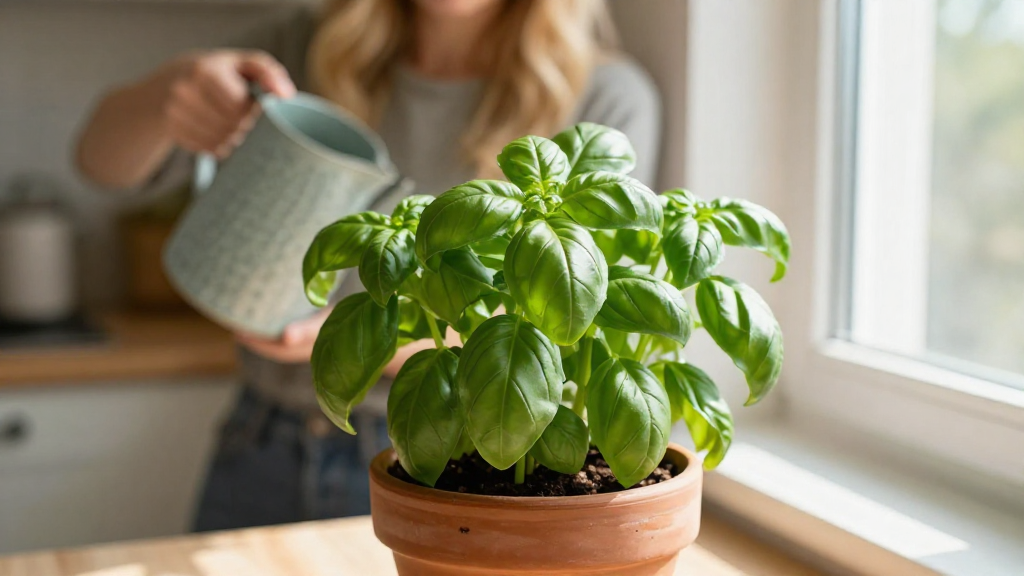
Growing basil at home can be a rewarding experience.
Not only is this aromatic herb a staple in many culinary dishes, but it also thrives in various environments, making it accessible for everyone — even those with limited gardening experience.
In this article, we will guide you step-by-step on how to grow basil successfully at home, ensuring that you can enjoy fresh basil in your meals year-round.
What Do You Need to Grow Basil?
To embark on your basil-growing journey, you’ll need a few essential items:
- Seeds or Starter Plants: You can start from seeds or purchase young basil plants from a nursery.
- Containers or Garden Bed: Choose pots with good drainage or a garden bed with quality soil.
- Potting Mix: Use a well-draining potting mix rich in organic matter.
- Watering Can or Spray Bottle: For gentle watering.
- Sunlight Source: Basil thrives in a bright, sunny location.
By gathering these items, you’re well on your way to learning how to grow basil effectively.
Where is the Best Place to Grow Basil?
Basil prefers a warm environment and grows best in full sunlight.
Here are some ideal locations for your basil:
- Windowsills: South-facing windows provide plenty of sunlight.
- Balconies: A sunny balcony is perfect for growing basil in pots.
- Backyards: If you have garden space, choose an area that receives 6-8 hours of direct sunlight each day.
Make sure to avoid shady spots, as basil requires ample sunlight to thrive.
How Do You Plant Basil Seeds?
Planting basil seeds is a straightforward process. Follow these steps for optimal growth:
- Fill Containers: Start by filling your containers with potting mix, leaving about an inch of space from the top.
- Moisten the Soil: Lightly water the soil to make it damp but not soggy.
- Sow Seeds: Sprinkle seeds over the surface of the soil.
- Cover Seeds: Lightly cover the seeds with a thin layer of soil.
- Water Gently: Use a spray bottle to mist the soil without displacing the seeds.
Be careful not to overwater, as basil is sensitive to sitting water.
What Are the Best Conditions for Growing Basil?
Now that we’ve planted the seeds, let’s discuss how to care for them.
To ensure that your basil grows healthy and robust, consider the following conditions:
- Temperature: Basil thrives at temperatures between 70°F to 90°F (21°C to 32°C).
- Watering: Water basil deeply once a week, allowing the top inch of the soil to dry out between watering.
- Fertilizing: Use a balanced, water-soluble fertilizer every 4-6 weeks to promote growth.
- Humidity: Basil enjoys a humid environment. If your space is dry, consider using a humidity tray or misting the leaves occasionally.
Creating these ideal conditions will enhance your herb’s flavor as well as its growth rate.
When Is the Best Time to Harvest Basil?
Knowing when to harvest basil is crucial for ensuring the best flavor and continued production.
Here’s when and how to harvest basil:
- Timing: Basil can be harvested when the plants are about 6 inches tall and have several leaves.
- How to Harvest:
- Use scissors or garden shears to snip leaves.
- Always trim above a leaf node to encourage further growth.
Regularly harvesting basil will also prevent the plant from bolting (flowering), which can lead to a decline in leaf quality.
How Do You Propagate Basil?
If you want to expand your basil garden, propagating basil is an easy way to do it.
Here’s how to propagate basil from cuttings:
- Select a Sturdy Stem: Choose a healthy stem with at least two sets of leaves.
- Cut the Stem: Cut the stem just below a leaf node.
- Place in Water: Place the cutting in a glass of water, ensuring that the leaf nodes are submerged but the leaves themselves are above water.
- Sunlight: Keep the glass in a sunny spot, refreshing the water every few days.
- Wait for Roots: After about 1-2 weeks, you should see roots emerging.
- Transfer to Soil: Once the roots are a couple of inches long, transfer the cutting into a pot with soil.
This process is a fantastic way to ensure a continuous supply of fresh basil!
Why Is Basil Prone to Pests?
Like other plants, basil can be susceptible to pests.
Here are some common pests and how to deal with them:
- Aphids: Small insects that suck sap from the leaves.
-
Solution: Use insecticidal soap or neem oil to control them.
-
Whiteflies: Tiny, white flying insects that can weaken the plant.
-
Solution: Use sticky traps and insecticidal soap to manage whiteflies.
-
Basil Downy Mildew: This fungal disease appears as yellow spots on leaves.
- Solution: Ensure proper air circulation and avoid overhead watering.
Monitoring your plants regularly will help catch any issues before they escalate.
Why Choose Basil Over Other Herbs?
Basil is not only easy to grow but also offers a multitude of culinary benefits.
Here are a few reasons to favor basil:
- Versatility: Use fresh basil in salads, pasta dishes, sauces, and even cocktails.
- Health Benefits: Basil has anti-inflammatory and antioxidant properties.
- Aromatic Value: It adds a delightful aroma to any dish.
Having fresh basil at home will undoubtedly elevate your cooking experience and result in flavorful meals.
How to Grow Basil with Kids?
Involving kids in gardening can be a fun and educational experience.
Here’s how to encourage children to help grow basil:
- Simple Tasks: Have them help with planting seeds, watering the plants, and harvesting.
- Observation: Encourage them to observe the changes in plants as they grow.
- Cooking: Let them assist in cooking with the fresh basil, allowing them to experience the fruits of their labor.
Teaching children how to grow basil instills a love for gardening and healthy eating.
Conclusion
Growing basil at home is a fulfilling activity that can enhance both your culinary adventures and your gardening skills.
From understanding the best conditions required for growth to harvesting and even propagating, we have covered all the essentials on how to grow basil successfully.
Whether you’re an experienced gardener or a novice, enjoy the delightful aroma and taste of fresh basil in your kitchen.
Start your basil journey today and celebrate the joy of home gardening!