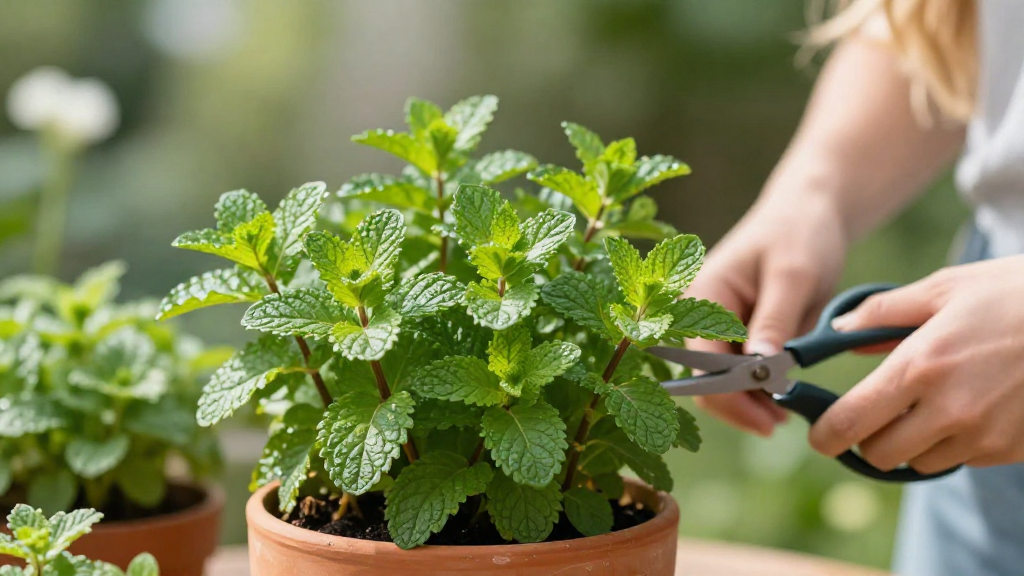
Are you wondering how to grow mint without letting it dominate your garden?
Mint is a delightful herb known for its refreshing aroma and flavor. However, it has a reputation for spreading aggressively if not managed properly. In this article, we’ll explore everything you need to know about cultivating mint without it taking over your space.
What Makes Mint So Invincible?
Before diving into the methods for growing mint, it’s essential to understand why it tends to spread uncontrollably.
Mint belongs to the Lamiaceae family, which includes other vigorous herbs like oregano and thyme.
Here are a few reasons why mint seems unstoppable:
- Rhizomes: Mint plants spread through underground stems called rhizomes, which can generate new shoots and roots, invading nearby soil.
- Fast Growth: Mint is a fast-growing perennial, thriving in various conditions, allowing it to outcompete other plants.
- Minimal Maintenance: Mint doesn’t require much care, making it an attractive choice for many gardeners. However, this can lead to its unchecked proliferation.
Knowing these factors will help you take effective measures to control its growth.
How Can You Control Mint’s Growth?
Learning how to grow mint while keeping it in check is crucial for maintaining a tidy garden. Here are some effective strategies:
1. Container Gardening: Is It the Best Option?
One of the most efficient ways to control mint’s growth is by growing it in containers.
Benefits of container gardening include:
- Limited Space: Containers restrict the spread of mint, preventing it from invading your garden or landscape.
- Mobility: You can easily move pots to ensure they receive the right amount of sunlight or shelter from harsh weather.
- Easier Maintenance: It simplifies watering, feeding, and pest control, allowing for a more manageable growing process.
2. Plant Mint in Raised Beds: How Does This Help?
If you opt for growing mint directly in the ground, consider using raised beds.
This method helps in the following ways:
- Barrier: The sides of the raised bed can act as a barrier against the rhizomes spreading beyond the bed.
- Soil Quality: Raised beds often provide better drainage and soil quality, promoting healthy growth.
- Aesthetics: They can enhance the overall look of your garden space while providing a defined area for mint.
3. What Should You Use to Contain Mint Roots?
If you’re looking to plant mint in your garden, using a physical barrier can help manage its spread.
Consider employing:
- Root Barrier Fabric: A thick landscape fabric can be buried around the mint to limit rhizome expansion.
- Old Buckets or Tubs: Cut the bottoms off and bury them in the ground with the mint plant inside.
- Deep Pots: Use pots at least 12 inches deep to prevent root penetration below the container.
These methods allow for successful growth while keeping mint confined.
What Are the Best Conditions for Growing Mint?
Understanding the ideal environment for mint can enhance your chances of success.
Here are some key elements:
1. Sunlight: How Much Does Mint Need?
Mint thrives in partial shade to full sun, but too much direct sunlight can scorch the leaves.
Aim for a balance of about:
- 4 to 6 hours of sun per day.
- Shade in the afternoon can help prevent wilting in hotter climates.
2. Soil: What Type is Ideal for Mint?
Mint loves rich, well-draining soil.
Follow these guidelines:
- pH Level: Aim for a pH between 6.0 and 7.0.
- Organic Matter: Incorporate compost or well-rotted manure to improve soil fertility.
- Moisture: Ensure the soil is consistently moist but not waterlogged.
3. Water: How Much is Necessary?
Mint prefers consistently moist soil. Here are some tips for watering:
- Frequency: Water your mint about once a week, but check for moisture levels, especially in hot weather.
- Drainage: Ensure pots have drainage holes to prevent root rot.
When is the Best Time to Grow Mint?
Timing is crucial when learning how to grow mint effectively.
The best time to plant mint is:
- Spring or Early Fall: This allows the plant time to establish roots before summer heat or winter cold sets in.
- Staggered Planting: Consider sowing seeds or planting cuttings every few weeks to ensure a continuous supply.
How to Harvest Mint Without Killing the Plant?
Harvesting mint correctly is essential to keeping it healthy. Here are some best practices:
-
Timing: Harvest in the morning when the dew has dried. This ensures the leaves are at their peak flavor.
-
Method:
– Use clean scissors or pruning shears.
– Cut stems about one-third down. This encourages new growth. -
Frequency: Regular harvesting keeps mint lush and prevents flowering, which can turn the leaves bitter.
What Pests and Problems Should You Be Aware Of?
While mint is generally robust, it can encounter issues.
Here are some common pests and problems to monitor:
- Spider Mites: Look for webbing on leaves. Use neem oil or insecticidal soap to control them.
- Aphids: These small insects can cluster on new growth. Utilize a strong stream of water to dislodge them.
- Powdery Mildew: Ensure adequate spacing and airflow around leaves to prevent this fungal disease.
Conclusion: Why Growing Mint Can Be a Delightful Experience
Learning how to grow mint without it taking over is all about strategic planning and management.
By using containers or raised beds, understanding the growing conditions, and practicing careful harvesting, you can cultivate this fragrant herb effectively.
Mint can complement many dishes, teas, and beverages, providing both utility and enjoyment in your home garden.
So go ahead, start your mint-growing journey today, and savor the benefits of this aromatic herb while keeping its growth in check!