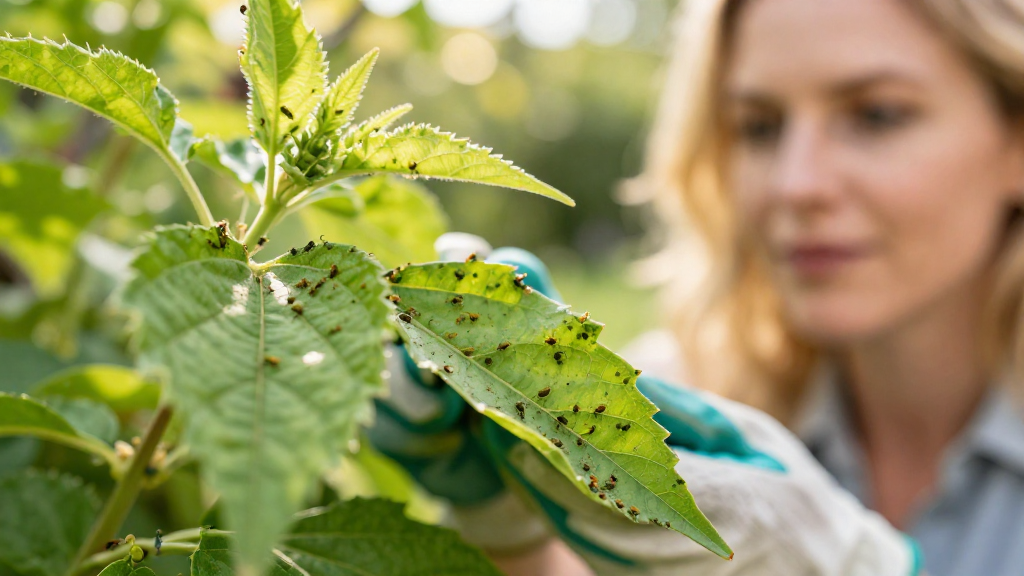
Aphids can wreak havoc on your beautiful plants, leaving you on the lookout for effective solutions.
If you’re wondering how to get rid of aphids, you’re in the right place.
This guide will cover various natural methods to eliminate these pesky pests while ensuring your garden thrives.
What Are Aphids and Why Are They a Problem?
Aphids, also known as plant lice, are small, soft-bodied insects that feed on the sap of plants.
Their presence can lead to:
- Stunted growth: Aphids drain the vital nutrients from your plants.
- Leaf curling: Infestations can cause leaves to curl or yellow.
- Sooty mold: Aphids excrete a sticky substance called honeydew, which can foster mold growth.
Understanding these issues emphasizes the significance of finding effective methods on how to get rid of aphids.
What Are the Best Natural Methods for Dealing with Aphids?
Now that we understand the problem, let’s explore several natural techniques that can help you combat aphids effectively.
1. Introduce Beneficial Insects
One of the most environmentally friendly strategies is to bring in aphid predators.
Ladybugs and lacewings are two insects known for their voracious appetite for aphids.
Here’s how to attract them to your garden:
- Plant nectar-rich flowers: Flowers like marigolds and dill attract beneficial insects.
- Avoid pesticides: Chemical treatments can kill the predator insects you need.
2. Use Homemade Insecticidal Soap
You can create your insecticidal soap using natural ingredients readily available in your home.
Here’s a simple recipe:
- Ingredients:
- 1 tablespoon of liquid soap (not detergent)
- 1 quart of water
- Instructions:
1. Mix soap and water in a spray bottle.
2. Spray directly on the affected areas of your plants.
This method suffocates aphids and is safe for most plants. Remember to test it on a small area first.
3. Employ Neem Oil
Neem oil, derived from the seeds of the neem tree, is a powerful tool in your quest on how to get rid of aphids.
It disrupts the feeding and reproductive cycles of aphids.
Follow these steps to use neem oil:
- Ingredients:
- 2 tablespoons of neem oil
- 1 gallon of water
- A few drops of liquid soap
- Instructions:
1. Mix oil, water, and soap.
2. Spray it on the infested areas every 7 to 14 days until the aphids are gone.
4. Try Garlic or Hot Pepper Spray
Both garlic and hot peppers have strong scents and tastes that deter aphids.
Here’s how to make your own spray:
- Ingredients:
- 1 clove of garlic (or 1 tablespoon of garlic powder)
- 1 tablespoon of hot pepper flakes or sauce
- 1 quart of water
- Instructions:
1. Blend garlic and hot pepper with water.
2. Let it steep for several hours or overnight, then strain it.
3. Pour it into a spray bottle and apply it to affected plants.
5. Utilize Essential Oils
Essential oils such as peppermint or lavender can repel aphids due to their strong scents.
This method is quite simple:
- Ingredients:
- 5-10 drops of essential oil
- 1 tablespoon of liquid soap
- 1 quart of water
- Instructions:
1. Combine all ingredients in a spray bottle and shake well.
2. Spray it on plants, especially the undersides of leaves.
6. Encourage Natural Predators in Your Garden
In addition to attracting ladybugs, several other natural predators can help keep aphid populations under control:
- Parasitic Wasps: These wasps lay their eggs inside aphids, eventually killing them.
- Hoverflies: Their larvae consume aphids.
You can create a welcoming environment by planting:
- Coriander
- Fennel
- Dill
These plants attract these beneficial insects that will naturally eliminate aphids in your garden.
7. Create a Homemade Citrus Spray
Many pests, including aphids, dislike the scent of citrus, making a citrus spray an effective deterrent.
- Ingredients:
- Peels from 2 oranges or lemons
- 1 quart of water
- Instructions:
1. Soak the peels in water overnight.
2. Strain and spray the water on the infested plants.
8. Physical Removal
Sometimes, the most straightforward solution is the most effective.
You can simply wash the aphids off your plants using:
- A strong stream of water from a hose
- A damp cloth to wipe leaves
This can be especially effective for small infestations and helps keep your plants clean.
How Can You Prevent Aphid Infestation in the Future?
Once you’ve dealt with your current aphid problem, it’s crucial to look at prevention.
Here are some effective strategies:
- Regular inspection: Frequently check your plants, especially the undersides of leaves.
- Maintain plant health: Healthy plants are less susceptible to aphid infestations. Provide proper watering, sunlight, and nutrition.
- Companion planting: Grow plants that aphids dislike, like garlic or chives, alongside plants that attract them.
Are Chemical Solutions Necessary?
While many people gravitate toward chemical insecticides for immediate results, these products can harm beneficial insects and lead to long-term environmental damage.
By focusing on how to get rid of aphids naturally, you can maintain a healthy garden ecosystem.
Conclusion: Natural Solutions for a Healthy Garden
Knowing how to get rid of aphids naturally not only helps you protect your plants but also promotes a balanced ecosystem.
By implementing these methods, you can ensure that your garden remains a vibrant, pest-free sanctuary.
Whether it’s through introducing beneficial insects, making homemade sprays, or practicing prevention, you now have a comprehensive approach to tackle aphid infestations.
Say goodbye to aphids and hello to healthy, flourishing plants!