When it comes to maintaining a healthy garden, knowing how to identify garden pests quickly can save you a lot of trouble.
What Are Garden Pests and Why Should You Identify Them?
Garden pests are organisms that cause harm to your plants.
They can be insects, fungi, weeds, or even animals that feast on your carefully nurtured garden.
Being able to identify garden pests promptly can help you take immediate action to protect your plants.
Understanding the type of pest you are dealing with is crucial because not all pests are harmful.
Some may even help with pollination or controlling other pests.
So, how do you differentiate the beneficials from the bad?
How to Identify Garden Pests by Appearance?
One of the easiest ways to identify garden pests is by carefully observing their appearance.
Here are some notable features to look for:
- Body Shape: Look at the shape of the pest.
- Aphids are small and round.
- Caterpillars have longer, segmented bodies.
- Color: Many pests come in distinct colors.
- Spider mites may appear red or green.
- Whiteflies can be easily identified by their white color.
- Size: Size can vary widely.
- Thrips are tiny, about 1-2 mm long.
- Beetles can be much larger, usually ranging from 3 mm to 2 cm.
When you spot a pest, try to capture a photo or note down its size, shape, and color to make identification easier.
Where Do I Look for Garden Pests?
Understanding where to look for pests is just as important as knowing how to identify garden pests.
Check Below the Leaves
Many pests, like aphids and spider mites, hide on the underside of leaves.
It’s essential to check there as they often remain out of sight.
Inspect Stems and Branches
Pests often congregate on plant stems and branches.
Look for signs of damage, such as discolored spots or a sticky residue known as honeydew, produced by aphids.
Examine the Soil
Sometimes pests lay eggs in the soil.
Grubs, for example, can be found beneath the surface, munching away at roots.
Digging up a small section of soil can help you find these hidden troubles.
How Do I Recognize Damage Caused by Garden Pests?
Another key aspect of how to identify garden pests involves recognizing the damage they leave behind.
Wilting and Yellowing Leaves
If the leaves of your plants are wilting or turning yellow, it could signal the presence of pests like aphids or leafhoppers.
Holes or Chewing Marks
Look for irregular holes or chewing marks on leaves.
Caterpillars and beetles are notorious for this type of damage.
Sticky Residue
As mentioned earlier, honeydew can be a clear indication of aphid infestation.
This sticky substance often encourages the growth of sooty mold, which can also adversely affect plant health.
Are There Specific Tools to Identify Garden Pests?
Yes! There are several tools and resources that can help you effectively identify garden pests.
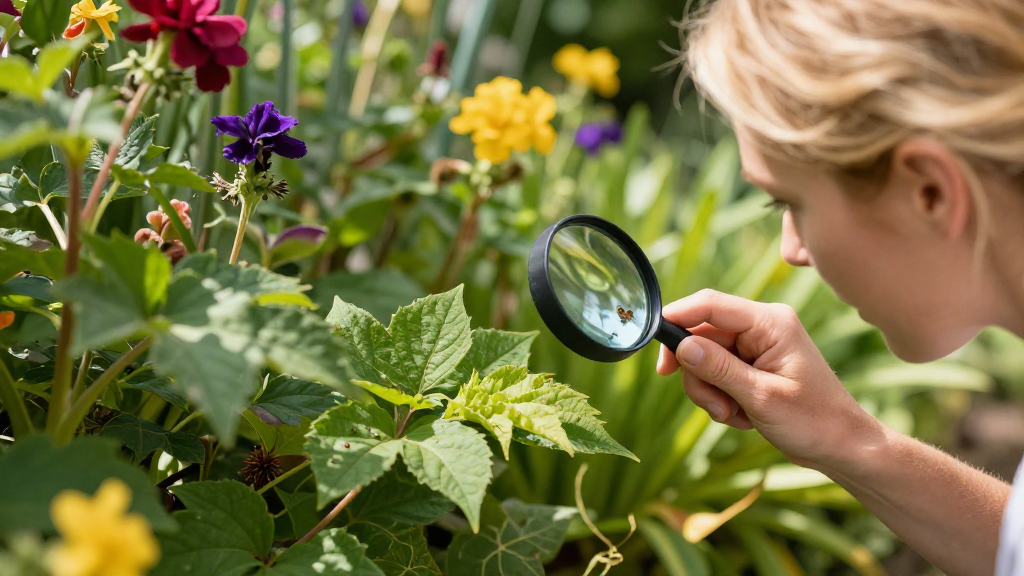
Hand Lens or Magnifying Glass
Using a hand lens allows you to observe the details of pests up close.
This is particularly useful for tiny insects such as aphids and spider mites.
Field Guides and Online Resources
Many field guides provide images and descriptions of common garden pests.
Websites and apps such as iNaturalist or PlantSnap can also help you identify your pests with just a photo upload.
Pest Identification Apps
With technology at your fingertips, pest identification apps can provide instant help.
You simply take a picture of the pest, and the app offers possible matches.
This can significantly speed up how to identify garden pests.
What Are Effective Remedies Once I Identify Garden Pests?
Once you’ve successfully identified your garden pests, it’s time to take action!
Remember, the method you choose will depend on the type of pest.
Natural Remedies
- Beneficial Insects: Introduce ladybugs and lacewings, which prey on aphids.
- Neem Oil: This natural insecticide disrupts the life cycle of many pests.
- Diatomaceous Earth: Use this natural powder to kill soft-bodied insects by causing them to dehydrate.
Chemical Solutions
If natural remedies do not work, and the infestation is severe, you may want to consider chemical solutions.
However, always opt for products labeled as organic or safe for garden use.
- Insecticidal Soap: Effective against soft-bodied insects.
- Pyrethroid Insecticides: Can be used as a last resort against tougher pests.
Cultural Practices
Implementing good cultural practices can reduce pest occurrences:
- Crop Rotation: Changing the location of your plants each year can disrupt pest life cycles.
- Companion Planting: Some plants can naturally deter certain pests. For example, planting marigolds can repel nematodes.
How Can I Prevent Future Pest Infestations?
Knowing how to identify garden pests is critical, but prevention is just as vital to keeping your garden healthy.
Healthy Soil
Start with nutrient-rich, well-draining soil, as healthy plants are less susceptible to pests.
Regularly amend your garden with compost.
Proper Watering Techniques
Overwatering or underwatering can weaken plants, making them more inviting to pests.
Use drip irrigation for balanced moisture levels.
Cleanliness
Keep your gardening area tidy by removing dead plants and debris, which can harbor pests.
Conclusion: Be Proactive in Your Garden
Knowing how to identify garden pests quickly is a vital skill that all gardeners should develop.
From observing physical characteristics to recognizing the damage they inflict, being able to swiftly identify pests will make it easier for you to deal with them effectively.
Adopting proactive measures can save you from extensive damage in the long run.
By observing your garden regularly, using essential tools, and knowing your options for dealing with pests, you can cultivate a thriving and healthy garden that you can be proud of!
Remember, garden health begins with pest identification and management.