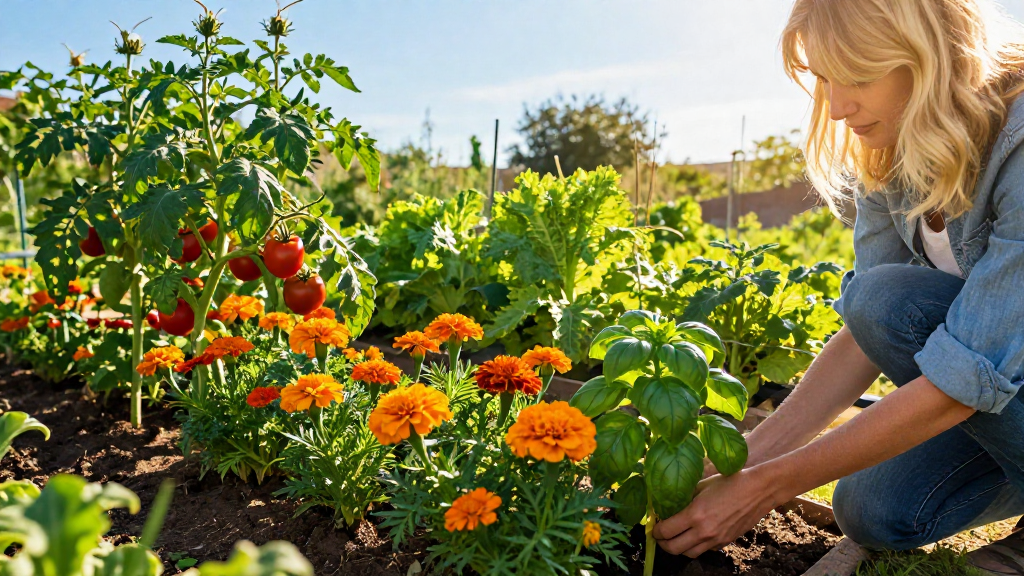
If you want to enhance the productivity of your garden, understanding how to use companion planting can be a game-changer.
What is Companion Planting?
Companion planting is a gardening technique where different plant species are grown together to benefit one another.
This method leverages the natural interactions between plants to improve yields, deter pests, and enhance the nutritional quality of the soil.
Why Should You Use Companion Planting?
The advantages of companion planting are numerous:
- Pest Control: Some plants repel harmful insects.
- Nutrient Sharing: Certain plants can enhance nutrient availability for their companions.
- Growth Stimulation: Companion plants can create favorable microclimates for growth.
- Pollination: Mixed planting can attract beneficial pollinators.
- Soil Improvement: Some plants can improve soil structure and fertility.
Understanding how to use companion planting effectively can transform your garden into a thriving ecosystem.
Which Plants Work Well Together?
Identifying the right companion plants is crucial for maximizing yields.
Here are some examples of beneficial pairings:
-
Tomatoes and Basil: Basil repels pests like aphids and whiteflies. It also enhances the flavor of tomatoes.
-
Carrots and Onions: Onions deter carrot flies, while carrots can help with pest attraction for onions.
-
Corn, Beans, and Squash (The Three Sisters): Corn provides a structure for beans to climb, beans enrich the soil with nitrogen, and squash shades the ground to suppress weeds.
-
Marigolds with Almost Any Vegetable: Marigolds can deter a variety of pests, including nematodes.
-
Peas and Oregano: Oregano repels aphids, keeping peas healthy.
These combinations are just a glimpse into how to use companion planting to maximize your garden yields.
How Do You Plan Your Companion Planting?
Strategically planning your garden layout is key to successful companion planting.
Consider the following steps:
-
Research Plant Compatibility: Not all plants coexist well.
– Avoid planting cabbage with strawberries or potatoes with tomatoes as they compete for nutrients. -
Create Visual Layouts: Use garden planning software or simple sketches to visualize where each plant will go. This visualization can help you see how plants interact.
-
Rotate Crops: Each growing season, reconsider your garden layout to avoid soil depletion and pest buildup.
-
Consider Planting Times: Some plants grow better together during specific seasons. Follow planting calendars to maximize growth.
By carefully planning how to use companion planting, gardeners can ensure that plants thrive together.
What Are Some Tips for Successful Companion Planting?
Here are several practical tips to enhance the impact of companion planting on your garden yields:
-
Start Small: If you’re new to companion planting, begin with a small section of your garden. Gradually add more as you become comfortable.
-
Use Companion Planting Recipes: Many experienced gardeners compile planting recipes that work well together—exploit these tried and true combinations.
-
Monitor Plant Health: Be vigilant about checking the health of your plants. Adjust your planting if you observe signs of stress or pest issues.
-
Utilize Companion Plants in Intermediate Zones: Use taller plants to provide shade for those that prefer cooler conditions.
-
Maintain Soil Health: Use organic compost to ensure that all plants are receiving adequate nutrients—healthy soil promotes healthy companions.
Knowing how to use companion planting effectively will result in a more dynamic garden.
How Can You Use Companion Planting for Pest Control?
One significant benefit of how to use companion planting is integrated pest management.
Here are some plants that can help:
-
Nasturtiums: These vibrant flowers attract aphids, keeping them away from other plants.
-
Garlic: Its strong scent can repel many pests, making it an excellent companion for soft-bodied insects.
-
Borage: This herb attracts beneficial insects like bees and also deters pests such as hornworms.
-
Rosemary: This aromatic herb wards off a variety of insect pests, making it a great companion for broccoli and cabbage.
By strategically planting these pest-repelling companions, you can reduce the need for chemical pesticides.
What Impact Can Companion Planting Have on Soil Health?
Companion planting can significantly benefit soil health through complementary relationships among plants.
Here’s how:
-
Nitrogen Fixation: Leguminous plants like beans enrich the soil by fixing nitrogen, which is essential for plant growth.
-
Mycorrhizal Networks: Certain plants can enhance soil microbial networks, allowing for better nutrient absorption.
-
Soil Structure: Deep-rooted plants can break up compacted soil, making it more aerated and easier for other plants to grow.
-
Organic Matter: Plant residues from companions can decompose and add organic matter to the soil, improving its structure and fertility.
Using how to use companion planting to focus on soil health will already set you miles ahead in gardening success.
How Can Companion Planting Enhance Yields?
A well-planned companion garden can deliver impressive results by improving plant health and yields.
Consider these benefits:
-
Reduced Competition: By pairing plants wisely, you naturally reduce competition for resources.
-
Increased Pollinator Attraction: Companion flowers attract pollinators, which are crucial for fruit and seed production.
-
Extended Growing Season: Diverse plantings can create microclimates, allowing for longer growth periods.
-
Less Resource Waste: Sharper resource management leads to optimal use of water and nutrients, adding to yields.
By learning and applying how to use companion planting, the potential for enhanced yields is significant.
Conclusion: Can You Enhance Your Gardening Experience?
In conclusion, how to use companion planting is a powerful strategy that can significantly boost yields in any garden.
By understanding plant interactions and wisely selecting companion pairings, you can achieve:
- Higher productivity
- Healthier plants
- Sustainable gardening practices
Whether you’re a beginner or an experienced gardener, incorporating companion planting into your gardening routine can transform your approach and lead to more fruitful harvests.
Get started today, and watch your garden flourish like never before!