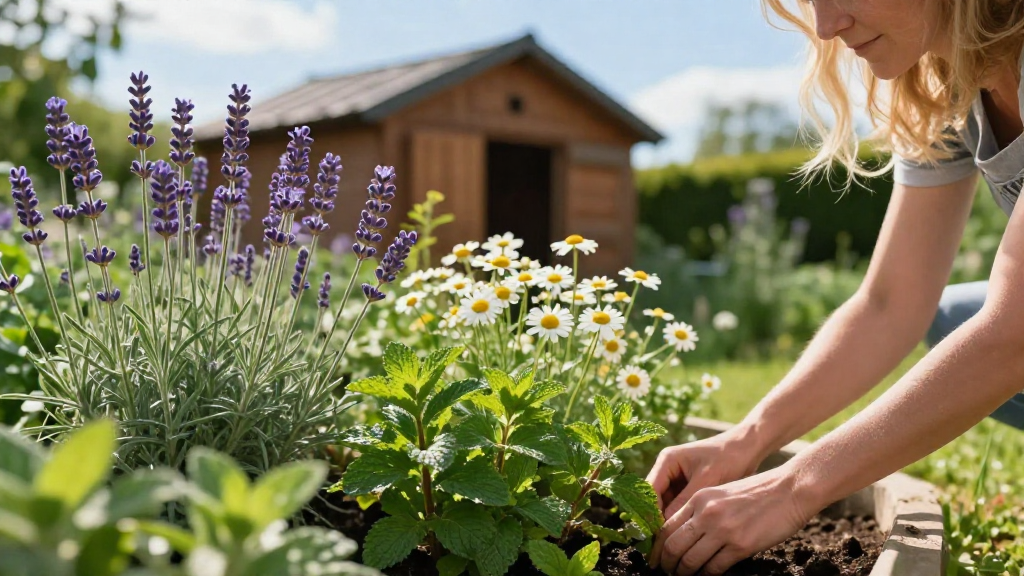
Are you interested in how to grow a medicinal herb garden at home? If so, you’re in the right place! This guide will provide you with all the necessary steps to create your very own herbal sanctuary, rich with plants that offer both culinary and medicinal benefits.
Why Should You Grow a Medicinal Herb Garden at Home?
Growing a medicinal herb garden at home provides numerous advantages:
- Accessibility: You can easily harvest herbs for cooking or health remedies whenever you need them.
- Cost-Effective: Cultivating your own medicinal herbs can save you money compared to purchasing dried herbs or supplements.
- Freshness: Homegrown herbs are fresher and more potent than store-bought options.
- Pesticide-Free: When you grow your own herbs, you control what goes into your garden, allowing for organic practices.
- Therapeutic Hobby: Gardening offers mental health benefits and a satisfying sense of accomplishment.
What Do You Need to Grow a Medicinal Herb Garden?
To start your journey on how to grow a medicinal herb garden, consider the following essentials:
-
Location
– Sunlight: Most herbs require at least 6-8 hours of sunlight daily. Choose a sunny spot in your garden or balcony.
– Accessibility: Make sure the location is easily accessible for watering and harvesting. -
Soil
– Well-Drained: Herbs tend to thrive in well-drained soil.
– Nutrient-Rich: Use quality soil rich in organic matter. -
Containers or Garden Bed
– Raised Beds: Ideal for larger gardens or unused yard space.
– Pots/Containers: Perfect for small spaces or indoor herb gardens. -
Seeds/Plants
– Choose Wisely: Some popular medicinal herbs include:- Mint: Great for digestion.
- Basil: Anti-inflammatory properties.
- Chamomile: Known for its calming effects.
- Echinacea: Offers immune support.
- Lavender: Good for relaxation and sleep.
-
Watering Can & Tools
– Have a watering can, and basic gardening tools like a trowel and shears.
How to Create Your Medicinal Herb Garden?
Creating a medicinal herb garden at home is easier than you think!
Step 1: Plan Your Garden Layout
Before you dive in, map out your garden layout. Consider:
- Spacing: Make sure to space your plants adequately to allow for growth.
- Companion Planting: Some herbs grow better together. For example, rosemary can help keep pests away from basil.
Step 2: Prepare the Soil
Whether you’re using a garden bed or containers, preparation is key.
- Test the Soil: Check pH levels; most herbs prefer slightly acidic to neutral soil (pH 6.0 to 7.0).
- Enrich the Soil: Mix in compost or organic fertilizers to ensure nutrient availability.
Step 3: Plant Your Herbs
Now that you’ve prepared your garden, it’s time to plant!
-
Sow Seeds or Transplant: If you’re starting from seeds, follow packet instructions for planting depth. If you’re transplanting small plants, gently remove them from their pots and plant them at the same depth as they were in their original containers.
-
Watering: Water them immediately after planting, keeping the soil moist but not soggy.
Step 4: Care for Your Medicinal Herb Garden
Proper care ensures successful growth.
- Watering: Most herbs prefer consistent moisture. Water them regularly, especially in dry periods.
- Mulching: Applying mulch helps retain moisture and prevent weeds.
- Pruning: Regularly trim your herbs to encourage bushier growth. This also anoints you with fresh herbs for use.
Step 5: Harvest Your Herbs
When can you start harvesting?
- Timing: Most herbs can be started after several weeks, depending on the type.
- Method: Use sharp scissors or garden shears to cut stems above a leaf node. This will promote further growth.
What Are the Best Medicinal Herbs to Grow?
If you’re wondering what specific herbs to include, here are some of the best choices:
- Peppermint: Great for soothing digestive issues.
- Thyme: Known for its antiseptic properties.
- Ginger: A well-known remedy for nausea and digestive disorders.
- Sage: Helpful for sore throats and inflammation.
- Rosemary: Known for its memory-enhancing and circulation-boosting properties.
How Can You Use Your Medicinal Herbs?
Once you’ve learned how to grow a medicinal herb garden, you can start exploring ways to utilize your homegrown treasures.
- Teas: Steep fresh herbs to create soothing teas.
- Tinctures: Craft tinctures using alcohol to extract medicinal properties.
- Compresses: Use herb-infused oils or teas in warm compresses for soothing ailments.
- Culinary Uses: Incorporate into dishes for tasty, health-boosting flavors.
Troubleshooting Common Issues
If you run into problems while learning how to grow a medicinal herb garden, here are some common issues and solutions:
- Pests: Use insecticidal soap or introduce beneficial insects like ladybugs.
- Dried Out Leaves: This may result from underwatering. Ensure consistent moisture.
- Fungal Diseases: Ensure proper spacing for airflow and avoid overhead watering.
Conclusion
Now that you’re equipped with knowledge on how to grow a medicinal herb garden, it’s time to get started!
Not only will you enjoy fresh, organic herbs, but you’ll also reap the benefits of gardening as a rewarding hobby.
Whether you have a large backyard or a small balcony, growing your own medicinal herb garden can be a fulfilling and beneficial endeavor. Happy gardening!