The right pressure tank helps a well system deliver steadier water pressure while reducing how often the pump starts and stops. That can improve comfort, efficiency, and pump longevity.
We compared 10 bladder water pressure tanks across capacities, orientations, fittings, materials, and installation requirements to help you choose a practical match for your home or water system.
Best 10 Bladder Water Pressure Tanks Picks for 2026
Reliable Residential Pick
Amtrol WX-202 Well Pressure Tank
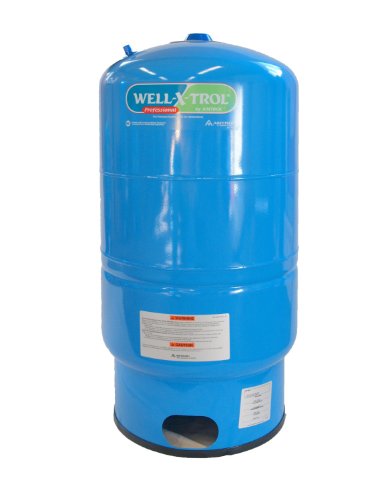
- 20-gallon residential well tank
- High-strength steel shell and polypropylene liner
- Seven-year manufacturer warranty
Best For: Residential water systems needing a durable 20-gallon tank
NSF-Certified Value
WaterWorker 20-Gallon Vertical Well Tank
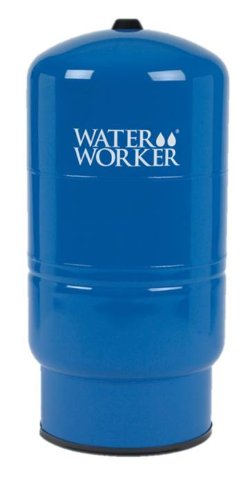
- 20-gallon vertical design
- ANSI/NSF Standard 61 listed
- Seamless butyl diaphragm and five-year warranty
Best For: Residential systems prioritizing NSF-listed materials
Mid-Size Storage Option

- 32-gallon water storage capacity
- Steel construction with blue finish
- 1-inch FNPT connection
Best For: Systems needing more capacity than a 20-gallon tank
Large-Capacity System Choice
Reliance 52-Gallon Vertical Steel Tank

- 52-gallon vertical pressure tank
- Free-standing powder-coated steel construction
- 1-1/4-inch pipe for larger systems
Best For: Large household, irrigation, or commercial well systems
Best Overall
WaterWorker HT-14HB Horizontal Well Tank

- 14-gallon horizontal design with 1-inch MNPT connection
- NSF-listed materials for potable-water use
- Butyl diaphragm and durable steel shell
Best For: Home well systems needing a compact horizontal pressure tank
Best Large-Capacity Horizontal Option
Reliance 20-Gallon Pressure Tank

- 20-gallon capacity for larger system needs
- Designed for most sump pump systems
- Powder-coated steel construction
Best For: Sump pump systems requiring a horizontal tank with added capacity
Best High-Pressure Vertical Pick

- 145 PSI-rated steel shell for well systems
- Food-safe liner and 1-inch stainless steel port
- Includes a 3-year warranty
Best For: Domestic well-water systems needing a high-pressure vertical tank
Best NSF-Listed Pick
WaterWorker HT-30B 30-Gallon Well Tank

- 26-gallon capacity in a vertical 30-gallon-class tank
- NSF/ANSI 61 listed with a polypropylene water liner
- 5-year warranty and flexible butyl diaphragm
Best For: Home well systems prioritizing listed water-contact materials and capacity
Best Budget Utility Tank
VEVOR 20-Gallon Vertical Well Pressure Tank

- 20-gallon capacity helps reduce pump cycling
- Carbon-steel shell rated up to 6 BAR internal pressure
- Not intended for drinking water and requires a relief valve
Best For: Non-potable household, farm, school, and irrigation systems
Best Drinking-Water-Compatible Option

- Food-safe polypropylene liner for drinking water
- Supports 20/40, 30/50, and 40/60 PSI settings
- Stainless-steel port and 3-year warranty
Best For: Well systems needing a drinking-water liner and flexible pressure compatibility
Reliable Residential Pick – Amtrol WX-202 Well Pressure Tank
For homeowners comparing bladder water pressure tanks, the Amtrol WX-202 is a residential-focused 20-gallon option with a high-strength steel shell and polypropylene water liner. Its diaphragm and liner are secured by a positive hoop ring seal, and it includes a seven-year manufacturer warranty.
Best For: Residential water systems needing a durable 20-gallon well tank.
Pros:
- High-strength steel shell
- Polypropylene liner resists cracking, chipping, flaking, and peeling
- Positive hoop ring seal supports diaphragm and liner reliability
- Seven-year manufacturer warranty
Cons:
- 20-gallon capacity may be limited for higher-demand systems
- Its 23-pound weight and 31-inch height require suitable installation space
The WX-202 stands out for its stated construction details and longer warranty, making it a practical choice when residential durability is a priority.
NSF-Certified Value – WaterWorker 20-Gallon Vertical Well Tank
The WaterWorker 25009 is a 20-gallon vertical tank for shoppers seeking bladder water pressure tanks with listed ANSI/NSF Standard 61 compliance. Its seamless butyl diaphragm, polypropylene liner, and domed steel shell are designed to isolate stored water from the shell.
Best For: Residential well systems where NSF listing and a five-year warranty are important.
Pros:
- Listed under ANSI/NSF Standard 61
- Seamless butyl diaphragm is designed to flex rather than stretch and crease
- Polypropylene liner does not impart taste or odor to water
- Five-year manufacturer warranty
Cons:
- 20-gallon capacity is smaller than larger tank options
- Pre-charge is 25 psi and should be adjusted according to the product manual
With its water-contact materials, NSF listing, and protective enamel finish, this tank offers a balanced specification set for standard residential well applications.
Mid-Size Storage Option – Water Worker HT-32B Well Tank
The Water Worker HT-32B provides 32 gallons of capacity for buyers comparing bladder water pressure tanks and larger storage options. Its supplied specifications identify a steel construction, blue finish, air-pressure power source, and 1-inch FNPT connection.
Best For: Systems that need more capacity than a 20-gallon tank and use a 1-inch FNPT connection.
Pros:
- 32-gallon capacity
- Steel construction
- 1-inch FNPT connection
- Designed for storing water
Cons:
- The supplied notes provide limited information about diaphragm and liner construction
- Connection compatibility should be confirmed before purchase
This model is a straightforward mid-size option, but buyers should verify installation dimensions and connection requirements because the supplied specifications are limited.
Large-Capacity System Choice – Reliance 52-Gallon Vertical Steel Tank
For larger household or irrigation demands, the Reliance 52-gallon tank offers substantial capacity among bladder water pressure tanks. This free-standing vertical steel model has a powder-coated blue finish and a 1-1/4-inch pipe, with features intended to support steady flow and reduce well-pump cycling.
Best For: Residential or commercial well systems requiring a large-capacity, free-standing pressure tank.
Pros:
- 52-gallon capacity
- Vertical, free-standing steel design
- Powder-coated finish
- 1-1/4-inch pipe and broad well-system compatibility claims
Cons:
- Its larger capacity may require more installation space
- The supplied notes do not specify a warranty or detailed diaphragm construction
- Pipe size should be matched to the existing system
The Reliance is the capacity leader in this group and suits installations where water storage and reduced pump cycling matter more than compact size.
Best Overall – WaterWorker HT-14HB Horizontal Well Tank
The WaterWorker HT-14HB is a practical horizontal option for bladder water pressure tanks in well-water systems. Its 14-gallon capacity, pre-charge, and 1-inch connection make it a straightforward choice when you need a compact tank designed to support stable water pressure.
Best For: Home well systems needing a durable horizontal pressure tank with drinking-water-rated components.
Pros:
- 14-gallon horizontal design with a 1-inch MNPT connection.
- NSF-listed under ANSI/NSF Standard 61 for potable-water applications.
- Butyl diaphragm and polypropylene liner isolate water from the steel shell.
- Deep-drawn steel shell and high-gloss enamel finish provide added durability.
Cons:
- The tank is pre-charged to 25 PSI, but the manual should be consulted for the correct setting.
- Its horizontal configuration may not suit installations designed for vertical tanks.
Choose this model when you value established well-system construction and a horizontal form factor. Confirm the installation space, connection requirements, and pressure-switch settings before purchasing.
Best Large-Capacity Horizontal Option – Reliance 20-Gallon Pressure Tank
The Reliance 20-gallon horizontal tank is designed for sump pump systems and provides more capacity than the smaller models in this roundup. Its steel construction and powder-coated finish make it a practical bladder water pressure tanks option for residential or commercial setups where horizontal installation is required.
Best For: Sump pump systems needing a 20-gallon horizontal tank with a corrosion-resistant finish.
Pros:
- 20-gallon capacity supports larger water-management requirements.
- Designed to fit most sump pump systems for broad compatibility.
- Powder-coated finish helps resist corrosion.
- Low-maintenance design is intended for consistent operation.
Cons:
- The supplied information does not specify a pressure rating or connection size.
- Its 27.13-inch length and horizontal layout require adequate installation space.
This is the capacity-focused choice for buyers pairing a horizontal tank with a sump pump system. Verify the tank’s fittings and system-pressure requirements before installation, especially if replacing an existing well-system tank.
Best High-Pressure Vertical Pick – 14-Gallon Well Bladder Tank
This 14-gallon vertical bladder tank is built for home well systems and domestic water supply. With a 145 PSI rating, food-safe liner, stainless steel port, and guidance to inflate it after delivery, it offers a feature-rich option for buyers comparing bladder water pressure tanks for reliable household water pressure.
Best For: Domestic well-water systems needing a high-pressure vertical tank with potable-water components.
Pros:
- 145 PSI-rated carbon-steel shell with a powder-coated finish.
- Food-safe polypropylene liner keeps water separated from the metal tank.
- 304 stainless steel 1-inch FNPT port is rated to 218 PSI.
- Helps reduce pump cycling and maintain steadier water pressure.
Cons:
- The tank ships unpressurized and must be inflated after receipt.
- Its vertical 24.5-inch height requires suitable floor and overhead clearance.
- The supplied information does not identify NSF certification.
This model stands out when pressure capacity and a stainless connection are priorities. Follow the manufacturer’s inflation guidance—approximately 2 PSI below the pressure-switch setting—and confirm that the vertical dimensions fit your installation.
Best NSF-Listed Pick – WaterWorker HT-30B 30-Gallon Well Tank
WaterWorker HT-30B Vertical Pressure Well Tank, 30-gallon tank with 26-gallon capacity, Blue
Check Price On AmazonFor homeowners comparing bladder water pressure tanks, the WaterWorker HT-30B stands out as a 30-gallon-class vertical tank with a 26-gallon capacity and features aimed at dependable household well-water service. Its diaphragm and polypropylene liner keep stored water separated from the steel shell.
Best For: Home well systems where NSF/ANSI 61 listing, a larger capacity, and a manufacturer-backed warranty matter.
Pros:
- Listed under NSF/ANSI Standard 61 for applicable water-contact requirements.
- Seamless butyl diaphragm is designed to flex rather than stretch and crease.
- Polypropylene liner helps prevent flaking, chipping, cracking, peeling, taste, and odor transfer.
- Backed by a 5-year warranty and protected by a high-gloss enamel finish.
Cons:
- Its 41-pound weight and 39-inch height may require more installation space and handling.
- The tank is pre-charged to 25 PSI, so the setting should be checked against the product manual and system requirements.
The HT-30B is a strong choice when water-contact materials and established specifications take priority over the lightest, most compact design.
Best Budget Utility Tank – VEVOR 20-Gallon Vertical Well Pressure Tank
The VEVOR 20-gallon tank is a utility-focused option among bladder water pressure tanks, designed to reduce pump start-stop frequency and smooth water flow. It uses a carbon-steel shell, a 1-inch NPT connector, and a factory pre-charge for general water-supply applications.
Best For: Household, school, farm, and irrigation systems that need a compact vertical pressure tank for non-drinking-water use.
Pros:
- 20-gallon capacity supports daily water demand while helping reduce pump cycling.
- Thickened 1.2 mm carbon-steel construction is rated for up to 6 BAR internal pressure.
- Pre-charged to 2 BAR/29 PSI for a simpler initial setup.
- 1-inch NPT connector is designed for a secure pipe and fitting connection.
Cons:
- Not suitable for drinking water.
- It is not frost-proof, which limits placement in freezing conditions.
- A proper relief valve is required but is not included.
This VEVOR model makes sense for practical non-potable installations, provided its pressure limits, relief-valve requirement, and freeze protection are addressed during setup.
Best Drinking-Water-Compatible Option – 20-Gallon Steel Bladder Tank
This 20-gallon vertical tank is a versatile choice among bladder water pressure tanks, combining a steel shell, diaphragm, drinking-water liner, and stainless-steel connection port. It supports common 20/40, 30/50, and 40/60 PSI well-system settings while helping reduce pump cycling.
Best For: Home, cabin, farm, and irrigation well systems that need a drinking-water-compatible liner and a broad pressure-switch range.
Pros:
- Food-safe polypropylene liner keeps water separated from the metal shell.
- Compatible with common 20/40, 30/50, and 40/60 PSI pressure-switch settings.
- 1-inch 304 stainless-steel FNPT port is rated to 218 PSI.
- Powder-coated 1/16-inch carbon-steel shell is rated to 145 PSI and includes a 3-year warranty.
Cons:
- The tank ships unpressurized, so it must be inflated after delivery.
- Initial inflation should be set about 2 PSI below the pressure-switch setting, requiring setup checks.
- The supplied notes do not specify a factory pre-charge.
With its drinking-water liner, corrosion-resistant port, and compatibility with several common switch settings, this model is a flexible fit for users willing to complete the initial pressure adjustment.
How We Picked the Best Bladder Water Pressure Tanks
We selected tanks that represent common residential well-system needs, from compact horizontal models to larger vertical tanks. Our comparison focuses on usable capacity, pressure ratings, connection sizes, construction, installation format, and compatibility with typical well pumps. We also considered whether each tank is pre-charged and whether its dimensions may simplify or complicate replacement work.
Because a pressure tank must match the rest of the system, specifications matter more than appearance or advertised gallons alone. Always verify the manufacturer’s requirements and local plumbing codes before installation.
Quick Comparison
| What to Compare | Why It Matters |
|---|---|
| Tank capacity | Larger tanks generally provide more drawdown and reduce pump cycling. |
| Orientation | Vertical and horizontal designs suit different spaces and plumbing layouts. |
| Connection size | The inlet must match your existing piping or approved fittings. |
| Pressure rating | The tank must safely support your well pump’s cut-in and cut-out settings. |
| Construction | Steel shells and protective finishes can support long-term residential use. |
Key Buying Factors for Bladder Water Pressure Tanks
Capacity and Drawdown
Nominal tank size is not the same as usable water storage. Drawdown depends on pressure-switch settings and pre-charge. A larger tank is often preferable for homes with higher demand or pumps that cycle frequently, while a compact model may be suitable for a smaller household or limited installation area.
Vertical Versus Horizontal Installation
Measure the available floor space, ceiling clearance, and pipe direction before ordering. Vertical tanks usually use less floor area, whereas horizontal tanks can fit beneath equipment or in low-clearance spaces. Confirm whether the chosen model requires a separate support or mounting arrangement.
Fittings, Pressure, and Compatibility
Check the tank’s connection type and size, including FNPT or MNPT specifications. Compare the rated pressure with your system’s operating range, and verify the correct air pre-charge using the manufacturer’s instructions. Incorrect settings can cause poor pressure performance or excessive cycling.
Materials and Maintenance
Powder-coated steel shells are common for residential applications. Look for a replaceable or durable bladder or diaphragm, corrosion protection, and accessible service connections. Inspect pressure and system behavior periodically, and address waterlogging, rapid cycling, or pressure fluctuations promptly.
Who Should Buy Which Bladder Water Pressure Tanks?
Choose a compact horizontal tank when space is limited or the tank needs to fit beneath existing equipment. These models can be convenient replacements where a vertical installation is impractical.
Choose a mid-size vertical tank for a typical household seeking a balanced combination of footprint, drawdown, and installation flexibility. Models in the roughly 20- to 32-gallon range are common choices for many residential well systems, subject to pump specifications.
Choose a larger vertical tank when your household uses more water, your pump cycles too often, or you have enough room for a taller installation. Larger capacity can improve drawdown, but it also adds weight and requires careful floor and plumbing support.
Before purchasing, compare the replacement tank’s dimensions, connection location, pressure rating, and pre-charge requirements with your existing equipment. If the system’s pump size or pressure-switch settings are unknown, consult a qualified well professional.