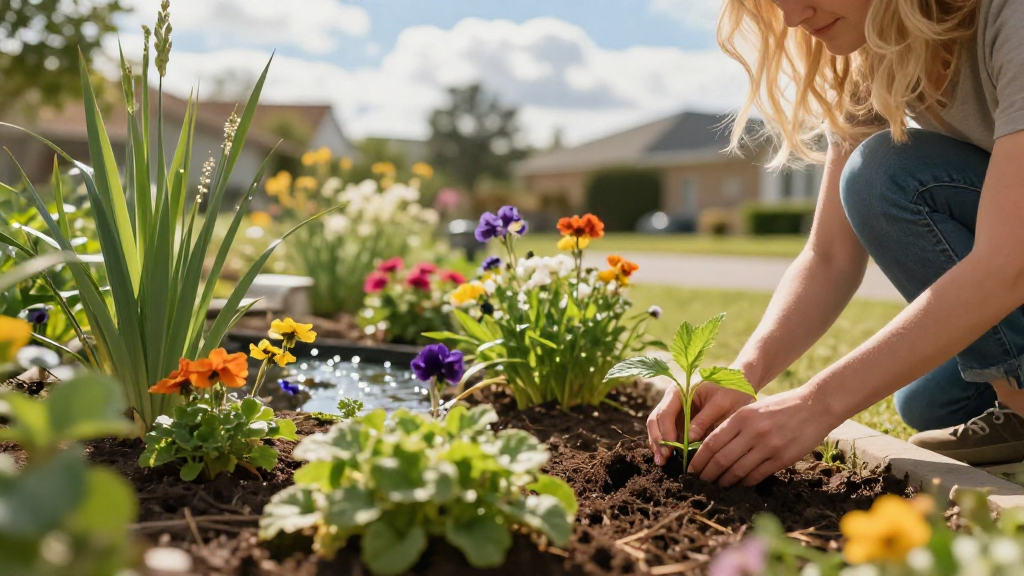
Creating a rain garden is an eco-friendly way to manage stormwater.
Not only does it help absorb excess rainfall, but it also enhances your landscape and contributes to local biodiversity. In this article, we will discuss how to make a rain garden that efficiently absorbs water and adds beauty to your surroundings.
What is a Rain Garden?
A rain garden is a planted depression designed to collect and absorb rainwater runoff from impervious surfaces such as roofs, driveways, and sidewalks. This type of garden helps to:
- Reduce flooding by capturing excess rainwater.
- Improve water quality by filtering pollutants.
- Support wildlife by providing habitat for birds and beneficial insects.
How to Make a Rain Garden: What Materials Do You Need?
Before diving into the steps on how to make a rain garden, it’s essential to gather the necessary materials.
List of Materials:
- Native Plants: Look for plants that thrive in your local climate and can withstand both wet and dry periods.
- Soil Amendments: Consider using sand or compost to improve drainage and enrich the soil.
- Mulch: Organic mulch helps retain moisture and suppresses weeds.
- Shovel or Spade: For digging the garden bed.
- Rake: To level out the soil surface.
- Garden Hose or String: To outline the shape of your rain garden.
How to Make a Rain Garden: What is the Ideal Location?
Choosing the right location is crucial in how to make a rain garden.
Here are some factors to consider:
-
Distance from Downspouts: Ideally, place your rain garden within 10 to 30 feet from roof downspouts or drainage areas.
-
Sunlight: Most native plants thrive in full sun, so select a site that receives at least six hours of sunlight daily.
-
Drainage: Ensure the location has natural slopes that will facilitate water flow into the rain garden.
-
Avoid Natural Structures: Keep your garden at least 10 feet away from structures like foundations, trees, and utility lines.
How to Make a Rain Garden: What Size Should it Be?
The size of your rain garden is another critical aspect of how to make a rain garden.
Follow these guidelines:
-
Size it Right: As a general rule, make the rain garden about 20% to 30% the size of the area that drains into it.
-
Depth: Aim for a depth of around 6 to 12 inches to collect and retain water effectively.
-
Shape: Design your rain garden in a shape that complements your landscape. Curved shapes often blend seamlessly into natural settings.
How to Make a Rain Garden: What is the Construction Process?
Now that you’ve outlined your location and size, let’s explore how to make a rain garden step by step.
Construction Steps:
-
Mark the Area: Use garden hose or string to outline the shape of your rain garden.
-
Dig the Hole: Begin by digging out the proposed area to a depth of 6 to 12 inches, ensuring the bottom is level.
-
Improve Drainage: If your soil retains a lot of water, mix in sand or compost to enhance drainage.
-
Create a Berm: Form a small berm (a rounded mound) around the garden’s perimeter to help hold water within while directing runoff into it.
-
Fill with Soil: Replace the excavated soil back into the hole using a mix of the native soil and amendments.
-
Plant: Select a variety of native plants that can handle periods of standing water as well as dry spells. Plant them according to your landscaping design, making sure to group plants with similar water needs together.
-
Mulch: Add a 2- to 3-inch layer of mulch to reduce evaporation and control weeds.
-
Watering: Initially, water the plants to help them establish roots. After that, your rain garden will absorb water from rainfall.
How to Make a Rain Garden: What Plants Should You Choose?
When learning how to make a rain garden, plant selection is crucial.
Recommended Native Plants:
- Butterfly Weed (Asclepias tuberosa): Attracts butterflies and tolerates dry conditions.
- Blue Flag Iris (Iris versicolor): Performs well in wet soils and blooms beautifully.
- Joe-Pye Weed (Eutrochium purpureum): A tall perennial that thrives in moist areas.
- Swamp Milkweed (Asclepias incarnata): Great for attracting pollinators and thriving in wet conditions.
- Obedient Plant (Physostegia virginiana): Known for its unique flower spikes and adaptability to varying moisture levels.
How to Make a Rain Garden: Maintenance Tips
To ensure your rain garden remains a thriving ecosystem, some maintenance is necessary.
Regular Maintenance Checklist:
- Watering: During dry spells, provide supplemental watering until plants are established.
- Weeding: Regularly check for invasive species and remove them manually.
- Mulching: Renew the mulch layer annually to maintain moisture and suppress weeds.
- Pruning: Trim back perennials in early spring to encourage healthy growth.
- Observation: Watch for signs of erosion or standing water that collects for extended periods, and make adjustments to improve flow as needed.
Conclusion: Is It Worth It to Make a Rain Garden?
Absolutely! Learning how to make a rain garden not only aids in stormwater management but also enhances biodiversity and boosts the aesthetic of your property.
By creating a rain garden, you’re playing a vital role in:
- Conserving resources
- Reducing flooding risk
- Enhancing the local ecosystem
So gather your materials, choose the right location, and start your journey towards a beautiful, functional rain garden today!
With a bit of effort and the right knowledge, your rain garden can flourish, transforming an ordinary area into a vibrant haven for both plants and wildlife.