Uneven temperatures are common in RVs, especially when a bedroom, bathroom, or rear living area sits far from the main air outlet. The right booster fan can help move conditioned air where it is needed without requiring a major HVAC upgrade.
This roundup compares inline, register-mounted, and roof-vent-style options across airflow capacity, duct and register compatibility, noise, controls, and power requirements. Use the guide below to narrow the list to the best match for your RV layout and cooling goals.
Best 10 Duct Booster Fans for Rvs Picks for 2026
Best Automatic Inline Pick
AC Infinity 4-Inch Pressure-Switch Duct Fan

- Automatic pressure-switch activation
- Five adjustable speed levels
- 230 CFM brushless EC motor
Best For: 4-inch RV ducting needing automatic airflow boosting
Best Roof Vent Upgrade
12V RV Roof Vent Fan with LED Light

- Reversible four-speed ventilation
- Remote control and rain sensor
- Quiet brushless motor rated at 674 CFM
Best For: 14-by-14-inch RV roof vent replacements
Best High-Capacity Duct Booster
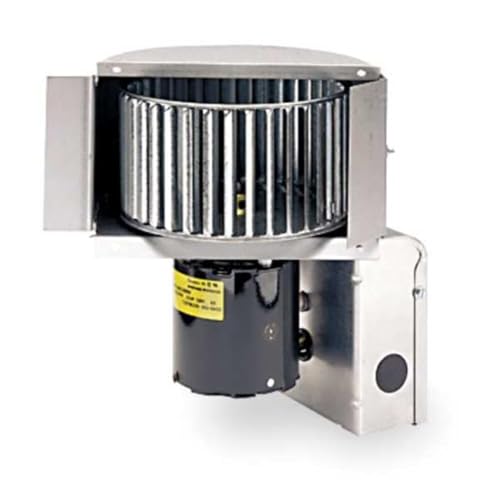
- 275 CFM airflow capacity
- Fits 5-to-8-inch round ducts
- Pressure-switch operation
Best For: Larger compatible ducts with 115-volt power
Best Smart Register Option
AC Infinity AIRTAP T4 Register Booster Fan

- Fits 4-by-10-inch openings
- Ten speeds with temperature triggers
- Quiet 18 dB operation and app control
Best For: Compatible RV registers needing smart airflow control
Quiet Metal Pick

- Metal housing with corrosion resistance
- 100 CFM airflow in a compact design
- Below-30 dB claimed noise level
Best For: Compact indoor RV ventilation where a metal housing is preferred
Best for Everyday Use

- Fits 4 x 10-inch register openings
- 130 CFM airflow with 10 speeds
- Remote, app, and voice-control options
Best For: Compatible RV registers needing automated airflow control
Adjustable Low-Power Pick

- 130 CFM listed airflow
- 6W maximum power consumption
- Includes variable speed controller
Best For: 4-inch RV duct runs needing adjustable, energy-conscious airflow
Best Compact Inline Option
Hon&Guan 6-Inch Inline Booster Fan

- Up to 345 CFM through 6-inch ducting
- 19.2W maximum power consumption
- Variable speed controller included
Best For: 6-inch RV duct projects needing adjustable inline airflow
Best High-Airflow Choice
Hon&Guan 8-Inch Inline Booster Fan

- Up to 623 CFM airflow
- Variable speed control included
- Larger, louder, and power-hungry than smaller options
Best For: Large RV duct installations prioritizing maximum airflow
Best Automatic Inline Pick – AC Infinity 4-Inch Pressure-Switch Duct Fan
For RV owners looking for duct booster fans for RVs, this AC Infinity model is a practical choice when you need to increase airflow inside existing 4-inch ducting or vent systems. Its pressure switch can activate the fan automatically when it detects a change in airflow, while five speed settings provide more control over ventilation.
Best For: RV ducting applications that need automatic airflow boosting and adjustable fan speeds.
Pros:
- Pressure switch helps automate fan activation.
- Five speed levels allow more precise airflow adjustment.
- 230 CFM capacity with a brushless, PWM-controlled EC motor.
Cons:
- Designed for 4-inch ducting, so compatibility must be checked first.
- Listed noise level is 60 dBA.
- Requires corded electric power and inline installation.
This is a strong fit for targeted duct runs where automatic operation matters more than ultra-quiet performance. Verify the 4-inch duct size and available power before installation.
Best Roof Vent Upgrade – 12V RV Roof Vent Fan with LED Light
This roof-mounted unit is an appealing option for shoppers comparing duct booster fans for RVs but needing broader cabin ventilation instead of an inline duct fan. It fits standard 14-by-14-inch roof openings, offers reversible airflow, and includes remote control, a rain sensor, and four-color LED ambiance lighting.
Best For: RVs, campers, and trailers needing a quiet, multifunctional roof vent replacement.
Pros:
- Reversible intake and exhaust airflow with four speed settings.
- Brushless motor is rated at 25 dB and up to 674 CFM.
- Includes remote control, rain sensor, adjustable lid, and four-color LED lighting.
Cons:
- This is a roof vent replacement rather than an inline duct booster.
- Requires a compatible 14-by-14-inch or 400-by-400 mm roof opening.
- Maximum listed power draw is 40 watts.
Choose this model when your goal is whole-space ventilation, humidity removal, or roof-level cooling. Its standard opening compatibility and weather-oriented features make it more installation-specific than a duct-mounted booster.
Best High-Capacity Duct Booster – Tjernlund DB-2 Duct Booster
The Tjernlund DB-2 is a straightforward option for duct booster fans for RVs when the installation can accommodate larger round or shallow rectangular ductwork. It delivers 275 CFM, uses a pressure switch, and is rated for duct sizes from 5 to 8 inches, making it suitable for boosting heating or cooling delivery through a compatible duct run.
Best For: Larger compatible duct systems requiring simple, pressure-activated airflow assistance.
Pros:
- 275 CFM airflow capacity supports heating and cooling applications.
- Fits 5-to-8-inch round ducts and rectangular ducts as shallow as 3.25 inches.
- Pressure switch enables automatic operation when airflow conditions change.
Cons:
- Only one speed is listed.
- Uses 115-volt corded electric power, which may not suit every RV setup.
- Listed noise level is 45 dB and the unit weighs 4 pounds.
This model favors capacity and broad duct compatibility over compact RV-specific power requirements. Confirm both duct dimensions and access to 115-volt power before considering it for an RV installation.
Best Smart Register Option – AC Infinity AIRTAP T4 Register Booster Fan
For RV owners seeking duct booster fans for RVs in a register-style format, the AC Infinity AIRTAP T4 is designed for 4-by-10-inch openings. It automatically responds to HVAC temperature changes, provides up to 10 speed levels, and adds app, remote, and smart-home control for more detailed airflow management.
Best For: Compatible 4-by-10-inch register openings where quiet, automated airflow control is a priority.
Pros:
- Automatic temperature-based operation helps respond to HVAC activity.
- Ten speed levels and an LCD display support precise adjustments.
- Rated at 18 dB with 120 CFM airflow and smart-home connectivity.
Cons:
- Designed exclusively for 4-by-10-inch duct openings.
- It is a surface-mounted register booster, not an inline duct fan.
- Its 120 CFM capacity is lower than the larger duct and roof-mounted options listed.
This is the most control-oriented choice in the group, especially for users who value temperature triggers, scheduling, and remote access. Measure the register opening carefully before purchase.
Quiet Metal Pick – VIVOSUN 4-Inch Inline Fan
For shoppers comparing duct booster fans for RVs, the VIVOSUN 4-inch inline fan is a compact option for duct-mounted ventilation. Its metal housing, 100 CFM airflow, and low claimed noise level suit installations where durability and a relatively quiet motor matter.
Best For: RV owners needing a compact 4-inch inline fan for indoor ventilation or HVAC airflow support.
Pros:
- Reinforced, corrosion-resistant metal construction.
- 100 CFM airflow in a compact 4-inch design.
- Quiet operation rated below 30 dB.
- Permanently lubricated bearing requires no routine maintenance.
Cons:
- Designed for 110/120V power, so RV electrical compatibility should be checked.
- The listed version does not include a speed controller.
- Intended for indoor use.
This is a practical choice when you prioritize a durable metal body and simple installation over built-in speed adjustment. Confirm both the duct size and available power before using it in an RV.
Best for Everyday Use – AC Infinity AIRTAP T4
The AC Infinity AIRTAP T4 takes a different approach to duct booster fans for RVs: it fits a 4 x 10-inch register opening and boosts airflow when the HVAC system is active. Its temperature display, multiple settings, and remote-control options make it suited to users who want more automation than a basic inline fan provides.
Best For: RV installations with a compatible 4 x 10-inch register opening and a preference for smart controls.
Pros:
- Provides up to 130 CFM airflow with 10 speed settings.
- LCD display monitors room temperature and supports adjustable triggers.
- Includes an IR remote and supports Alexa or Google Home integration.
- Automatic vents open with HVAC operation and close when inactive.
Cons:
- Fits only 4 x 10-inch duct openings.
- Requires a corded electrical connection.
- Its smart features may be more involved than needed for simple airflow boosting.
Choose this model if your RV has the required register dimensions and you want temperature-based operation or app-enabled control. Measure the opening first, since it is not a universal duct fan.
Adjustable Low-Power Pick – Hon&Guan 4-Inch Booster Fan
For duct booster fans for RVs that emphasize adjustable airflow and low energy use, the Hon&Guan 4-inch inline fan offers 130 CFM while drawing a listed maximum of 6 watts. The included variable speed controller lets you balance ventilation and noise for a compact duct installation.
Best For: RV users seeking a 4-inch booster fan with adjustable speed and low listed power consumption.
Pros:
- Produces a listed 130 CFM airflow.
- Uses a maximum of 6 watts.
- Includes a variable speed controller for airflow adjustment.
- Plastic body and blades support quick removal and maintenance.
Cons:
- Plastic construction may be less rugged than a metal-bodied alternative.
- Listed noise is 26 dBA, so it is not completely silent.
- RV power compatibility should be verified because the specifications list 100-240V.
This model stands out for flexible speed control and modest power consumption. It is a strong fit for a 4-inch duct run when you want to fine-tune airflow, but verify the electrical setup and mounting location before installation.
Best Smart Register Fit – VELLEE 6" x 12" Register Booster Fan
For RV owners looking at duct booster fans for RVs, the VELLEE is a register-style option for a compatible 6″ x 12″ duct opening. Its temperature sensor, 10 speed settings, and quiet PWM motor make it suited to spaces where automatic, low-noise airflow matters.
Best For: RV installations with a compatible 6″ x 12″ duct opening and access to a standard electrical outlet.
Pros:
- Automatic start and stop through a high-sensitivity temperature sensor.
- Up to 200 CFM airflow with 10 adjustable speeds.
- Quiet operation rated as low as 18 dBA.
- Includes a wall adapter, 12-foot cord, and remote control.
Cons:
- Requires a standard outlet rather than direct battery or 12-volt wiring.
- Must be carefully measured for duct opening, neck clearance, and face coverage.
- May not improve comfort substantially if ductwork is poorly sealed or insulated.
This is the most integrated choice of the three for a register opening, especially when quiet operation and automatic temperature-based control are priorities. Confirm the duct dimensions and available outlet before ordering.
Best Compact Inline Option – Hon&Guan 6-Inch Inline Booster Fan
The Hon&Guan 6-inch model is an inline choice for shoppers comparing duct booster fans for RVs. It delivers up to 345 CFM, uses a variable speed controller, and has a compact duct-mounted design that can suit ventilation or airflow-boosting projects where a 6-inch duct is available.
Best For: RV ventilation setups using 6-inch ducting where adjustable airflow and low power consumption are important.
Pros:
- Moves up to 345 CFM through a 6-inch duct.
- Uses a maximum of 19.2 watts.
- Includes a variable speed controller for adjusting airflow and noise.
- Plastic housing and removable components support maintenance.
Cons:
- Rated at 32 dBA, so it may be more noticeable than a very quiet register fan.
- Designed for duct mounting rather than direct register replacement.
- Supplied notes describe indoor use and AC power specifications, so RV electrical compatibility should be verified.
Choose this model when your RV project can accommodate a 6-inch inline fan and you want more airflow than a small register insert. Its included controller adds flexibility, but installation and power compatibility need planning.
Best High-Airflow Choice – Hon&Guan 8-Inch Inline Booster Fan
For larger duct runs, the Hon&Guan 8-inch model offers the highest airflow in this group of duct booster fans for RVs. It is rated for up to 623 CFM and includes variable speed control, making it a candidate for substantial ventilation or air-circulation needs where an 8-inch duct connection is practical.
Best For: Larger RV ventilation or duct installations that can support 8-inch ducting and higher airflow.
Pros:
- Provides up to 623 CFM airflow.
- Uses a DC motor with a maximum rated consumption of 44 watts.
- Includes variable speed control to adjust airflow and noise.
- Removable fan components are designed to simplify maintenance.
Cons:
- Its 45 dBA noise rating is higher than the smaller Hon&Guan model and the VELLEE.
- Requires more space and an 8-inch duct connection.
- Supplied details describe indoor applications, so outdoor exposure and RV power integration should be checked carefully.
This is the performance-oriented pick when airflow capacity matters more than compact size or minimum noise. Measure the available installation space and confirm the RV’s electrical setup before choosing it.
How We Picked the Best Duct Booster Fans for Rvs
We organized these 10 options around the most important real-world differences: installation style, airflow rating, opening or duct size, control method, operating noise, power draw, and RV compatibility. The list includes register booster fans for targeted room comfort, inline duct fans for longer or enclosed runs, and a roof vent fan for broader ventilation and reversible airflow.
Published CFM ratings are useful for comparison, but they do not guarantee the same airflow after bends, grilles, filters, or restrictive ductwork. A properly sized fan with a practical installation often performs better than a larger model that cannot move air efficiently through the existing system.
Quick Comparison
- Best for automatic inline boosting: AC Infinity Automatic Booster Duct Fan with a pressure switch.
- Best for a standard 4-inch register: AC Infinity AIRTAP T4 models.
- Best for compact inline ventilation: VIVOSUN 4-inch and Hon&Guan 4-inch fans.
- Best for larger duct runs: Hon&Guan 6-inch or 8-inch inline fans.
- Best for a roof opening and general ventilation: the 14-by-14-inch reversible RV roof vent fan.
- Best for a larger floor or wall register: the VELLEE fan sized for a 6-by-12-inch opening.
Key Buying Factors for Duct Booster Fans for Rvs
Choose the Correct Installation Type
Register fans sit over or inside a compatible grille and are usually the simplest choice for boosting one room. Inline models install within ducting or a connected ventilation path and are better when the fan must push air through a longer route. A roof vent fan is a different category: it exchanges air through the roof rather than boosting a conventional supply register.
Match the Size and Airflow
Confirm the duct diameter or register dimensions before buying. A 4-inch fan is suited to smaller runs, while 6- and 8-inch models can provide substantially more airflow but may require more installation space and power. Higher CFM is not automatically better in a small RV; excessive airflow can increase noise, drafts, or pressure on the system.
Check Power, Controls, and Noise
Verify whether the fan uses the voltage available in your RV and whether it needs an adapter, hardwiring, or a dedicated circuit. Speed controllers are useful for balancing airflow and sound. Automatic pressure or temperature-based operation can reduce manual adjustments, while remote controls and rain sensors add convenience to roof-mounted ventilation.
Plan the Installation
Measure clearances around registers, ducts, wiring, and cabinets. Seal gaps around an inline installation so air does not escape, and avoid blocking the existing grille. For roof fans, check roof thickness, sealant compatibility, weather exposure, and the manufacturer’s installation requirements.
Who Should Buy Which Duct Booster Fans for Rvs?
Choose a register booster if one room consistently feels warmer or colder than the rest of the RV and you want the least invasive installation. Pick a 4-inch inline fan for a compact duct or ventilation project, and step up to 6 or 8 inches when the duct is larger and the installation can support the added airflow. An automatic model is worthwhile if you want the fan to respond with minimal attention. Choose the roof vent when your priority is whole-RV air exchange, reversible airflow, or removing warm, stale air rather than simply improving supply-air distribution.