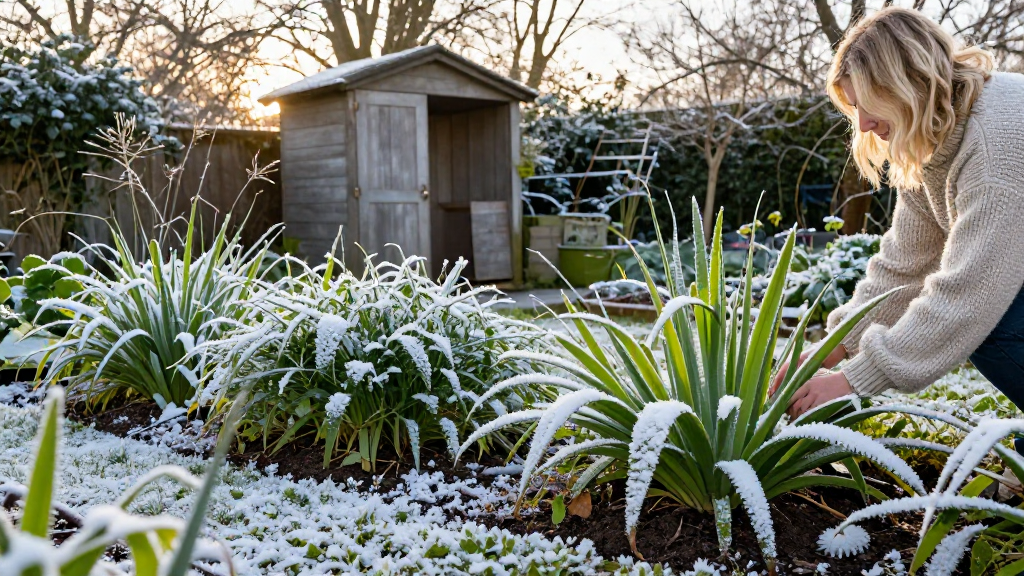
Are you wondering how to garden in the winter without a greenhouse?
Gardening during the cold months can seem like a daunting task, but with the right techniques, it’s possible to cultivate vegetables, herbs, and flowers.
In this article, we’ll explore effective methods and useful tips for successfully gardening in winter conditions, even without a greenhouse.
What Plants Can You Grow in Winter?
Before diving into how to garden in the winter, it’s essential to know what you can grow.
Many plants are surprisingly resilient and can thrive in colder temperatures.
Here are some cold-hardy vegetables and herbs that do well in winter:
– Kale: A versatile leafy green that becomes sweeter after frost.
– Spinach: This fast-growing green can be planted in late fall for a winter harvest.
– Garlic: Plant in the fall for a summer harvest; garlic thrives in cold temperatures.
– Carrots: These root vegetables can be sown before winter and pulled fresh as needed.
– Parsley: An aromatic herb that can survive light frost.
– Winter Onions: Plant sets in the fall to enjoy an early crop in spring.
Knowing the right plants to grow is crucial when learning how to garden in the winter.
How Can You Prepare Your Garden for Cold Weather?
Preparation is key for successful winter gardening.
Here are some steps to help your garden withstand the chill:
-
Choose the Right Location:
– Select a site that receives maximum sunlight.
– A south-facing area is ideal for harnessing warmth. -
Enrich Your Soil:
– Add organic compost to improve soil structure and nutrients.
– Well-drained soil helps prevent frost damage to roots. -
Mulch:
– Apply a thick layer of straw or bark mulch around your plants.
– Mulch insulates the soil, keeping it warmer and moist. -
Cover Your Beds:
– Use row covers or floating row covers to protect plants from frost.
– These lightweight fabrics allow light and moisture through while offering insulation. -
Plant in Containers:
– Raised beds and containers can be easier to manage in winter.
– Ensure pots are made of insulated material to protect roots.
These steps are integral to understanding how to garden in the winter successfully.
When Should You Start Planting for Winter?
Timing can determine your success in winter gardening.
Here’s a simple guide on when to plant:
- Late Summer to Early Fall: Ideal for planting winter crops like garlic and overwintering onions.
- Mid-Fall: Plant hardy vegetables like kale and spinach.
- Late Fall: In milder climates, you might plant cold-tolerant herbs until the first freeze.
Understanding the right timing will help you maximize your production as you learn how to garden in the winter.
What are Some Creative Gardening Techniques?
Having no greenhouse shouldn’t deter you from winter gardening.
Here are some innovative methods to consider:
1. Cold Frames
Cold frames are simple structures that trap heat from sunlight.
You can build a cold frame using old windows or using materials like wood and plastic.
Benefits of Using Cold Frames:
– Extended Growing Season: Protect your plants from harsh weather.
– Insulated Environment: Maintains a warmer climate for germination.
2. Hoop Houses
Hoop houses are larger structures made with flexible pipe and plastic sheeting.
They can protect garden beds from frost while allowing sunlight to penetrate.
Advantages of Hoop Houses:
– More Space: Grow larger amounts of food.
– Versatile: Can be used for seedlings and mature plants.
3. Indoor Gardening
If you lack outdoor space, considering an indoor garden is a great alternative.
Windowsill Gardens utilizing pots or hydroponic systems can yield fresh herbs and greens.
Best Indoor Plants:
– Herbs like basil, mint, and thyme thrive indoors.
– Leafy greens like lettuce and arugula grow well on a sunny windowsill.
Utilizing these techniques will enhance your knowledge of how to garden in the winter successfully.
How Can You Maintain Your Winter Garden?
Winter garden maintenance is crucial for harvesting healthy produce.
Here are key practices for maintaining your garden during the colder months:
- Regular Watering: Even in winter, plants need water.
- Monitor Temperature Fluctuations: Check temperature extremes to assess plant vulnerability.
- Pruning: Trim any dead or damaged plant parts to encourage new growth.
- Healthy Harvesting: Pick your crops regularly to promote continued growth and prevent plant stress.
Maintaining your garden will ensure you make the most out of your winter gardening efforts.
What Challenges Can You Face Gardening in Winter?
While winter gardening can be rewarding, there may be challenges along the way.
Here are some common issues and solutions:
- Frost Damage: Protect young seedlings with row covers or cold frames.
- Pests: Although less active, pests can still be present. Regularly check for signs and act quickly.
- Limited Sunlight Hours: Choose crops that can tolerate less light, and consider using reflective surfaces around your garden to maximize sunlight.
By being aware of these potential problems, you can better prepare for gardening in winter.
Conclusion: Why You Should Embrace Winter Gardening
Learning how to garden in the winter without a greenhouse opens up a world of possibilities.
It allows you to enjoy fresh produce year-round and can be a fulfilling hobby during the colder months.
Whether you choose to grow in containers, adopt a cold frame, or utilize indoor gardening techniques, winter gardening is achievable and rewarding.
So grab your gardening gloves, bundle up, and embrace the beauty of gardening in winter!
The crisp air, the serene atmosphere, and the joy of nurturing life await you in your winter garden.