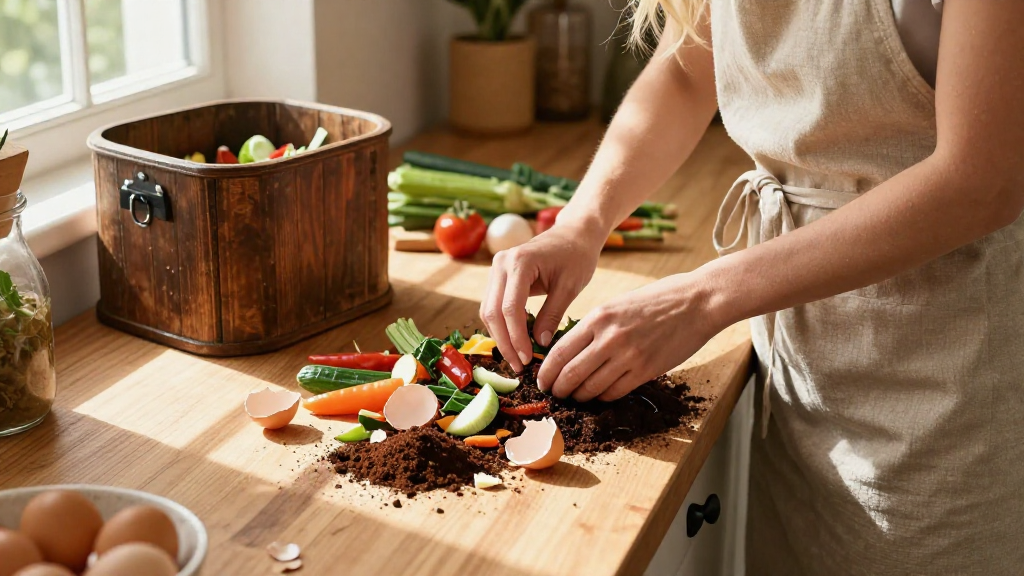
If you’re wondering how to compost kitchen scraps, you’re in the right place. Composting is an eco-friendly way to recycle your kitchen waste while enriching your garden soil. In this article, we’ll explore how to compost kitchen scraps effectively, providing you with tips and tricks to get started.
What are Kitchen Scraps Suitable for Composting?
Kitchen scraps can significantly contribute to your compost pile. Understanding what to include is crucial for successful composting.
Suitable kitchen scraps include:
- Fruit and vegetable peelings
- Coffee grounds and filters
- Eggshells
- Grains and pasta
- Leftover salad and wilted greens
- Nut shells
- Herb and plant trimmings
Avoid adding meat, dairy, fats, or oils, as these can attract pests and create foul odors.
Why Should You Compost Kitchen Scraps?
Knowing how to compost kitchen scraps allows you to reap multiple benefits.
Reasons to compost kitchen scraps:
-
Reduces Waste: Composting reduces the amount of organic waste sent to landfills.
-
Enriches Soil: Compost adds nutrients back into the soil, promoting healthy plant growth.
-
Saves Money: By creating your own compost, you decrease the need to buy chemical fertilizers.
-
Environmental Impact: Composting lowers greenhouse gas emissions by preventing organic waste from decomposing in landfills.
How Do You Start Composting Kitchen Scraps?
Now that you know the benefits, let’s dive into how to compost kitchen scraps at home. Follow these steps to create your compost pile or bin.
1. Choose Your Composting Method
You can select from various composting methods based on your space and needs:
-
Traditional Compost Pile: If you have outdoor space, a compost pile is ideal.
-
Compost Bin: An enclosed bin can keep your compost organized and contained.
-
Worm Composting (Vermicomposting): Using worms to break down kitchen scraps is an effective indoor option.
-
Bokashi Composting: This method ferments food scraps in a sealed bucket, producing a pre-compost that can be added to the soil.
2. Find a Suitable Location
Select a location for your compost pile or bin that is:
-
Accessible: Easy to reach for adding scraps and turning the compost.
-
Well-Drained: It should avoid waterlogging but maintain some moisture.
-
Partially Shaded: A place that is not too hot but gets some sun can help the composting process.
3. Layer Your Ingredients
To learn how to compost kitchen scraps effectively, it’s essential to layer your ingredients.
Aim for a balance between ‘greens’ and ‘browns’:
-
Greens: Nitrogen-rich materials like fruit and vegetable scraps, coffee grounds, and grass clippings.
-
Browns: Carbon-rich materials like dry leaves, cardboard, shredded paper, and wood chips.
A layered structure encourages aeration and speeds up decomposition. Start with a layer of browns, followed by a layer of greens, and then repeat until your compost pile is built.
4. Maintain Your Compost
Regular maintenance is crucial to successful composting. Here’s what to do:
-
Turn the Pile: Every few weeks, use a pitchfork or shovel to aerate the compost. This process adds oxygen, which microorganisms need to break down materials.
-
Monitor Moisture: Your compost should feel like a damp sponge. If it’s too dry, add water; if it’s too wet, add more browns.
-
Temperature Check: A hot compost pile can speed up the decomposition process. Aim for temperatures between 130°F to 160°F (55°C to 70°C) by ensuring a good mix of ingredients.
5. Know When Your Compost is Ready
Understanding the signs that your compost is ready for use is vital in mastering how to compost kitchen scraps.
Some indicators include:
-
Dark, Crumbly Texture: The compost should resemble rich, dark soil.
-
Earthy Smell: A pleasant, earthy aroma indicates proper decomposition.
-
Temperature Drop: After a few months, the compost will cool down, indicating it’s ready to use.
You’ll typically need to wait 2 to 6 months for your compost to mature, depending on your method and conditions.
How Can You Use Your Compost?
Once your compost is ready, it’s time to reap the benefits:
-
Garden Soil Amendment: Mix compost into your garden beds to enhance soil structure and fertility.
-
Potting Mix: Combine compost with potting soil for great potted plants.
-
Mulch: Use compost as mulch around trees or shrubs to suppress weeds and retain moisture.
-
Top Dressing: Sprinkle compost over your lawn or garden beds to nourish existing plants.
Tips for Successful Composting
To further ensure your success in learning how to compost kitchen scraps, consider these additional tips:
-
Chop Up Scraps: Smaller pieces decompose more quickly. Cut large scraps into smaller sections.
-
Avoid Overloading: Each time you add scraps, maintain a balance and avoid adding too much of one type of material.
-
Keep It Diverse: Include a variety of kitchen scraps and yard waste for a well-balanced compost pile.
-
Use a Compost Thermometer: To track the temperature, which can guide you on when to turn your pile or adjust moisture levels.
Final Thoughts on How to Compost Kitchen Scraps
Learning how to compost kitchen scraps is a rewarding journey that contributes positively to the environment and your garden.
By following these steps and maintaining your compost pile, you’ll create a rich resource that feeds your plants and reduces landfill waste.
So, gather your kitchen scraps and start your composting adventure today. It’s a small yet powerful step towards sustainable living!