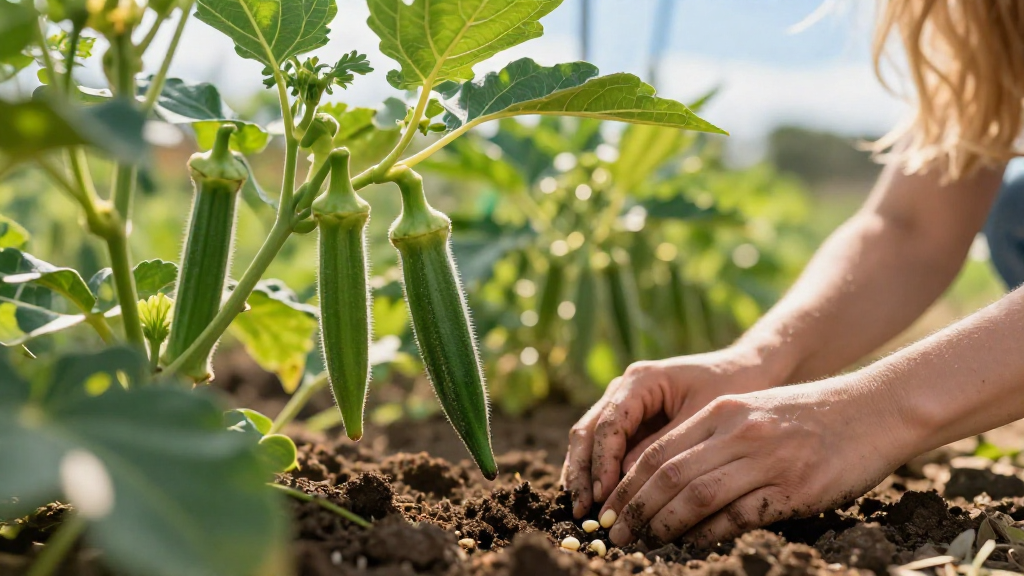
Are you eager to learn how to grow okra? Growing this nutritious vegetable is simpler than you think and can yield delicious results. With the right techniques and care, you can cultivate this heat-loving plant right in your garden.
What Seeds Should You Use to Grow Okra?
Before diving into the steps on how to grow okra, it’s crucial to choose the right seeds.
Okra seeds are generally available in various varieties, such as:
- Clemson Spineless: Popular for its tender pods, less prickly, and easy to harvest.
- Emerald: Known for its high yield and disease resistance.
- Burgundy: Offers a unique color and can be grown for both ornamental and edible purposes.
Make sure to buy high-quality seeds from reputable suppliers to ensure successful germination.
When is the Best Time to Grow Okra?
Timing plays a substantial role in how to grow okra effectively.
Okra thrives in warm weather conditions, requiring a minimum soil temperature of 75°F (24°C) to germinate effectively.
- Spring Planting: Most gardeners plant okra in early to mid-spring.
- Avoid Early Frost: Ensure that there is no danger of frost, as okra is sensitive to cold temperatures.
Monitor local weather forecasts to plant at the right time for your area.
Where Should You Plant Okra Seeds?
The ideal location is critical when figuring out how to grow okra successfully.
- Sunlight: Choose a spot that receives full sun (at least 6-8 hours of direct sunlight).
- Soil Type: Okra grows best in well-drained, loamy soil enriched with organic matter. Sandy soils are often ideal as they drain well yet retain moisture.
- Soil pH: Aim for a soil pH between 6.0 and 6.8. Conduct a soil test if you’re unsure, and amend accordingly.
How Do You Prepare the Soil for Okra?
Soil preparation is essential to the success of your okra plants. Follow these steps:
- Clear the Area: Remove any weeds, grass, or debris from the planting site.
- Tilling: Loosen the soil to a depth of at least 12 inches to promote root development.
- Organic Matter: Incorporate compost or well-rotted manure to improve soil fertility and structure.
- Fertilization: A balanced fertilizer can help establish your plants. Look for one with an equal ratio of nitrogen, phosphorus, and potassium (NPK).
How to Plant Okra Seeds?
Now that you know how to prepare the soil, let’s discuss how to grow okra from seed:
-
Direct Sowing:
– Plant okra seeds one inch deep in rows that are 3 feet apart.
– Space seeds about 12 to 18 inches apart in the row to allow room for growth. -
Watering:
– Water immediately after planting to help settle the soil.
– Follow up with consistent moisture until the seeds germinate, which typically takes 7 to 14 days. -
Mulching:
– Apply a layer of organic mulch (such as straw or grass clippings) once seedlings are a few inches tall to retain moisture and suppress weeds.
What Care Does Okra Need as it Grows?
Once you’ve planted your seeds, here’s how to nurture your okra:
-
Watering: Okra needs about an inch of water per week, either from rainfall or manual irrigation. Yes, they are drought-tolerant! But consistent moisture will lead to better yields.
-
Fertilizing: Apply a high-potassium fertilizer when the plants reach about 6 inches tall and again when they begin to flower.
-
Weeding: Regularly remove any competing weeds that may hinder growth – be careful not to disturb okra roots.
-
Pests & Diseases: Keep an eye out for pests like aphids and Japanese beetles. Implement organic pest control methods or insecticidal soap if necessary.
When and How to Harvest Okra?
Knowing when to harvest is crucial in mastering how to grow okra effectively.
-
Timing:
– Harvest okra pods when they are 2 to 4 inches long.
– Pods grow quickly, so check them every few days.
– Overgrown pods can become tough and fibrous. -
Method:
– Use sharp scissors or garden shears to cut the pods from the plant.
– Harvesting in the morning can yield the best flavor. -
Storage:
– Store harvested okra in the refrigerator, where it can last for about 4-7 days.
How to Troubleshoot Common Okra Problems?
Every gardener faces challenges, and knowing how to grow okra also includes being prepared for issues that may arise:
-
Slow Growth: Could be due to poor soil fertility or insufficient warm weather. Consider fertilizing or waiting for a warmer period.
-
Yellow Leaves: This may indicate overwatering or nutrient deficiencies. Adjust watering and inspect soil health.
-
Pest Infestation: If you notice signs of pests, apply organic control measures, such as insecticidal soap or neem oil.
-
Diseases: Fungal issues like powdery mildew can occur. Ensure good air circulation and avoid overhead watering if this is a concern.
Conclusion: Why Grow Okra?
In summary, how to grow okra is a rewarding experience that brings a wealth of delicious pods to your table. Not only is okra packed with nutrients, but it also adds unique texture and flavor to numerous dishes.
By following the above guidelines, you’ll find out just how easy and enjoyable growing okra can be!
Whether you use it in gumbo, fried dishes, or salads, knowing how to grow okra empowers you to enjoy this versatile vegetable right from your home garden. Happy gardening!