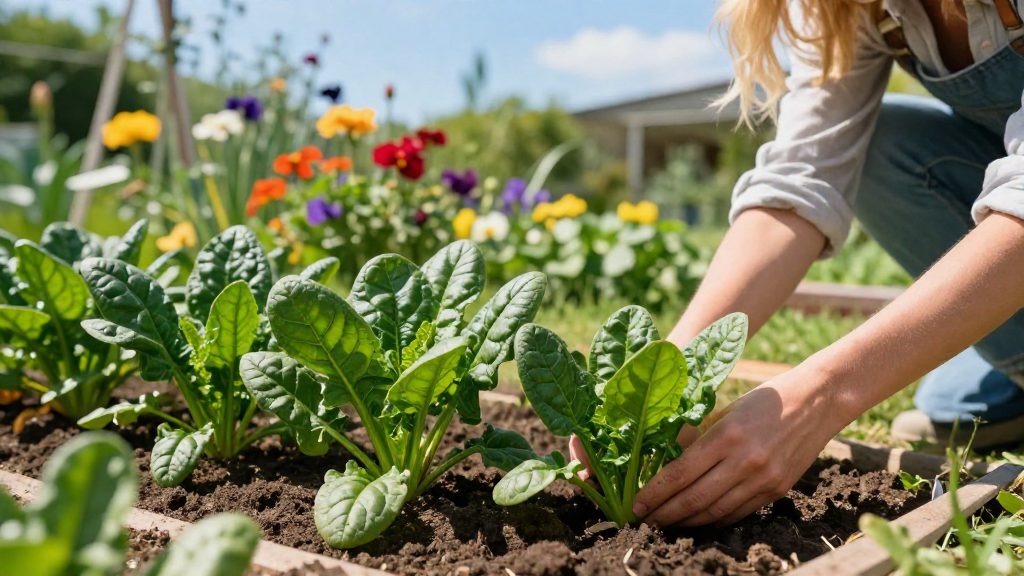
Learning how to grow spinach can be a rewarding experience, but one challenge many gardeners face is bolting.
In this article, we will explore how to effectively cultivate spinach while minimizing the risk of bolting.
What is Bolting in Spinach?
Bolting refers to the process where spinach plants produce flowers and seeds prematurely. This typically occurs as a response to stressful environmental conditions such as:
- High temperatures
- Inconsistent watering
- Poor soil nutrition
When spinach bolts, the leaves become tough, bitter, and less desirable for consumption.
Why is it Important to Prevent Bolting?
-
Quality of Leaves: Non-bolted spinach yields softer, tastier leaves perfect for salads or cooking.
-
Extended Harvest: Preventing bolting allows for a longer harvesting period, giving you more fresh produce.
-
Better Nutrition: Healthy, un-bolted spinach plants are more nutritious and have higher yields.
By understanding how to grow spinach without bolting, you can make the most of this nutritious leafy green.
When is the Best Time to Plant Spinach?
The optimal timing for planting spinach is crucial in preventing bolting.
What Are the Ideal Conditions?
-
Temperature: Spinach thrives in cool weather. The ideal temperature range is between 50°F and 70°F.
-
Season: Plant in early spring or fall when temperatures are milder. This helps to ensure your spinach remains in a temperature range conducive to growth without bolting.
-
Day Length: Spinach prefers short day lengths. Plan your planting around the shorter days of spring and fall.
How to Start Your Spinach Seeds?
You can grow spinach from seeds or seedlings.
-
Direct Seeding:
- Sow seeds about ½ inch deep in well-tilled, well-drained soil.
- Space seeds 2 inches apart to allow each plant sufficient room to grow.
-
Transplanting:
- Start seeds indoors about 6 weeks before the last frost.
- Transplant seedlings outdoors when they are 2-3 inches tall and the soil temperature is at least 45°F.
How to Maintain Soil Health for Spinach?
What Soil Conditions are Best for Spinach Growth?
-
Soil Type: Loamy, well-drained soil is ideal for spinach.
-
pH Level: Aim for a soil pH of 6.0 to 7.0.
-
Nutrients: Incorporate organic matter such as compost to enrich your soil.
How Often Should You Water Spinach?
- Spinach requires consistent moisture.
- Water your plants thoroughly without waterlogging.
- Aim for 1 to 1.5 inches of water per week, adjusting for rainfall.
How to Control Temperature?
What Are Effective Methods to Keep Spinach Cool?
-
Shade: Use shade cloth or row covers to protect your plants from excessive sunlight.
-
Mulching: Apply organic mulch around your spinach to retain soil moisture and keep temperatures down.
-
Interplanting: Grow spinach alongside faster-growing crops, such as radishes or garlic, which provide slight shade as they grow.
How Do You Monitor Your Spinach for Bolting?
Regularly check your spinach plants and monitor for the following signs of bolting:
-
Stems becoming taller: A plant’s height can increase significantly as it bolts, an early warning sign.
-
Flower Formation: If you start to see small flower buds forming, it’s time to act!
If you notice these signs, there are a few strategies you can implement to minimize the effects.
What to Do if Spinach Starts to Bolt?
-
Harvest Immediately: Don’t wait for the plant to bolt fully. Harvest the leaves while they’re still tender.
-
Encourage New Growth: Cut back bolting plants to stimulate new leaf growth.
-
Plant Another Batch: Succession planting can yield more harvest. Plant new seeds after the last harvest or during warm summer months for fall crops.
What Are Some Companion Plants for Spinach?
Companion planting can enhance your spinach garden and mitigate the risk of bolting.
Which Plants Pair Well with Spinach?
-
Strawberries: They can provide shade and a beneficial relationship when planted close to spinach.
-
Garlic: Its natural pest-repelling properties benefit spinach plant health.
-
Radishes: These quick-growing vegetables help to cover the soil while spinach germinates, reducing temperature and moisture fluctuations.
-
Carrots: They share similar growing conditions and won’t compete for space.
How to Fertilize Your Spinach Plants?
Proper fertilization promotes healthy growth and can prevent bolting.
What Type of Fertilizer Should You Use?
-
Natural Fertilizers: Such as compost or well-rotted manure. These slow-release options build soil fertility over time.
-
Balanced Fertilizer: Use a 10-10-10 NPK fertilizer, applying it according to soil test recommendations for specific needs.
When Should You Fertilize?
-
Fertilize before planting, ensuring that nutrients are available for young spinach plants.
-
Apply a side-dressing of fertilizer once plants are established, usually 3-4 weeks after germination.
Final Thoughts: How to Grow Spinach Without Bolting
Successfully learning how to grow spinach without bolting takes a combination of proper planting, ongoing care, and attention to environmental conditions.
- Plant at the right time and under optimal conditions.
- Maintain healthy soil.
- Monitor plants for signs of stress.
By following these tips, you will not only enjoy a bountiful spinach harvest but also appreciate the tender, flavorful leaves your garden can provide.
Take the necessary steps to reduce the chances of bolting, and reap the rewards of nutritious, delicious spinach throughout the growing season!