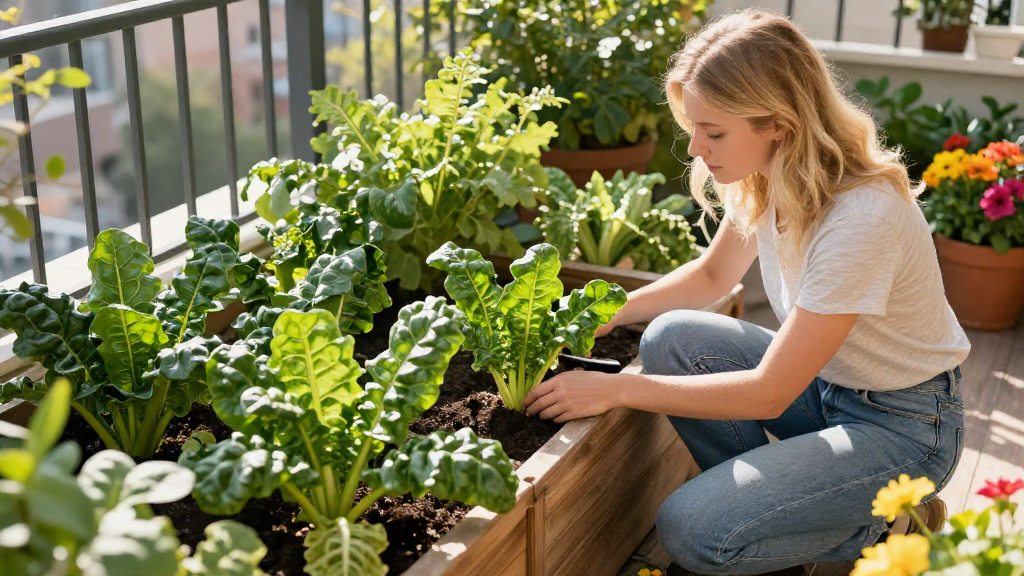
Growing your own vegetables is a rewarding endeavor, especially when it comes to leafy greens like chard. In this article, we will discuss how to grow chard in small spaces, allowing even the tiniest of gardens to yield this nutritious and vibrant vegetable.
What is Chard and Why Should You Grow It?
Chard, also known as Swiss chard, is a leafy green vegetable that belongs to the beet family.
It is renowned for its rich, nutritious profile, offering:
- High levels of vitamins A, C, and K
- Rich iron and magnesium content
- Antioxidant properties
Chard’s adaptability to various growing conditions makes it an ideal choice for small-space gardening. Plus, its colorful stalks add a visual appeal, making it a popular garden favorite.
What Do You Need to Grow Chard in Small Spaces?
To successfully learn how to grow chard, you’ll need the following supplies:
-
Containers or Raised Beds:
– Opt for pots, window boxes, or even hanging planters.
– Ensure they have good drainage holes. -
Potting Soil:
– Choose high-quality, well-draining potting mix. -
Seeds or Seedlings:
– You can start with seeds directly in the container or purchase seedlings. -
Watering Can or Hose:
– A gentle watering system is recommended to avoid washing away seeds. -
Sunlight:
– A spot that receives at least 6 hours of sun daily.
How Do You Select the Right Variety of Chard?
When deciding how to grow chard, consider the various types available. Focus on a variety that fits your space and aesthetic preferences. Some popular options include:
- Rainbow Chard: Known for its stunning colorful stalks.
- Fordhook Giant: Oversized leaves that are great for cooking.
- Lucullus: A classic choice with beautiful green leaves.
Choose a variety based on your culinary needs and visual preferences!
When is the Best Time to Plant Chard?
Chard can be planted both in spring and fall, making it flexible for cropping.
Here’s a general timeline:
- Spring Planting: Sow seeds after the last frost.
- Fall Planting: Start seeds 6-8 weeks before the first expected frost.
Overall, chard thrives in cooler temperatures, so spring and fall are optimal times.
How to Grow Chard: Step-by-Step Instructions
Now, let’s dive into the process of how to grow chard effectively in your small space!
Step 1: Prepare Your Containers
- Ensure your containers are at least 12 inches deep for proper root development.
- Fill them with well-draining potting soil, leaving a bit of space at the top.
Step 2: Sow Seeds
- If using seeds, plant them about 1 inch apart and cover them lightly with soil.
- Water gently to settle the soil.
Step 3: Watering and Fertilizing
- Keep the soil consistently moist but not soggy. Watering should be done every few days, especially in dry conditions.
- Apply a balanced fertilizer every 4-6 weeks to boost growth.
Step 4: Thinning Seedlings
Once seedlings emerge, thin them out to about 4-6 inches apart to allow each plant adequate space for growth.
Step 5: Pest and Disease Management
Keep an eye out for common pests like aphids and slugs.
Utilize natural remedies and companion planting to manage pests effectively:
- Diatomaceous Earth: Sprinkle it around the base for pest control.
- Companion Plants: Consider planting garlic or marigolds nearby to deter unwanted insects.
Step 6: Harvesting Chard
Chard is a cut-and-come-again crop, which means you can continuously harvest leaves throughout the growing season.
- When to Harvest: Start harvesting when the leaves reach 6-8 inches tall.
- How to Harvest: Cut outer leaves at the base, allowing the inner leaves to continue growing.
Can You Grow Chard Indoors?
Absolutely! Learning how to grow chard indoors is possible with the right environmental conditions.
Requirements for Indoor Growing:
- Grow Lights: If natural sunlight isn’t sufficient, use grow lights for 14-16 hours a day.
- Temperature Control: Keep your indoor environment around 65-75°F.
- Watering: Ensure proper drainage and monitor moisture levels.
What Are the Benefits of Growing Chard in Small Spaces?
Growing chard in small spaces has numerous benefits:
- Space Efficiency: Chard is versatile and can grow in pots or vertical gardens.
- Accessibility: Easy to care for and harvest, ideal for anyone, including beginners.
- Aesthetic Appeal: Adds a pop of color and greenery to urban or limited spaces.
- Nutritional Value: Provides fresh, nutrient-rich produce right at your doorstep.
How to Store Your Harvested Chard?
Proper storage is crucial to maintaining the freshness of your chard.
Storage Tips:
- In the Refrigerator: Wrap chard in a damp paper towel and store it in a perforated plastic bag.
- Use Within 5-7 Days: For optimal freshness and nutrient retention.
- Freezing: Blanch chard leaves for 2 minutes, cool in ice water, then store in freezer bags for longer-lasting storage.
Final Thoughts: Why is Growing Chard Worth the Effort?
Now that you know how to grow chard in small spaces, give this vibrant green a try.
With its versatility in cooking and impressive nutritional profile, chard is a fantastic vegetable to grow, no matter how limited your space is.
By following the steps in this guide, you can enjoy the process of gardening while reaping the benefits of homegrown goodness.
Start your chard journey today and watch your small space flourish with this colorful, healthy green!