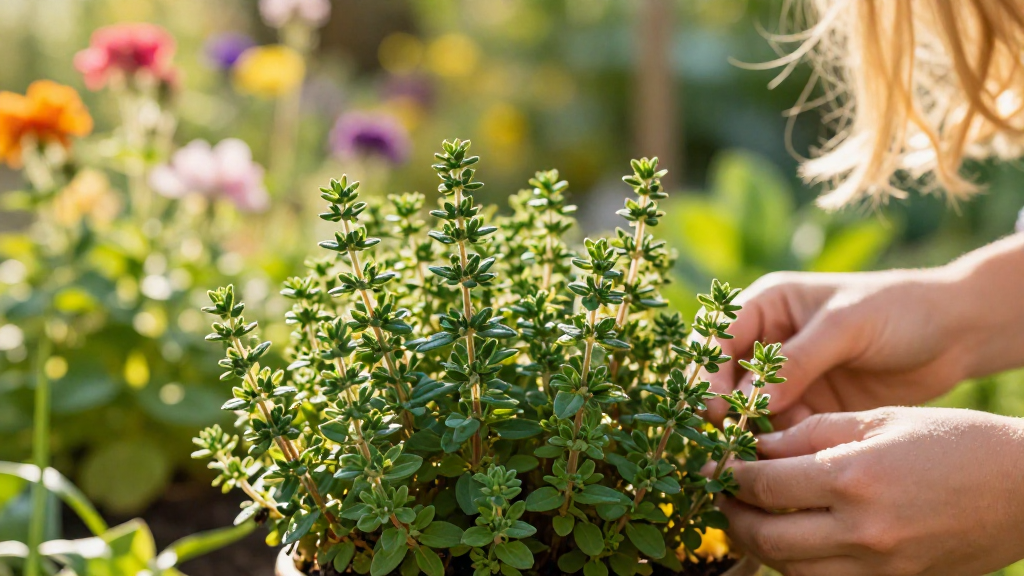
If you’re eager to learn how to grow thyme, you’re in for a treat! This versatile herb not only elevates the flavor of your dishes but is also a delightful addition to any garden. In this article, we’ll cover everything you need to know about cultivating thyme, from selecting the right variety to caring for your plants.
What is Thyme and Why Grow It?
Thyme (Thymus vulgaris) is a perennial herb belonging to the mint family.
It is well-known for its aromatic leaves, which can enhance meat, soups, and vegetables.
With its tiny purple flowers, thyme also doubles as a beautiful ornamental plant in gardens.
Growing thyme has numerous benefits:
- Culinary Uses: Fresh or dried thyme can enhance numerous dishes.
- Medicinal Properties: Thyme is known for its antiseptic and antibacterial qualities.
- Low Maintenance: It’s an easy herb for beginners and seasoned gardeners alike.
How Do You Choose the Right Thyme Variety?
When exploring how to grow thyme, selecting the right variety is crucial.
There are several types of thyme, but here are some popular options:
- Common Thyme (Thymus vulgaris): This is the most widely used culinary variety.
- Lemon Thyme (Thymus citriodorus): Provides a fresh lemon scent and flavor, perfect for fish dishes.
- Woolly Thyme (Thymus pseudo-helix): A ground cover with a fuzzy appearance, great for rock gardens.
- Creeping Thyme (Thymus serpyllum): Known for spreading rapidly and promoting healthy ground cover.
Choose a variety that suits your culinary needs and gardening style!
When is the Best Time to Plant Thyme?
Knowing when to grow thyme is essential for ensuring a successful harvest.
Thyme is best planted in:
- Spring: After the last frost, when the soil is warm and dry.
- Fall: In milder climates, plant in early autumn for a harvest in the following spring.
Timing is crucial, so keep an eye on the weather!
Where Should You Plant Thyme?
When considering how to grow thyme, placement in your garden is key.
Thyme thrives best in:
- Sunny Locations: Aim for at least 6-8 hours of direct sunlight for optimal growth.
- Well-draining Soil: Thyme prefers sandy or loamy soil that drains well.
- pH Levels: Soil should be slightly alkaline, ideally around 6.0 to 8.0.
Avoid areas where moisture tends to accumulate, as thyme is sensitive to overwatering.
How Do You Prepare the Soil for Thyme?
Preparation is vital when learning how to grow thyme.
Follow these steps to prepare your soil:
- Choose Your Location: Select your garden bed or pot.
- Test Soil pH: Using a soil test kit, ensure your pH is between 6.0 and 8.0.
- Improve Drainage: If your soil is heavy clay, mix in sand or perlite to enhance drainage.
- Add Organic Matter: Incorporate compost to provide nutrients without making the soil too fertile.
A well-prepared bed sets the foundation for healthy thyme plants!
How to Plant Thyme?
Once the soil is ready, you’re all set to grow thyme!
Follow these planting tips:
- Seeds:
- Start indoors 6-8 weeks before the last frost or sow directly outdoors after frost.
-
Scatter seeds, lightly cover with soil, and keep moist until germination.
-
Seedlings/Transplants:
- Space 12-24 inches apart, as thyme can spread.
- Plant them at the same depth as they were in their previous container.
Tip: Thyme can also be grown in pots or window boxes if you have limited space!
How Much Water Does Thyme Need?
Watering is crucial for understanding how to grow thyme successfully.
Here’s what to keep in mind:
- Underwatering: Thyme prefers lean, dry conditions. Overwatering can lead to root rot.
- Watering Schedule: Water your thyme every 2-3 weeks, especially during dry spells.
- Signs of Stress: If leaves turn yellow or the plant wilts, it’s likely getting too much water.
Key: Always let the soil dry out between waterings. A drought-tolerant plant, thyme prefers drier conditions over wet!
How Do You Fertilize Thyme?
Thyme doesn’t require a lot of fertilization, which makes it easier to manage for those learning how to grow thyme.
Here are some guidelines:
- Using Fertilizer: If desired, use a balanced liquid fertilizer diluted to half strength.
- Frequency: Fertilize once in early spring and not again until mid-summer.
- Organic Options: Compost or well-rotted manure can be used for an organic boost.
Remember, thyme thrives in less fertile soil!
How Do You Harvest Thyme?
After all the hard work, harvesting is one of the most rewarding steps in how to grow thyme.
Here are some tips to maximize the flavor and health of your thyme:
- Timing: Harvest in summer when leaves are most aromatic and flavorful.
- Cutting: Use scissors or pruners to trim stems just above the leaf nodes.
- Amount: Only take what you need; this encourages new growth.
- Preserving: Dry your harvested thyme by hanging stems upside down in a dark, dry place.
Harvesting regularly not only provides fresh herbs but also encourages bushier growth!
What Pests and Diseases Affect Thyme?
Though thyme is relatively pest-resistant, it’s good to know potential threats when learning how to grow thyme.
Watch out for:
- Pests:
- Spider Mites: Check for tiny webs; spray with insecticidal soap if found.
-
Aphids: These can suck plant juices; blast them off with water.
-
Diseases:
- Fungal Issues: Mildew can arise from overly damp conditions.
- Root Rot: Caused by overwatering; ensure proper drainage.
Monitoring your plants regularly helps catch these issues early!
Conclusion: Ready to Grow Thyme?
Now that you know how to grow thyme, there’s nothing stopping you!
By following these steps—from selecting the right variety and preparing your soil to watering and harvesting—you can enjoy a bountiful supply of this delightful herb.
A flourishing thyme plant not only serves as a culinary delight but also adds charm to your garden.
So, roll up your sleeves, gather your materials, and start your thyme-growing journey today! Happy gardening!