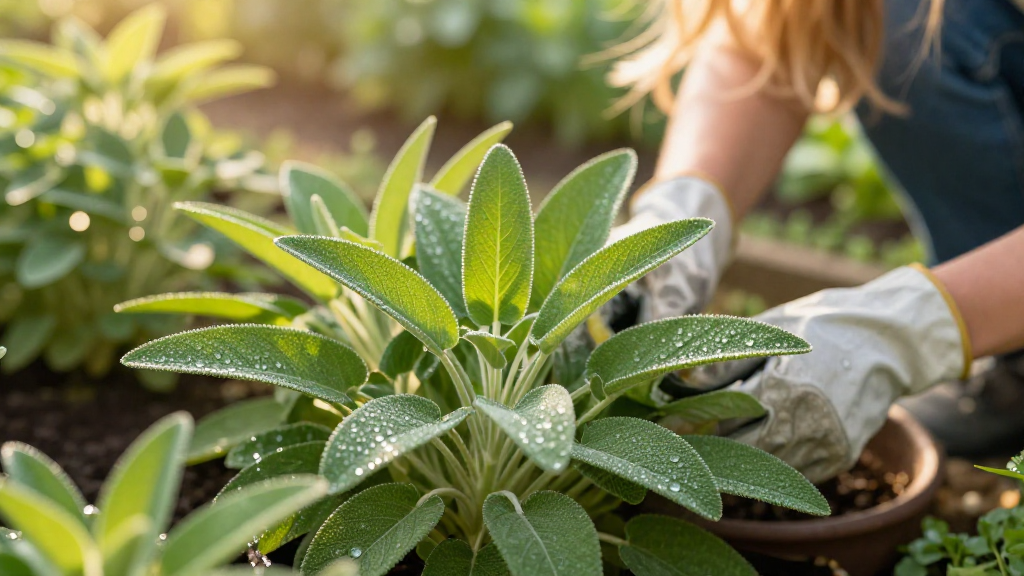
If you’re looking to add fresh flavor to your culinary creations, knowing how to grow sage is essential. This aromatic herb not only enhances your dishes but can also thrive in your garden or even in a small pot on your kitchen windowsill.
What is Sage and Why Grow It?
Sage, scientifically known as Salvia officinalis, is a perennial herb that belongs to the mint family.
With its strong, earthy flavor, it’s perfect for seasoning meats, pasta, and soups.
Here are a few reasons you should consider growing sage:
- Culinary Uses: Sage is commonly used in Italian and Mediterranean cuisine.
- Medicinal Benefits: It has antioxidant properties and may aid digestion.
- Aesthetic Appeal: The plant boasts beautiful silvery-green leaves and purple flowers.
Understanding how to grow sage makes it easy to enjoy these benefits right at home.
How Do You Choose the Right Location?
The first step in understanding how to grow sage is selecting the ideal location.
Sage thrives in environments that mimic its native Mediterranean habitat.
Sunlight Requirements:
- Full Sun: Sage prefers at least 6-8 hours of direct sunlight each day.
- Soil Drainage: Ensure the soil is well-drained; sage doesn’t like to sit in water.
Temperature Preferences:
- Warm Climate: Sage enjoys warmer temperatures, ideally between 70°F to 75°F (21°C to 24°C).
- Cold Tolerance: While it can survive light frosts, prolonged cold can damage the plant.
Soil Conditions:
- Soil Type: A sandy or loamy soil rich in organic matter is perfect for sage.
- pH Levels: The ideal pH level ranges between 6.0 and 7.0.
How Can You Propagate Sage?
Now that you know the right location, you can proceed to propagate sage.
There are several methods to do this, whether from seeds, cuttings, or divisions.
1. Growing from Seeds:
- Start Indoors: Begin indoors about 6-8 weeks before the last frost.
- Seed Depth: Plant seeds about ¼ inch deep in seed-starting soil.
- Watering: Keep the soil moist until germination occurs, which typically takes 2-3 weeks.
2. Taking Cuttings:
- Select Healthy Stems: Choose stems that are green and healthy.
- Cut and Prepare: Cut around 4-6 inches long and remove lower leaves.
- Rooting Hormone: Dip the cut end in rooting hormone to encourage root development.
- Potting: Place in a pot with a well-draining soil mix and water thoroughly.
3. Dividing Existing Plants:
- Time to Divide: This is best done in early spring or fall.
- Dig Up: Carefully dig up the entire plant and separate the root ball into sections.
- Replant: Replant each section in well-prepared soil.
What is the Best Care for Growing Sage?
Once you understand how to grow sage, the next step is ensuring proper care for your plants.
Watering Needs:
- Frequency: Sage prefers slightly dry conditions, so water only when the top inch of soil feels dry.
- Overwatering: Be careful to avoid soggy soil, which can lead to root rot.
Fertilizing:
- Timing: Fertilize in early spring and during the growing season.
- Type: Use a balanced, organic fertilizer at half strength to encourage growth without overwhelming the plant.
Pruning and Harvesting:
- Pruning: Regularly pinch back tips to encourage bushy growth and prevent the plant from becoming woody.
- When to Harvest: Start harvesting leaves once the plant is well-established, usually after 3-4 months.
How Do You Harvest Sage Properly?
Knowing how to grow sage also includes learning the right way to harvest it.
Best Practices for Harvesting:
- Timing: The best time to harvest is in the morning after the dew has dried but before the heat of the day.
- Technique: Use sharp scissors or pruning shears to cut the leaves or stems, leaving a few inches on the plant for continued growth.
Drying and Storing Sage:
- Air Drying: Hang bunches upside down in a dark, dry place for a few weeks.
- Storage: Store dried leaves in an airtight container away from sunlight. Fresh sage should be kept in the fridge.
Common Pests and Problems: What Should You Watch Out For?
While learning how to grow sage, you might encounter some common pests or diseases.
Common Pests:
- Aphids: These can hitch a ride on nearby plants.
-
Solution: Spray with a gentle soapy water solution.
-
Spider Mites: These pests thrive in dry conditions.
- Solution: Increase humidity around the plant or use insecticidal soap.
Fungal Issues:
- Powdery Mildew: This often occurs in humid conditions.
- Solution: Ensure proper airflow and avoid overhead watering.
Can You Grow Sage Indoors?
Yes, you can successfully grow sage indoors if you lack outdoor space or wish to have fresh herbs year-round.
Indoor Growing Tips:
- Containers: Use pots that are at least 6-8 inches deep with drainage holes.
- Lighting: Place near a south or west-facing window to receive sufficient sunlight or use grow lights.
- Temperature: Ensure a warm, stable environment—between 60°F to 70°F is preferable.
Conclusion: Why Learn How to Grow Sage?
Growing sage is relatively straightforward and rewarding.
From enhancing your culinary dishes to its pleasing aroma, the benefits of this herb make it worth the effort.
By mastering how to grow sage, you’ll not only elevate your cooking but also enjoy the satisfaction of cultivating your own fresh herbs.
Remember to consider the growing conditions, propagation methods, and care tips mentioned here, and soon you’ll be able to enjoy fresh sage right from your garden or kitchen!
Start your sage-growing journey today, and add a splash of flavor to your home-cooked meals!