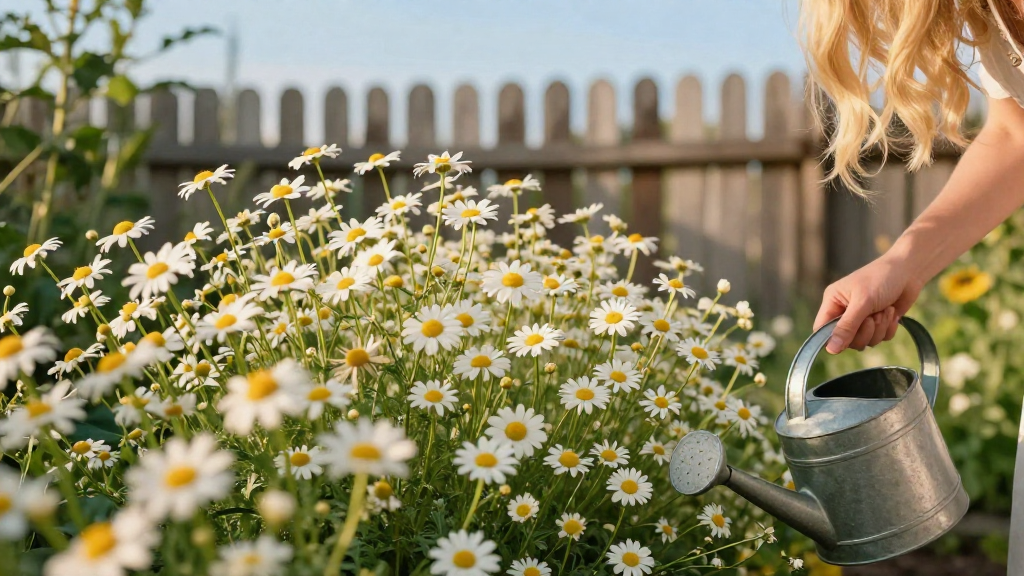
If you’ve ever wondered how to grow chamomile, you’re in for a delightful journey.
Growing your own chamomile not only allows you to enjoy the spectacular, sweet aroma but also gives you access to fresh ingredients for tea that can help soothe various ailments.
What Is Chamomile?
Chamomile is a flowering plant belonging to the Asteraceae family, celebrated for its small daisy-like blossoms.
It thrives in various climates, making it a popular choice for home gardeners.
This herb is often used in teas to promote relaxation and aid digestion, making it a staple in herbal medicine.
Chamomile has two major varieties:
- German Chamomile (Matricaria chamomilla)
- Roman Chamomile (Chamaemelum nobile)
Both types can be used for tea, but they have slightly different flavors and medicinal properties.
How to Grow Chamomile: What Do You Need?
Before diving into the methods of growing chamomile, it’s essential to prepare adequately.
Here’s what you’ll need:
- Seeds or Seedlings: Choose between German or Roman chamomile, depending on your preference.
- Quality Soil: Well-draining soil that is rich in organic matter is crucial.
- Sunlight: Chamomile requires full sun for at least six hours a day.
- Water: Enough water to keep the soil moist, especially during dry spells.
- Mulch: To retain soil moisture and suppress weeds.
When Is the Best Time to Plant Chamomile?
Knowing when to plant chamomile is key to successful growth.
Chamomile is typically planted in the spring or fall, depending on your climate.
- Spring Planting:
- Prepare the soil after the last frost.
-
Seeds can be sown directly into the garden or started indoors.
-
Fall Planting:
- In milder climates, fall planting is an excellent option.
- Seeds will germinate in early spring.
How to Grow Chamomile: Step-by-Step Guide
Now, let’s explore how to grow chamomile through an easy, step-by-step guide.
1. Choose a Planting Spot
Chamomile thrives best in:
- Full Sunlight: Aim for a location that gets at least 6 hours of sunlight each day.
- Well-draining Soil: Ensures that the roots won’t sit in water.
2. Prepare Your Soil
To prepare your soil for chamomile planting:
- Test pH Levels: A slightly acidic to neutral pH (6.0-7.0) is ideal.
- Add Compost: Mix compost into the topsoil to enrich it with nutrients.
3. Start from Seeds or Seedlings
When learning how to grow chamomile, you can choose to start from seeds or buy seedlings from a nursery.
- Seeds:
- Sow directly: Plant seeds 1/8 inch deep and 10-12 inches apart.
-
Cover lightly: Only a thin layer of soil is needed.
-
Seedlings:
- If using seedlings, plant them at the same depth as they were in their original pots.
4. Watering Requirements
Chamomile plants prefer consistent moisture:
- Initial Watering: Water well after planting.
- Ongoing Care: Keep the soil continuously moist, especially in hot conditions.
- Avoid Overwatering: Ensure no standing water accumulates, as chamomile dislikes soggy soil.
5. Weed Control and Mulching
To keep your chamomile healthy:
- Control Weeds: Regularly remove weeds by hand or use a hoe.
- Apply Mulch: A layer of mulch will help retain moisture and suppress weed growth.
6. Fertilization Tips
Chamomile is not a heavy feeder, but an occasional boost can be beneficial:
-
Organic Fertilizer: Apply a balanced organic fertilizer once the plants are established.
-
Top Dressing: A light layer of compost in mid-summer can also be advantageous.
7. How to Care for Chamomile Plants
Regular maintenance is crucial when learning how to grow chamomile successfully:
- Pruning:
- Pinch back the growing tips to encourage bushiness.
-
Remove dead flowers to prolong the blooming period.
-
Pest Management:
- Watch for common pests like aphids and whiteflies.
- Employ natural methods like insecticidal soap when necessary.
8. When and How to Harvest Chamomile
Knowing when and how to harvest chamomile is the ultimate reward for your gardening efforts.
- Timing:
- Harvest flowers as soon as they bloom for the best flavor.
-
Best to pick them in the morning after the dew dries.
-
Harvest Method:
- Use scissors or pruning shears.
- Cut the flowers just above the foliage.
How to Store Your Chamomile for Tea
Once harvested, proper storage is vital to maintain flavor:
-
Dry the Flowers:
– Bundle the flowers together and hang them upside down in a cool, dark place. -
Store in Airtight Containers:
– Once fully dried (about 1-2 weeks), store the flowers in glass jars. -
Keep Away from Light:
– Store the jars in a dark pantry to preserve their potency.
How to Make Chamomile Tea
Now that you’ve grown and harvested your chamomile, it’s time to brew a comforting cup of tea:
-
Ingredients:
– 1-2 teaspoons of dried chamomile flowers
– 1 cup of boiling water -
Method:
– Place chamomile flowers in a teapot or infuser.
– Pour boiling water over them.
– Steep for 5-10 minutes, depending on how strong you like it. -
Optional Additions:
– Sweeten with honey, or add lemon for a refreshing twist!
Conclusion
Growing chamomile is an incredibly rewarding experience that allows you to enjoy a soothing herbal tea right from your garden.
By following this guide on how to grow chamomile, you’ll not only cultivate a beautiful plant but also enrich your wellness routine with homemade infusions.
So grab your seeds, and get started on your chamomile-growing adventure today!