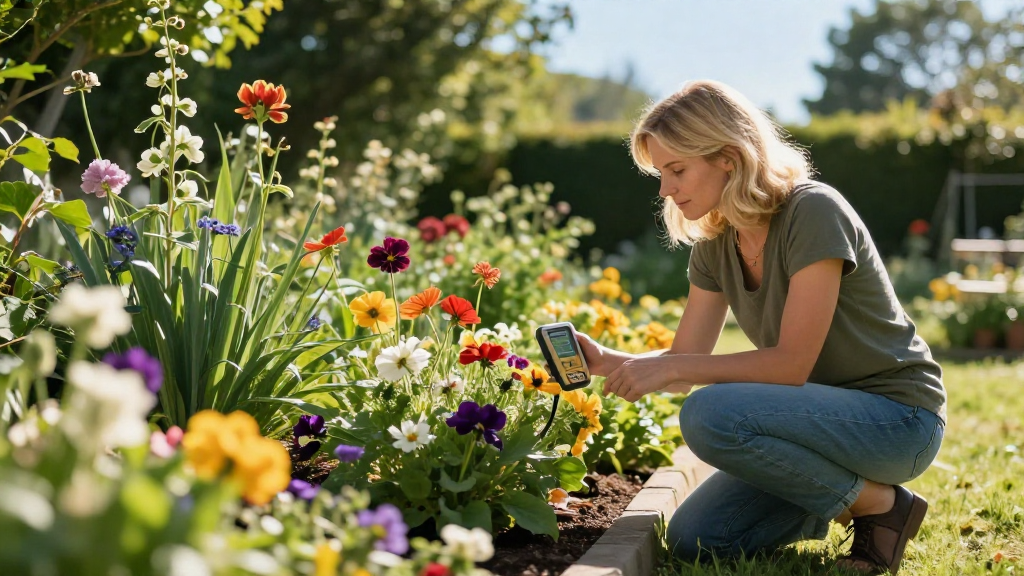
Understanding how to measure sunlight in your garden is crucial for creating a thriving outdoor space.
If you want to cultivate healthy plants that bloom beautifully, knowing how much sunlight your garden receives is essential.
Why is Measuring Sunlight Important?
Measuring sunlight helps you determine the following:
-
Plant Selection: Different plants require different amounts of sunlight. Understanding your garden’s sunlight exposure will help you choose the right plants.
-
Growth Patterns: Knowing how sunlight affects the growth of plants can help you understand their behavior and development.
-
Garden Planning: Effective garden design depends on knowing where the light hits the ground throughout the day.
What Tools Can Help You Measure Sunlight in Your Garden?
When it comes to knowing how to measure sunlight in your garden, there are several tools at your disposal. Here are a few effective options:
-
Sunlight Meters:
– These devices measure the amount of light that reaches your plants.
– They provide readings in foot-candles or lux, helping you understand light intensity. -
Smartphone Apps:
– Various apps can utilize your phone’s sensors to gauge sunlight intensity.
– Popular apps include “Sun Seeker” and “Sun Surveyor.” -
Shade Models:
– Building a physical model with cardboard or stakes can help you visualize the shadows created by trees or structures.
– This is particularly useful for identifying which areas of your garden receive sunlight. -
Simple Observations:
– Spend time in your garden at various times of the day.
– Note the areas that receive direct sunlight versus those that remain shaded.
When is the Best Time to Measure Sunlight?
Timing is everything when you are learning how to measure sunlight in your garden. Consider the following:
-
Morning Light: Generally softer and cooler, morning sunlight is crucial for plants that prefer gentle light.
-
Midday Sun: This is when the sun is at its brightest, providing intense light conditions.
-
Evening Glow: Evening light can be gentler and is an important factor for planning your garden layout.
Measuring sunlight at different times of the day will give you a complete picture of your garden’s light conditions.
How to Document Your Findings
Once you’ve gathered measurements, documenting is key.
Here’s how to effectively keep track of your sunlight measurements:
-
Create a Chart: Design a simple chart or use an app to log your readings.
-
Track Time of Day: Note the specific time you measured the sunlight.
-
Record Weather Conditions: Cloud cover or rain can affect light intensity.
-
Take Photos: Capture images of your garden at different times to visually assess changes in sunlight.
By diligently documenting your findings, you will have a valuable resource for future gardening decisions.
How to Decide on the Best Plants Based on Sunlight
Knowing how to measure sunlight in your garden will help you choose the right plants. Here’s a simple guide:
-
Full Sun (6+ hours of direct sunlight):
– Perfect for vegetables like tomatoes and peppers and flowers such as sunflowers and zinnias. -
Part Sun (4-6 hours of sunlight):
– Ideal for crops like lettuce and broccoli, along with flowers like astilbe and columbine. -
Shade (Less than 4 hours of direct sunlight):
– Suitable for ferns, hostas, and certain varieties of hydrangeas. -
Dappled Sunlight:
– Some plants thrive in light that filters through tree leaves, such as orchids and hellebores.
When selecting plants, always check their sunlight requirements and cross-reference with your measurements.
What Common Mistakes to Avoid When Measuring Sunlight?
When learning how to measure sunlight in your garden, avoid these common pitfalls:
-
Ignoring Seasonal Changes: The angle of the sun changes with seasons; take measurements throughout the year to account for this.
-
Not Considering Surroundings: Trees, fences, or buildings can block sunlight, affecting your measurements.
-
Overlooking Artificial Light: If there’s outdoor lighting in your garden, it can affect plant growth. Make sure you measure natural sunlight alone.
By being aware of these mistakes, you will ensure a more accurate assessment of your garden’s sunlight.
Conclusion
Measuring sunlight in your garden doesn’t have to be a complicated task.
By utilizing the right tools, understanding your garden’s needs, and keeping meticulous records, you can seamlessly learn how to measure sunlight in your garden.
Remember, the more informed you are about your garden’s sunlight conditions, the better choices you can make for vibrant and flourishing plants.
Equip yourself with this knowledge, and your garden will thrive under the sun!