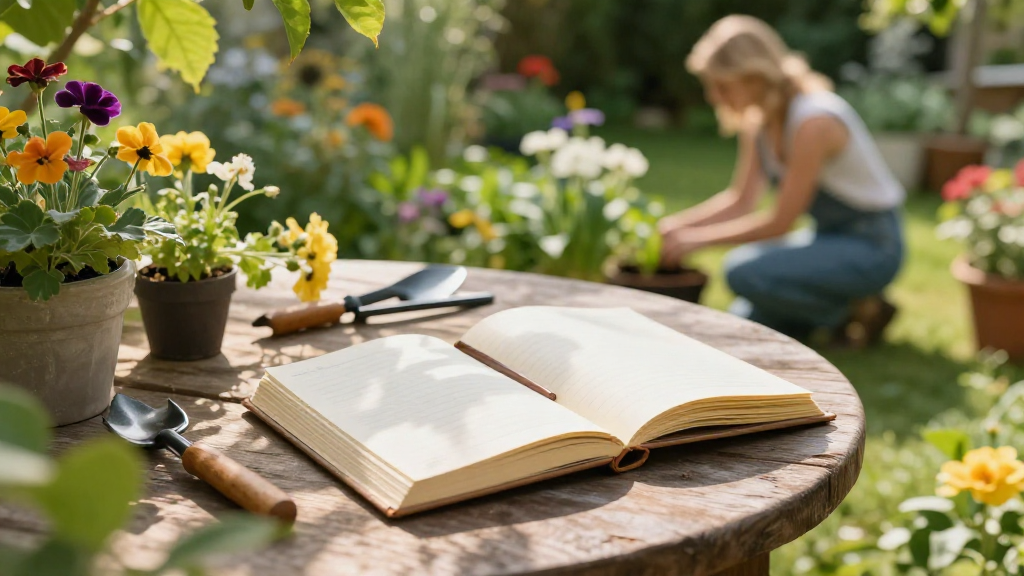
Are you eager to learn how to create a garden journal to track your gardening progress?
Having a garden journal is one of the best ways to document your plant journey, monitor their growth, and improve your gardening techniques over time. In this article, we will explore step-by-step instructions on how to create a garden journal that suits your needs and enhances your gardening experience.
Why Should You Have a Garden Journal?
Creating a garden journal isn’t just about documentation; it offers many advantages, including:
-
Tracking Plant Growth: You can monitor the progress of each plant from seedling to full bloom.
-
Identifying Patterns: By recording data, you can spot what works and what doesn’t in your garden.
-
Reflecting on Seasonal Changes: Observe how different seasons affect your garden.
-
Planning for Future Seasons: Utilize past entries to make informed decisions for the upcoming planting season.
-
Encouraging Creativity: A journal allows you to express your gardening thoughts, ideas, and designs.
Now that you understand the benefits, let’s dive into how to create a garden journal that will help you capture all these aspects effectively.
What Materials Do You Need for Your Garden Journal?
To start your journey into journal-keeping, you’ll need some essential materials:
-
Notebook or Journal: Choose a dedicated journal or a simple spiral notebook. Options include lined, blank, or grid paper, depending on your preference.
-
Writing Utensils: Get pens, pencils, or colored markers to make your entries more vibrant.
-
Camera or Smartphone: Document your plants with photos. You can attach prints in your journal or keep digital records.
-
Ruler or Measuring Tape: Important for noting the size of plants or garden layouts.
-
Plant Tags: These help you remember plant names and varieties.
-
Stickers or Decorative Items: Personalize your journal with creativity.
How to Create a Garden Journal: What Sections Should You Include?
To make your journal comprehensive and organized, consider creating specific sections. Here are some ideas for sections to include in your garden journal:
-
Plant Inventory
– List each plant you grow—including its scientific name, common name, and planting date.
– Indicate the source of your plants (e.g., store, seed swap, etc.) -
Planting Schedule
– Track planting dates for each crop relative to your local climate conditions.
– Include reminders for fertilizing, watering, and maintenance tasks. -
Garden Layout
– Sketch a layout of your garden to visualize where each plant is located.
– Document any changes in your layout over seasons. -
Weather Records
– Note significant weather events like heavy rain or long dry spells.
– Record temperature averages throughout the growing season. -
Growth Progress
– Write down observations about plant growth, health, and any pests found.
– Include photographs of your plants at different growth stages. -
Harvest Records
– Track the date and amount of harvest for each plant—don’t forget to note their taste and quality! -
Reflections and Learnings
– Dedicate a section for reflections on what worked well, what didn’t, and any lessons learned.
How Often Should You Update Your Garden Journal?
When learning how to create a garden journal, consistency is key. Here’s a simple guideline:
-
Weekly Updates: Dedicate at least 15-30 minutes each week to update your journal. This can include documenting growth, weather changes, and any challenges.
-
Seasonal Reviews: At the end of each season, take time to reflect on your journal entries. Look for patterns or anomalies that could inform your next season’s gardening.
-
Monthly Check-Ins: Set aside time once a month to take notes on bigger changes, review your progress, and plan for upcoming tasks or new plantings.
How Do You Make Your Garden Journal Unique?
Your garden journal should be a reflection of your personality and gardening style. Here are ways to make it uniquely yours:
-
Incorporate Art: Use drawings, watercolor paintings, or photographs from your garden to personalize your entries.
-
Use Color Coding: Develop a color-coded system for easy reference. For example, different colors can indicate plant types, conditions, or urgency of tasks.
-
Add Quotes and Inspirations: Include gardening quotes or personal mantras that motivate and inspire you.
-
Stick to a Theme: Whether it’s a vintage aesthetic or a modern minimalist look, stick to a theme throughout your journal for uniformity.
What Digital Tools Can Help in Creating Your Garden Journal?
If you prefer a digital format, various apps and software can help you craft your garden journal. Some popular options include:
-
Evernote: A versatile note-taking app that can organize pictures, notes, and links into easily accessible notebooks.
-
Gardenize: A dedicated gardening app designed for tracking and managing your garden, complete with photo uploads.
-
Trello: A project management tool that can be adapted for tracking planting schedules and tasks visually.
-
Google Sheets / Excel: Both platforms allow for easily customizable databases to log your plants, growth rates, and harvest dates.
How Can a Garden Journal Enhance Your Gardening Skills?
As you master how to create a garden journal, you’ll notice an increase in your gardening skills:
-
Better Decision Making: With documented experiences, you’ll know what works best for your garden and be able to make informed choices.
-
Increased Accountability: A journal keeps you committed to your garden’s upkeep, ensuring that you stay on track with watering, weeding, and harvesting.
-
Enhanced Creativity: Reflecting on past entries will inspire new gardening projects, planting ideas, and innovative designs in your garden.
-
A Rich History: Your garden journal will serve as a historical record of your gardening journey, documenting its ups and downs.
Conclusion: Start Your Garden Journal Today
Creating a garden journal is a rewarding process that not only enhances your gardening experience but also helps track your progress over time. By following the steps outlined in this article on how to create a garden journal, you’ll have a comprehensive tool at your disposal that grows alongside your garden.
So gather your materials, set aside some time, and start tracking your gardening adventure today! Your future self will thank you when you see your progress year after year. Happy gardening!