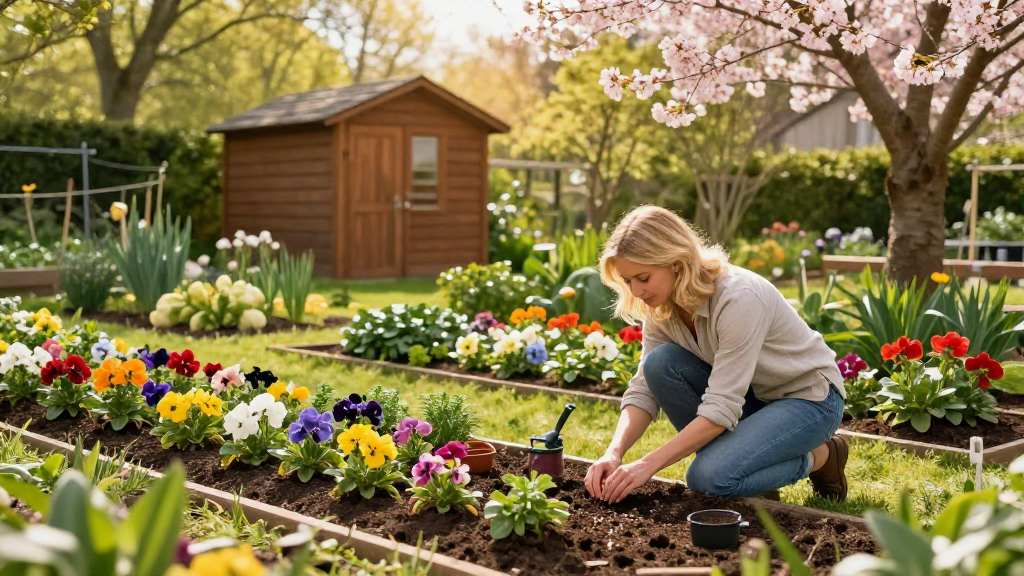
As the cold winter melts away and the sun begins to shine, many gardeners start to think about how to plan garden for spring.
Getting ready for a vibrant and fruitful garden takes careful thought and strategic planning.
In this guide, we’ll walk you through essential steps to ensure your garden flourishes this spring.
Why is Planning Important for Spring Gardening?
Before diving into the details, it’s crucial to understand why proper planning is paramount.
When you know how to plan garden for spring, you avoid common pitfalls such as:
- Overcrowding: Planting too many seeds in a small area can lead to competition for nutrients.
- Poor Timing: Not considering the last frost date can damage young plants.
- Insufficient Resources: Failing to prepare can result in a lack of water, fertilizer, or tools needed for gardening.
With the right planning, you can optimize your garden space, ensure healthy growth, and increase your yield.
What Should You Consider When Planning Your Garden?
When learning how to plan garden for spring, several elements should guide your decisions:
-
Location: Identify where the sunlight hits your garden area throughout the day. Most flowering plants and vegetables require six to eight hours of sunlight.
-
Soil Quality: Assess current soil conditions. Test for pH levels and nutrients to understand what amendments you might need.
-
Plant Selection: Different plants thrive in varying conditions. Select species based on climate, soil, and personal preference.
-
Garden Style: Decide if you want a traditional garden, raised beds, or container gardening based on your space and mobility.
How Do You Organize Your Planting Schedule?
An organized planting schedule is vital in how to plan garden for spring.
Here’s how to create your planting timeline:
-
Research Your Region’s Frost Dates:
– Know the average last frost date in your area.
– Use this information to plan when to start seeds indoors or when to transplant. -
Choose Your Crops Wisely:
– Consider growing cool-season crops like spinach and peas early in the spring.
– Reserve warm-season crops like tomatoes and peppers for after the last frost. -
Prepare Your Timeline:
– Use a planting calendar or digital app to mark important dates.
– For example, you might start seeds indoors six to eight weeks before your region’s last frost date.
How to Design Your Garden Layout?
Creating an efficient garden layout is an integral part of understanding how to plan garden for spring.
Here are some valuable points to include:
-
Use Garden Design Software: Online tools are available. You can drag and drop plants to visualize your layout.
-
Consider Companion Planting: Some plants thrive alongside each other. For example, tomatoes grow well with basil and marigolds.
-
Space Appropriately: Follow the recommended spacing on seed packets for mature plants to avoid overcrowding.
-
Implement Mulching Areas: Designate areas for pathways, which allow easy access to water and care for your plants.
What Materials Do You Need For Successful Gardening?
To successfully execute your spring garden, it’s vital to gather necessary materials.
Here’s a checklist of items you may need:
- Seed Starting Supplies:
- Seed trays
- Seed starting mix
-
Labels
-
Garden Tools:
- Trowels
- Rakes
-
Watering cans
-
Soil Amendments:
- Compost
-
Fertilizers
-
Protective Gear:
- Gardening gloves
- Kneeling pads
How Can You Prepare Your Soil for Planting?
Preparation is key in how to plan garden for spring. Proper soil preparation lays the foundation for healthy plant growth.
Here’s how to optimize your soil:
-
Remove Weeds and Debris: Clear your garden bed of any leftover debris from the previous year.
-
Test Soil: Use a soil testing kit to gauge pH and nutrient levels.
– If your soil is too acidic, consider adding lime.
– For alkaline soil, add sulfur to balance pH levels. -
Incorporate Organic Matter: Mix in compost or well-rotted manure to enhance soil texture and nutrient availability.
-
Tilling: Lightly till the soil to aerate and evenly distribute nutrients.
-
Moisture: Ensure the soil is adequately moist but not soggy.
When is the Best Time to Start Planting Seeds?
Timing your planting is perhaps the most crucial aspect of how to plan garden for spring.
In general:
-
Start Indoors: Begin sowing seeds indoors 6–8 weeks before the last frost date. Ideal plants include peppers, tomatoes, and eggplants.
-
Direct Sowing: Cool-season crops like lettuce and radishes can be sown as soon as the soil can be worked in early spring.
-
Transplanting: After the last frost, gradually acclimate your seedlings by hardening them off outdoors before moving them to your garden.
How to Maintain Your Garden after Planting?
Planning doesn’t end with planting seeds. Regular maintenance is key to ensuring a successful garden.
Here’s how to maintain health post-planting:
-
Watering: Regularly check soil moisture. Most gardens require about 1 inch of water per week.
-
Weed Control: Routinely check for weeds. Mulching can also help suppress weed growth.
-
Pest Monitoring: Inspect plants regularly for signs of pests. Consider organic pest-control options like neem oil.
-
Fertilization: Based on soil tests, fertilize regularly. Avoid over-fertilization which can harm your plants.
Conclusion: Ready to Plan Your Spring Garden?
By following these steps on how to plan garden for spring, you’re setting yourself up for a garden that thrives.
Remember to take your time, consult resources, and be patient with the process.
With a little preparation and knowledge, your spring gardening efforts will yield bountiful rewards.
As you watch your seeds grow into lush plants, the satisfaction gained from nurturing your garden will be unparalleled.
Now, get your hands dirty and enjoy the blooming beauty of your spring garden!