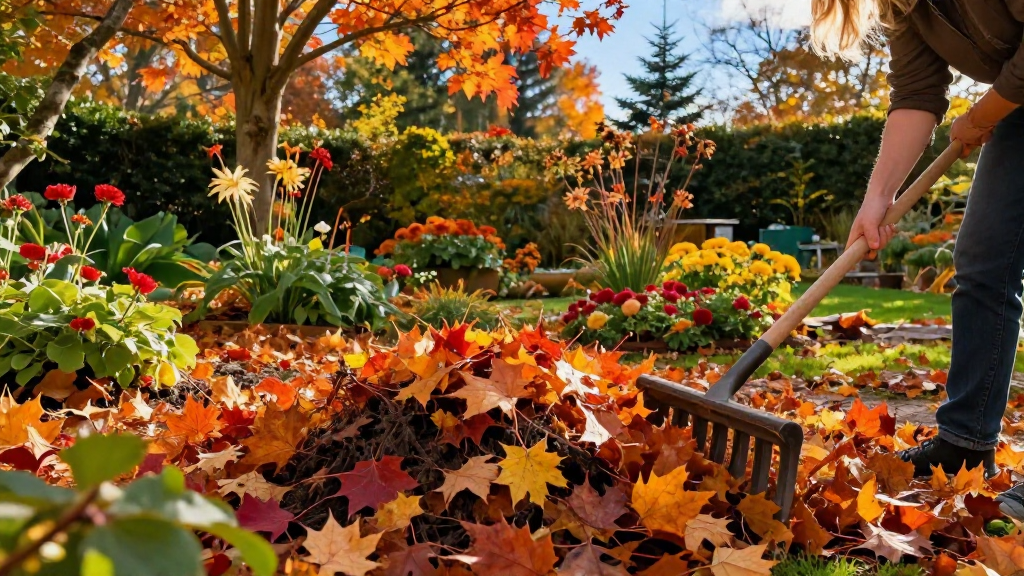
As the vibrant hues of summer fade, many garden enthusiasts ponder how to clean up garden in fall without relying on chemicals.
In this article, we’ll explore various natural techniques and eco-friendly tips to prepare your garden for the upcoming winter months while ensuring a healthy environment.
Why Should You Clean Up Your Garden in Fall?
Cleaning up your garden in fall is crucial for several reasons:
-
Pest Control: Removing fallen leaves and decaying plants helps prevent pests from overwintering in your garden.
-
Disease Prevention: Many plant diseases spread through infected debris. Cleaning up ensures fewer sources for potential pathogens.
-
Soil Health: Adding organic matter through composting enriches your soil and prepares it for spring planting.
By understanding these benefits, you can effectively implement the best practices for how to clean up garden in fall.
What Are the Steps to an Effective Fall Clean-up?
To achieve a thorough garden clean-up without chemicals, follow these steps:
1. Gather Your Tools
Before diving into the garden, make sure you have the right tools on hand:
- Rake
- Pruning shears
- Hand trowel
- Compost bin or pile
- Garden waste bags
2. Remove Debris
Start by raking fallen leaves.
Gather any debris such as:
- Broken branches
- Dead plants
- Weeds
These can harbor pests and diseases, so it’s essential to clear them out.
Tip: Consider using a mulcher attachment for your lawn mower to shred leaves into smaller pieces, which can be beneficial for composting!
3. Cut Back Perennials
Next, determine which perennials need cutting back.
Here’s how to do it safely:
- Identify dead or diseased plant parts.
- Prune them back to the ground level.
- Leave healthy stems, which can provide winter interest and habitat for beneficial insects.
4. Compost Organic Material
Instead of throwing away dead plants and leaves, consider composting.
This process transforms organic waste into nutrient-rich fertilizer for your soil.
-
Create Layers: Mix brown materials (leaves, branches) with green materials (vegetable scraps, grass clippings).
-
Monitor Moisture: Keep your compost damp but not soggy.
Remember, composting is an excellent way to enrich your garden while recycling organic waste!
5. Plant Cover Crops
If you have empty patches in your garden, consider planting cover crops.
These crops, such as clover or rye, serve several purposes:
- Prevent soil erosion.
- Suppress weeds.
- Improve soil structure and fertility.
By planting cover crops, you are taking another step in how to clean up garden in fall, ensuring the health of your soil during the winter months.
6. Mulch Your Garden
Applying a thick layer of mulch is a natural way to prepare your garden for winter.
Benefits of Mulching:
- Insulates root systems from frost.
- Reduces weeds in spring.
- Retains moisture in the soil.
Choose organic mulches such as wood chips, straw, or shredded leaves to improve soil health as they decompose.
How Can You Manage Garden Pests Naturally?
A significant aspect of how to clean up garden in fall is effectively managing pests while avoiding chemicals. Here are some natural strategies:
-
Beneficial Insects: Encourage ladybugs, lacewings, and other beneficial insects that prey on common garden pests.
-
Natural Repellents: Plant herbs like basil or marigold that repel unwanted pests.
-
Physical Barriers: Use row covers or nets to protect your plants from pests without the use of harsh chemicals.
Should You Leave Some Plants Standing?
It may seem counterintuitive, but leaving some plants standing can be beneficial.
Here’s why:
-
Wildlife Habitat: Stems, seeds, and leaves provide shelter and food for birds and beneficial insects.
-
Ecosystem Balance: Leaving some biodiversity helps maintain a balanced ecosystem in your garden.
Evaluate which plants can stay versus those that need to be cut back to optimize your clean-up routine with respect to nature.
How Do You Deal With Weeds in Fall?
Fall is an excellent time to tackle weeds before they have a chance to go to seed.
-
Identify Weeds: Familiarize yourself with common weeds in your area.
-
Hand Pulling: Remove them by hand, making sure to get the entire root system.
-
Mulching: Cover weed-prone areas with mulch to suppress future growth.
By being proactive in how to clean up garden in fall, you’ll have a healthier garden come spring.
Can You Plan for Next Year While Cleaning Up?
Absolutely! Fall clean-up is not just about clearing debris.
It’s also an opportunity to plan for the next growing season:
-
Evaluate Your Layout: Consider whether you want to change the positions of your plants.
-
Soil Testing: Test your soil to determine nutrient levels and amendments needed.
-
Seed Catalogs: Prepare for spring planting by browsing seed catalogs and planning your garden layout.
With careful planning, you can ensure a more productive garden and a smoother transition as the seasons change.
Conclusion: Embrace Natural Alternatives
Cleaning up your garden in fall is an essential task that can be achieved without chemicals.
By following the guidelines provided and focusing on natural methods of pest control, composting, and mulching, you’ll not only prepare your garden for winter but also enhance its long-term health.
Remember to embrace sustainable practices, as they benefit not just your garden but the wider ecosystem.
With this knowledge in hand, you are now equipped to tackle how to clean up garden in fall effectively and sustainably. Happy gardening!