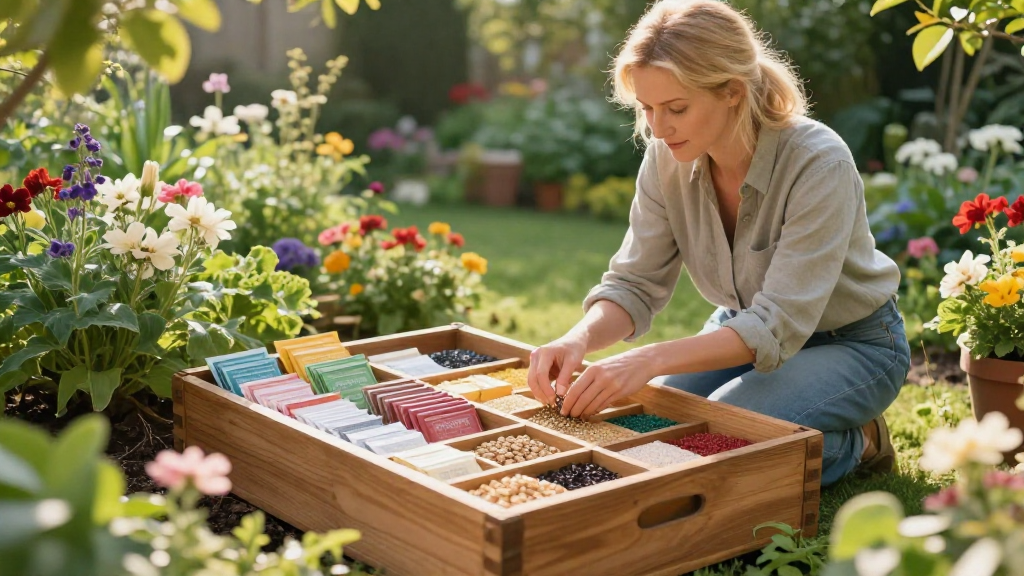
Organizing your garden seeds is essential for any gardening enthusiast. In this guide, we will explore the best methods on how to organize garden seeds efficiently, ensuring you find the seeds you need when planting season arrives.
Why Is It Important to Organize Garden Seeds?
Organizing garden seeds provides several benefits that can significantly enhance your gardening experience.
Here are some key reasons:
-
Saves Time: A well-organized seed collection makes it easier to find the seeds you want.
-
Prevents Waste: Proper organization helps prevent over-purchasing. You can easily see what you already have.
-
Promotes Planning: Knowing what seeds you own allows for better garden planning.
What Are the Best Methods for Organizing Garden Seeds?
When it comes to how to organize garden seeds effectively, several strategies can make the process simple and efficient.
1. Use Seed Envelopes
Seed envelopes are a popular choice for organizing garden seeds.
Benefits:
– Protect seeds from moisture and pests.
– Easy to label and identify.
Steps:
– Collect all your seeds.
– Purchase or make small envelopes.
– Label each envelope with the seed type and year.
– Store them in a designated container.
2. Invest in a Seed Organizer Box
A seed organizer box is a fantastic long-term solution for storing and managing your seeds.
Why Choose a Seed Organizer:
– Durable and often waterproof.
– Comes with dividers to categorize seeds effectively.
How to Use a Seed Organizer Box:
– Sort seeds by type (vegetables, herbs, flowers, etc.).
– Use additional dividers for seasonal planting.
– Keep it in a cool, dry place to prolong seed life.
3. Create a Planting Calendar
Keeping track of when to plant each type of seed can maximize your garden’s productivity.
How to Create a Planting Calendar:
1. List all the seeds you have.
2. Research the optimal planting times for each variety.
3. Create a calendar or use a digital app to set reminders.
4. Organize by Growing Season
Another effective strategy for how to organize garden seeds is to sort them by growing seasons.
Steps:
– Separate seeds into categories: early spring, late spring, summer, and fall plantings.
– Label containers accordingly.
– This allows for quick access during planting times.
5. Utilize Clear Containers
Clear containers are excellent for visual organization.
Advantages:
– Easy to see what’s inside without opening each container.
– Helps to reduce clutter and confusion.
How to Organize with Clear Containers:
– Group seeds in clear jars or bins based on type or growing season.
– Create a master list of what’s in each container for quick reference.
What Tools Can Help You Organize Garden Seeds?
To maximize the efficiency of your organization, consider using these tools:
-
Label Maker: For creating easy-to-read labels for your envelopes and containers.
-
Binder or Folder: For storing seed packets flat and safe.
-
Notebook or Journal: For keeping track of planting dates, germination rates, and notes on each seed’s performance.
How Often Should You Organize Your Seeds?
A common question among gardeners is how often they should review and organize their seed collection.
Recommended Schedule:
- Annually: Go through your seeds at the beginning of each gardening season.
- After Harvest: After your harvest, reevaluate what seeds you have and what needs replacing.
Regular checks will ensure your seeds remain viable and your collection stays up-to-date.
What Should You Do with Old or Expired Seeds?
Not all seeds last indefinitely, and knowing what to do with old or expired seeds is vital for effective gardening.
Options for Expired Seeds:
- Test Germination: Conduct a simple germination test to see if the seeds are still viable.
- Compost: If seeds are truly expired, add them to your compost pile.
- Share: Consider giving them away to friends or community gardens who may want to try their luck!
Conclusion: The Benefits of an Organized Seed Collection
In summary, knowing how to organize garden seeds efficiently is a vital skill for any gardener.
By using methods like seed envelopes, organizer boxes, planting calendars, and clear containers, you significantly enhance your gardening efficiency.
Take the time to develop a system that works for you.
Whether you’re a seasoned gardener or just starting, an organized seed collection will save you time, prevent waste, and promote better planning for your garden.
Take the first step today and reap the benefits of an organized garden seed collection!