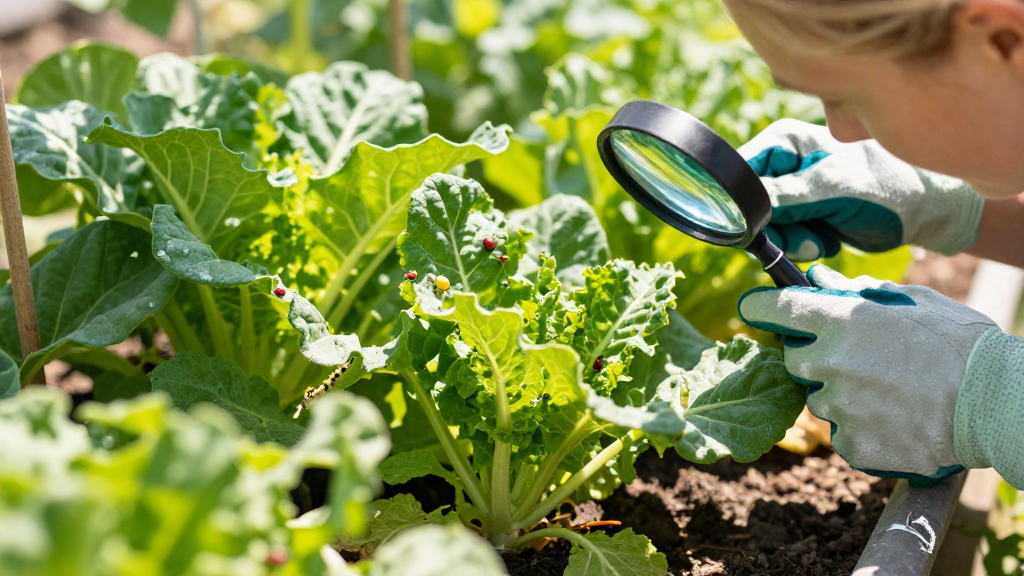
Monitoring garden pests effectively is crucial for maintaining a healthy and productive garden.
Implementing the right strategies will not only protect your plants but also ensure a thriving ecosystem. Here’s how to monitor garden pests and take proactive measures against them.
What are the Signs of Garden Pests?
Understanding how to monitor garden pests starts with recognizing the signs that indicate their presence.
Common indicators include:
- Visible damage on leaves or stems.
- Holes or discoloration on foliage.
- Sticky residue, often indicating aphid or scale infestations.
- Presence of pests themselves, like caterpillars, beetles, or spider mites.
- Webbing or nests, particularly from spiders or other pests.
By observing these signs regularly, you can take timely action to manage pest populations before they escalate.
How to Monitor Garden Pests Effectively?
Now that you know what to look for, let’s discuss how to monitor garden pests effectively. Here are some practical methods:
1. Regular Inspections
Conducting regular inspections of your garden is key to how to monitor garden pests. Make it a habit to check your plants at least once a week.
During your inspection:
- Look under leaves, since many pests hide there.
- Examine soil for any unusual activity or signs of burrowing.
- Use a magnifying glass for detailed examinations.
2. Use Sticky Traps
Sticky traps are great for catching flying pests.
By placing yellow or blue sticky traps around your garden:
- You can monitor pest populations over time.
- Check the traps frequently to assess the level of infestation.
3. Consider Plant and Companion Plant Health
Healthy plants are less likely to attract pests.
By understanding how to monitor garden pests through plant health, you can reduce the probability of infestations:
- Ensure proper nutrition through fertilization.
- Water adequately, making sure not to overwater or underwater.
- Choose companion plants, which may repel pests naturally, like marigolds for nematodes.
4. Utilize Technology
Leveraging technology is an innovative way for how to monitor garden pests.
There are numerous apps and tools available that can help:
- Insect identification apps help you spot pests quickly.
- Camera traps can assess wildlife activity and pest intrusions.
- Smart sensors measure soil moisture and health, making it easier to prevent pest problems.
What Actions Can You Take Against Garden Pests?
Once you’ve monitored and identified pests, it’s time to take action. Here are some effective strategies:
1. Manual Removal
Sometimes the simplest solution is the best one.
For small populations, manually removing pests can be effective:
- Handpick larger pests like caterpillars and beetles.
- Wash off smaller pests like aphids with a strong spray of water.
2. Natural Predators
Encouraging natural predators is another way for how to monitor garden pests.
Beneficial insects like ladybugs and lacewings can help control pest populations:
- Plant flowers that attract these beneficial insects.
- Avoid using broad-spectrum pesticides that can harm them.
3. Organic Pesticides
If the pest problem escalates, consider using organic pesticides.
These are generally safer for the environment and can be less harmful to beneficial insects. Some options include:
- Neem oil: Effective against various pests while being gentle on plants.
- Insecticidal soap: Disrupts pest cell membranes without harming plants.
4. Chemical Solutions
For severe infestations, you might have to resort to chemical solutions.
When considering this route, apply these precautions:
- Research the specific pests you’re targeting.
- Follow instructions carefully to minimize harm to beneficial organisms.
- Rotate pesticides to prevent pests from building resistance.
How Can You Prevent Future Pest Infestations?
Preventing future infestations is as crucial as monitoring garden pests. Here are effective strategies to keep pests at bay:
1. Crop Rotation
Changing the location of plants each season can significantly reduce pest populations.
By avoiding the planting of the same crops in the same spot, you disrupt pest life cycles.
2. Healthy Soil Practices
Healthy soil promotes healthy plants, which can resist pests better.
Implement these practices:
- Add organic matter like compost and well-rotted manure.
- Use mulch to maintain soil moisture and discourage pests.
3. Regular Cleanup
Regular cleanup helps in reducing pest habitats.
Ensure to:
- Remove any dead or decaying plant matter.
- Clean up fallen fruit and debris that can attract pests.
4. Use Pest-Resistant Varieties
Choosing pest-resistant plant varieties is an excellent long-term strategy.
Look for:
- Hybrid varieties that have been bred for pest resistance.
- Native plants adapted to your climate, which can be less prone to infestations.
When Should You Seek Professional Help?
If your efforts to monitor garden pests and manage them are not yielding results, it may be time to seek professional help.
Factors to consider include:
- Severe infestations that seem unmanageable.
- Diseases suspected to be caused by pests.
- Lack of time or resources to engage in pest management yourself.
Pest control professionals can assess the situation and offer tailored strategies for your garden.
Conclusion
Monitoring garden pests and taking timely action is essential to achieving a flourishing garden.
By employing various methods for how to monitor garden pests and implementing effective interventions, you can maintain plant health and enhance your gardening success.
Stay vigilant, act promptly, and adapt your strategies to enjoy a vibrant and pest-free garden!