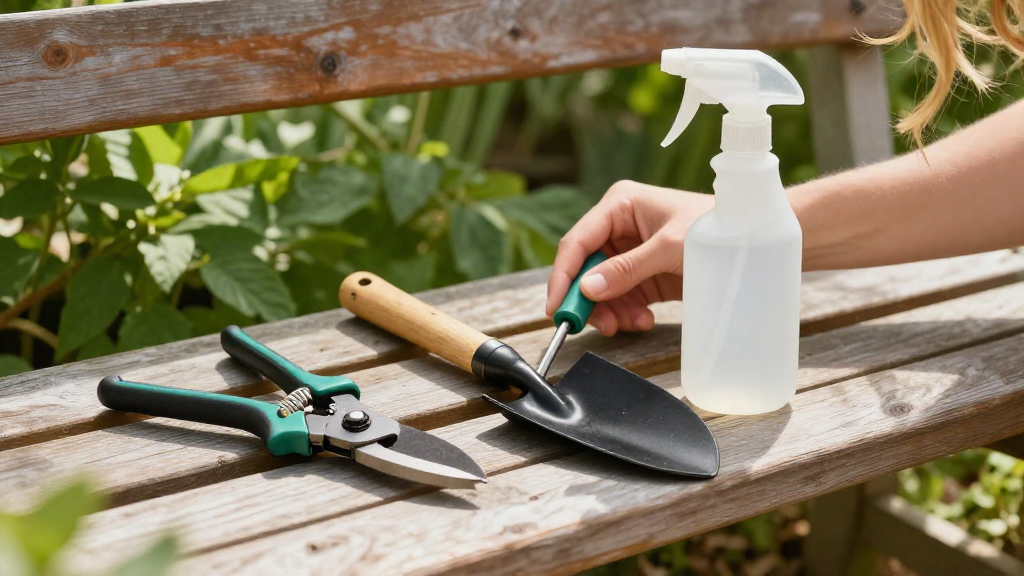
When it comes to maintaining a healthy garden, knowing how to sterilize garden tools is essential. Proper sterilization helps prevent the spread of diseases and pests, ensuring that your plants thrive without contamination.
Why Should You Sterilize Garden Tools?
Sterilizing your garden tools is crucial for several reasons:
- Prevent Disease Spread: Bacteria and fungi can linger on tools and spread to your plants.
- Control Pests: Insects can hitch a ride on dirty tools, leading to infestations.
- Promote Plant Health: Clean tools aid in better care and management of your garden.
By understanding how to sterilize garden tools, you can protect your plants and maintain the vibrancy of your garden.
What Tools Do You Need for Sterilization?
Before diving into how to sterilize garden tools, gather the following items:
- Soapy Water: Gentle soap for cleaning.
- Bleach Solution: A mix of 1 part bleach to 9 parts water for disinfecting.
- Rubbing Alcohol: An effective disinfectant.
- Water: For rinsing.
- Scrub Brush or Sponge: To scrub off dirt and debris.
- Clean Cloth or Paper Towels: For drying and polishing.
- Container: For soaking smaller tools.
How Can You Clean Your Tools First?
Cleaning is the first step in how to sterilize garden tools. Here’s how to do it:
-
Remove Dirt and Debris:
– Use a scrub brush or sponge to remove any dirt, mud, or sap from the tools.
– For stubborn residues, soak the tools in soapy water for a few minutes before scrubbing. -
Rinse Thoroughly:
– Rinse the tools in clean water to ensure all soap and residues are washed away. -
Dry the Tools:
– Wipe the tools with a clean cloth or paper towel to remove excess water.
– Allow them to air dry completely before moving to the disinfection step.
What Disinfecting Methods Can You Use?
Once your tools are clean, you can explore various methods of sterilization. Here are effective techniques on how to sterilize garden tools:
1. Bleach Solution Method
- Mix a solution of 1 part bleach to 9 parts water.
- Immerse smaller tools in this solution for about 10-15 minutes.
- Scrub surfaces with a brush if needed, then rinse thoroughly with water.
- Dry with a cloth before storing.
2. Rubbing Alcohol Method
- Use isopropyl alcohol with a concentration of 70% or higher.
- Soak a clean cloth in rubbing alcohol and wipe down the tools.
- Allow the alcohol to sit on the surface for about 10 minutes for effective disinfection.
- Dry thoroughly after treatment.
3. Vinegar Solution Method
- For a natural alternative, mix equal parts white vinegar and water.
- Soak the tools in the solution for 30-60 minutes.
- Scrub with a brush, then rinse well with water.
- Dry completely before storage.
4. Commercial Disinfectants
- There are several garden tool disinfectants available on the market.
- Follow the manufacturer’s instructions for use and dilution.
- Ensure proper coverage on all surfaces for effective sterilization.
How Often Should You Sterilize Garden Tools?
Understanding how often to sterilize garden tools is just as crucial as knowing how to do it. Here are guidelines:
- After Each Use: If you’re working with plants that are prone to disease, sterilize tools each time.
- At the Start of Each Season: A thorough cleaning before the gardening season begins can prevent issues throughout the year.
- Before Transplanting: Tools that will be used for transplanting should always be sterilized to minimize disease spread.
What Are the Signs That You Need to Sterilize?
Sometimes, it isn’t clear when to sterilize your garden tools. Here are signs that indicate it’s time:
- Visible Dirt or Debris: If your tools look dirty, clean them before using.
- Signs of Plant Disease: If you’ve worked with diseased plants, sterilize your tools promptly.
- Using New Tools: Newly purchased tools should always be cleaned and sterilized before use.
Can You Prevent the Need for Sterilization?
While you may not completely eliminate the need for sterilization, you can certainly make efforts to reduce it. Here are tips on how to lessen sterilization necessity:
- Keep Tools Organized: Store tools in a clean, dry place to avoid contamination.
- Use Separate Tools: Consider having separate tools for different tasks (e.g., one set for healthy plants and another for diseased ones).
- Regular Maintenance: A quick cleaning after each use can significantly reduce the buildup of dirt and pathogens.
Conclusion
Knowing how to sterilize garden tools is vital for maintaining a healthy garden environment. By following the outlined methods—whether using bleach, vinegar, rubbing alcohol, or commercial solutions—you can ensure your tools remain free from disease and pests.
This simple maintenance step can make a significant difference in your plants’ health and productivity.
Remember to stay vigilant about the cleanliness of your tools. Regular cleaning and disinfection can lead to a more fruitful gardening experience overall. Embrace the practice of sterilization, and watch your garden flourish like never before!