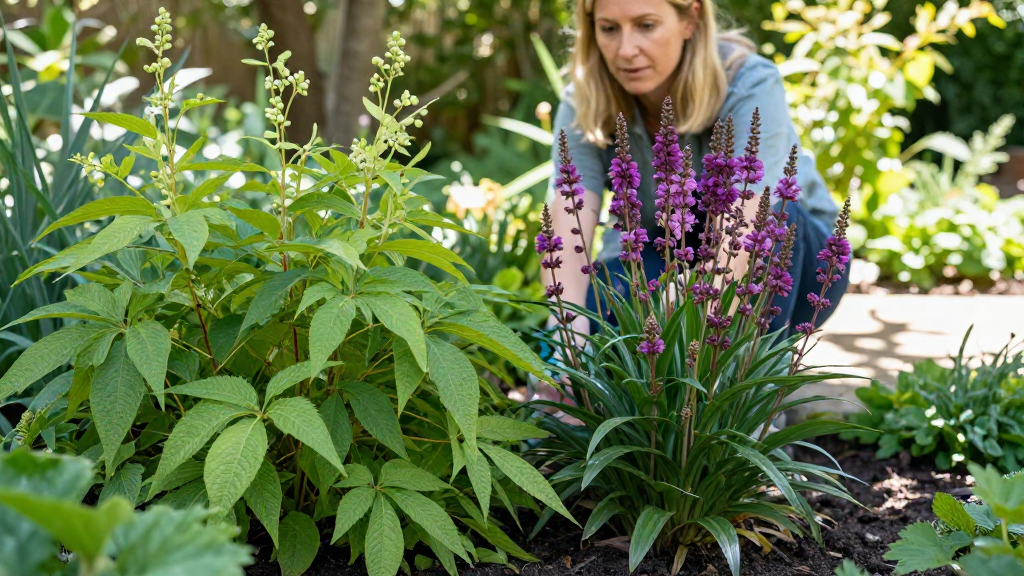
Identifying invasive plants in your garden is essential for maintaining a healthy ecosystem.
Invasive species can outcompete native plants, disrupt local wildlife, and reduce biodiversity.
What Are Invasive Plants?
Invasive plants are non-native species that spread aggressively in new environments.
They often thrive in conditions where native plants struggle, leading to the displacement of indigenous flora.
Understanding what qualifies as an invasive plant is the first step in learning how to identify invasive plants.
Why Should You Identify Invasive Plants?
Identifying invasive plants is critical for several reasons:
- Ecological Balance: Invasive plants can upset local ecosystems, harming native species and diminishing biodiversity.
- Garden Health: They often require more resources like water and nutrients, which can stress your garden.
- Aesthetic Appeal: Invasive plants can take over, making your garden look unkempt or wild.
How to Identify Invasive Plants in Your Garden?
Identifying invasive plants in your garden involves a series of steps.
Here’s a concise guide on how to identify invasive plants effectively:
-
Know the Characteristics:
- Invasive plants are usually fast-growing and spread quickly.
- They may produce a large quantity of seeds or reproduce vegetatively, leading to dense populations.
-
Observe Growth Patterns:
- Take note of any plants that crowd out native species.
- Look for plants that seem to thrive without much care, especially if they are not in the original landscaping plan.
-
Identify Local Invasive Species:
- Familiarize yourself with local invasives.
- Some common invasive plants include:
- Japanese Knotweed: Recognizable by its bamboo-like stems.
- English Ivy: A climbing vine that can suffocate trees.
- Purple Loosestrife: Noted for its vibrant purple flowers but harmful to wetlands.
-
Online Resources and Apps:
- Use plant identification apps or websites that provide information about local flora.
- Websites like the National Invasive Species Information Center can be invaluable for identifying invasives specific to your region.
-
Consult Local Experts:
- Contact local garden clubs, cooperative extensions, or environmental organizations for advice and resources.
- Many regions offer workshops on how to identify invasive plants and how to manage them.
What Are the Signs of Invasive Plants?
Knowing how to recognize the signs of invasive plants is crucial for early intervention. Here are key characteristics to look for:
-
Aggressive Growth Habits: If a plant is growing rapidly, taking over space, or flowering earlier than usual, it may be invasive.
-
Unusual Seed Production: Invasive plants often produce large numbers of seeds that can be carried by wind, water, or animals.
-
Unique Leaves and Flowers: Many invasives have distinctive leaf shapes or flower colors that can help in identification.
-
Root System: Some invasive plants feature extensive root systems that help them absorb nutrients efficiently while out-competing native plants.
How to Remove Invasive Plants from Your Garden?
Once identified, it’s vital to manage invasive plants promptly. Here’s how:
-
Manual Removal:
- For small infestations, hand-pulling can be effective.
- Ensure you remove the entire root to prevent regrowth.
-
Cutting and Pruning:
- For larger plants, cutting them back can help, but be aware that many invasive plants can resprout from cut stems.
-
Chemical Controls:
- Use herbicides responsibly, ensuring they won’t harm surrounding plants or wildlife.
- Target only the invasive species and follow the manufacturer’s instructions carefully.
-
Mulching:
- Applying mulch can suppress invasive plant growth by blocking sunlight and retaining moisture for desired plants.
-
Replanting:
- Replacing invasive species with native plants can help restore ecological balance and provide habitat for local wildlife.
When Should You Be Concerned?
Not all non-native plants are invasive.
Native versus invasive can sometimes be a grey area.
Concern should arise when:
-
The non-native plant is displacing native flora.
-
It exhibits vigorous growth and reproductive capabilities that threaten biodiversity.
How to Prevent Invasive Plants from Taking Over?
Prevention is key in managing invasive plants successfully. Follow these steps for effective prevention:
-
Choose Native Plants: When landscaping, opt for native species that support local wildlife and ecosystems.
-
Educate Yourself and Others: Knowledge is power. Share information about invasive species with your gardening community.
-
Regular Maintenance: Regularly inspect your garden and remove any potential invasive plants early.
-
Clean Gardening Tools: Ensure that tools and equipment are free of seeds or plant fragments that could introduce invasives to your garden.
Conclusion
Identifying invasive plants in your garden is a crucial skill for every gardener.
With the proper knowledge and techniques, you can protect your garden’s health and maintain its beauty.
Remember, educating yourself on how to identify invasive plants not only benefits your garden but also contributes to the greater ecological community.
By staying vigilant and proactive, you can ensure that your garden remains a thriving sanctuary for native plants and wildlife.
Additional Resources
- National Invasive Species Information Center: https://www.invasivespeciesinfo.gov
- Local Cooperative Extension Offices: Search for local resources online to find information tailored to your area.
- Plant Identification Apps: Consider apps like PlantSnap or Seek by iNaturalist for quick identification.
By leveraging these strategies and resources, you can become skilled in how to identify invasive plants and effectively manage your garden’s health.