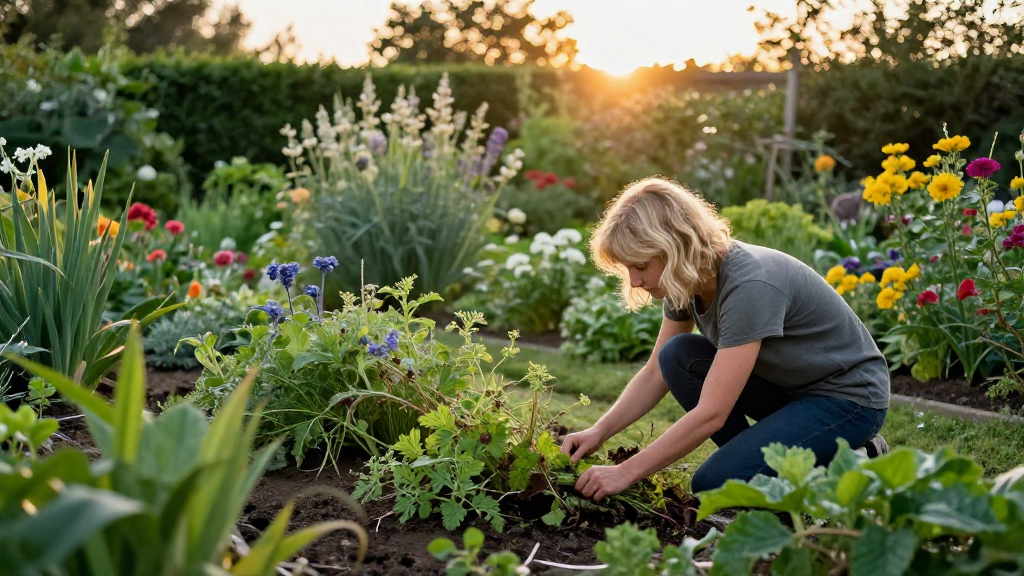
Removing invasive weeds can be a daunting task, but with the right methods, you can control these unwanted plants without resorting to herbicides.
What Are Invasive Weeds?
Invasive weeds are non-native plants that establish themselves aggressively in new environments.
They often outcompete local vegetation for resources, are difficult to manage, and can lead to reduced biodiversity.
Common types of invasive weeds include:
- Dandelions
- Japanese Knotweed
- Crabgrass
- Bindweed
- Purple Loosestrife
Understanding what you’re up against is crucial in how to remove invasive weeds effectively.
Why Avoid Herbicide?
Many gardeners and landscape managers are increasingly concerned about the environmental impact of herbicides.
Herbicides can contaminate groundwater, harm beneficial insects, and disrupt local ecosystems.
By opting for organic methods, you not only protect the environment but also promote a healthier garden ecosystem.
How to Remove Invasive Weeds: Effective Strategies
Now that we understand the importance of avoiding herbicides, let’s explore several effective strategies on how to remove invasive weeds naturally:
1. Manual Removal: Is It Effective?
Manual removal is one of the most straightforward methods of controlling invasive weeds.
Benefits of this method include:
- Immediate results: You remove the weed entirely.
- Targeted action: You can focus on specific weeds, preventing harm to nearby plants.
Steps for Manual Removal:
-
Use the Right Tools: A trowel, hoe, or weed puller can help dig deep roots out.
-
Water the Area First: Moist soil makes it easier to pull out weeds along with their roots.
-
Pull at the Right Time: Best done after rain, early morning, or late afternoon to avoid the heat.
Consistent monitoring and removal of new growth are essential for long-term success.
2. Mulching: How Does It Help?
Mulching is an effective way to smother invasive weeds.
By applying a layer of organic or inorganic material, you prevent weeds from receiving sunlight, thus inhibiting their growth.
Types of Mulch:
-
Organic Mulch: Bark chips, straw, or shredded leaves break down over time, enriching the soil.
-
Inorganic Mulch: Plastic sheets or landscape fabric can provide long-lasting protection.
How to Mulch Effectively:
- Clear the area of existing weeds.
- Lay down a landscaping fabric if using inorganic mulch.
- Apply a 2-4 inch layer of your mulch of choice.
Regularly check under the mulch and replenish when necessary.
3. Cover Crops: Can They Help?
Using cover crops is an innovative strategy to outcompete invasive weeds.
Cover crops such as clover or vetch can grow in the same space as weeds and suppress their growth through competition.
Benefits of Cover Crops:
- Improve soil health
- Enhance biodiversity in the garden
- Prevent erosion
How to Use Cover Crops:
-
Select Appropriate Crops: Choose cover crops that are compatible with your local climate.
-
Plant at the Right Time: Early spring or fall is ideal for cover crops.
-
Mow Them Down: Before they go to seed, mow the cover crops to maintain control over invasive weeds.
4. Natural Herbicides: Are They Effective?
For those seeking a middle ground, natural herbicides like vinegar or salt-based solutions can be effective in how to remove invasive weeds.
These alternatives are less harmful to the environment yet potent enough to control unwanted plants.
Common Natural Herbicides:
-
Vinegar: The acetic acid content can kill weeds on contact, especially when used in summer.
-
Boiling Water: Pouring boiling water directly on the weeds can effectively kill them.
Tips for Application:
- Apply during sunny days for maximum effectiveness.
- Avoid over-application to prevent harming desirable plants.
5. Companion Planting: Can This Help?
Companion planting is a strategy where plants that deter invasive weeds are grown alongside them.
Examples of Companion Plants:
- Marigolds deter nematodes and some insects.
- Sage and rosemary can outcompete certain weeds due to their dense growth.
How to Implement Companion Planting:
-
Research Compatible Plants: Understand which plants can aid in controlling specific invasive weeds.
-
Plant Proactively: Integrate companion plants into your garden’s layout for maximum benefit.
-
Monitor Health: Ensure that both companions and your primary crops are thriving together.
How to Maintain a Weed-Free Environment
Preventing the future growth of invasive weeds is just as important as removing them. Here are essential tips to maintain a healthy garden:
-
Regularly Monitor: Inspect your garden frequently for any signs of new weed growth.
-
Prompt Removal: Remove young weeds as soon as you spot them to prevent establishment.
-
Healthy Soil Practices: Enrich your garden’s soil with compost to encourage robust plant growth that can outcompete weeds.
-
Garden Design: Plan your garden layout to minimize open spaces that invasive weeds can inhabit.
Conclusion
Knowing how to remove invasive weeds effectively requires a combination of techniques and a proactive approach.
By employing manual removal, mulching, the use of cover crops, and natural herbicides, you can develop a comprehensive strategy that avoids harmful chemicals while promoting a thriving ecosystem.
Stay vigilant, maintain your garden, and soon enough, you will enjoy a flourishing environment free of invasive weeds! By using these methods, you contribute to a healthier earth and gardens that flourish naturally.