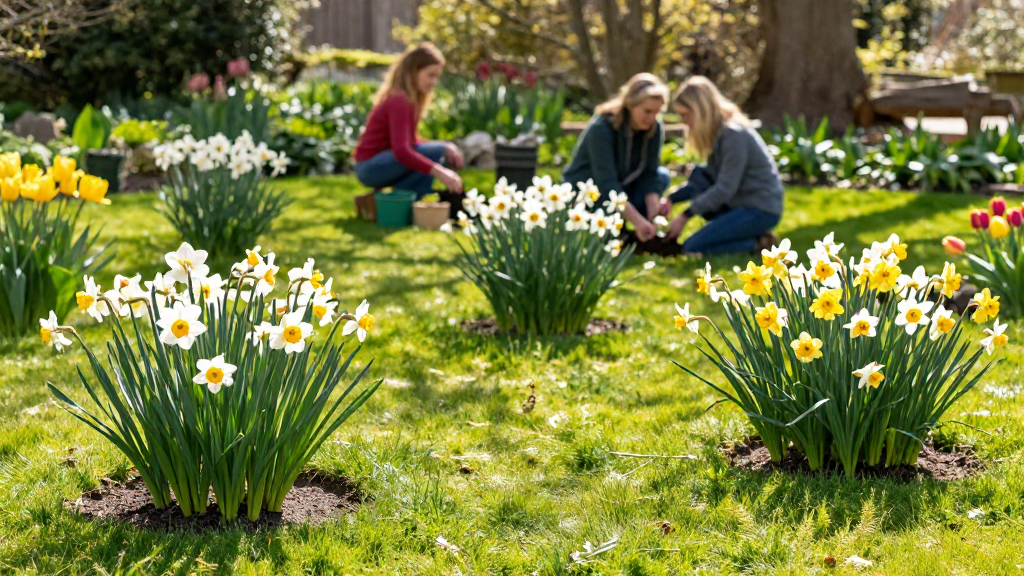
Naturalizing bulbs in your lawns and gardens can bring vibrant colors and a touch of wild beauty to your outdoor spaces.
In this article, we’ll explore how to naturalize bulbs effectively, covering the best practices, bulb selection, planting tips, and how to maintain these beautiful blooms for years to come.
What Does It Mean to Naturalize Bulbs?
Naturalizing bulbs refers to the process of planting bulbs in such a way that they can grow and propagate freely over time.
This means selecting bulbs that are well-suited for your climate and soil conditions, as well as planting them in locations where they can thrive without much intervention.
Naturalized bulbs typically multiply and spread, creating a delightful, organic look that mimics the beauty of wildflower meadows.
Which Bulbs are Best for Naturalizing?
When considering how to naturalize bulbs, it’s important to choose the right species. Some bulbs are better suited for naturalizing due to their ability to multiply and adapt to different environments.
Here are some popular options:
- Daffodils: Known for their hardiness and ability to naturalize easily.
- Crocus: These early bloomers are perfect for naturalizing in sunny spots.
- Species tulips: Smaller than traditional tulips, they tend to multiply well and return each year.
- Wild garlic: Adds a delightful fragrance and is excellent for naturalizing.
- Snowdrops: These gentle spring flowers are among the first to bloom and are perfect for naturalizing in shaded areas.
How to Choose the Right Location for Naturalizing Bulbs?
Finding the right location is crucial when learning how to naturalize bulbs. Here are some tips for selecting the ideal spot:
-
Look for Natural Areas: Seek out places that already have a somewhat wild or relaxed feel, such as under trees, along paths, or in grass nooks.
-
Assess Sunlight: Different bulbs have varying light requirements.
- Full sun: Ideal for daffodils and many tulips.
-
Partial shade: Great for snowdrops and some crocus species.
-
Check Soil Type: Ensure the soil is well-draining and suitable for the type of bulbs you choose.
- Heavy clay: May require amendments for bulbs that prefer loose soil.
-
Sandy soil: Can be beneficial for bulbs that thrive in well-draining conditions.
-
Consider Watering Needs: Understand the local rainfall and drainage of your chosen location. Bulbs generally dislike standing water.
When is the Best Time to Plant Bulbs?
Understanding when to plant your chosen bulbs is key to achieving success in naturalizing.
- Fall Planting: Most bulbs, including daffodils, tulips, and crocus, should be planted in fall months, typically from September to November, before the ground freezes.
- Spring Planting: Some bulbs, such as summer-flowering alliums, are best planted in spring once the soil has warmed.
It’s important to follow the specific planting instructions for each bulb type for optimal results.
How Deep Should You Plant Bulbs?
The planting depth is a crucial element in how to naturalize bulbs.
Here’s a quick guide on planting depths for various species:
- Daffodils and Tulips: Plant these bulbs about 6-8 inches deep.
- Crocus: These should be planted about 3-4 inches deep.
- Alliums: Position them approximately 4-6 inches deep.
- Snowdrops: These delicate bulbs can be planted 3-4 inches deep.
Remember to always plant them pointed end up!
What Should You Do After Planting Bulbs?
Once you have successfully planted your bulbs, there are a few important steps to maximize their potential and ensure they thrive:
-
Water Thoroughly:
– Water the area immediately after planting to help settle the soil around the bulbs.
– Ensure consistent moisture, especially during dry spells. -
Mulch:
– Apply a layer of mulch (about 2-3 inches) to maintain soil moisture and suppress weeds.
– Use organic mulches like shredded bark or straw for the best results. -
Fertilize Sparingly:
– If your soil is nutrient-poor, consider using a low-nitrogen, slow-release fertilizer when you plant.
– Be cautious, as too much fertilizer can do more harm than good.
How Do You Maintain Naturalized Bulbs Over Time?
Once you’ve mastered how to naturalize bulbs, ongoing maintenance is key to ensuring their longevity and beauty. Here are some tips for maintaining your naturalized bulbs:
- Allow Foliage to Die Back Naturally:
-
After blooming, allow the leaves to wither and die back naturally. This process helps the bulb store energy for the next season.
-
Avoid Overcrowding:
-
Periodically check on your bulbs; if they start to overcrowd, consider transplanting some to another area.
-
Water if Necessary:
-
During particularly dry spells in spring, ensure your bulbs receive sufficient moisture.
-
Remove Weeds:
-
Keep the area clear of weeds that can compete with your bulbs for nutrients and water.
-
Observe for Pests:
- Regularly check for signs of pests or disease, and act quickly if you notice any issues.
Can You Naturalize Bulbs in Grass?
Absolutely! Naturalizing bulbs in your grass is a wonderful way to tie garden beds and lawns together.
Here’s how:
- Choose the Right Bulbs: Pick species that can tolerate mowing; daffodils and crocus are excellent options.
- Plant Sparingly: Spread bulbs throughout the lawn without clustering to ensure they can multiply naturally.
- Mow After Blooming: Wait until the foliage has turned yellow before mowing to give bulbs energy for the following year.
Final Thoughts on How to Naturalize Bulbs
Learning how to naturalize bulbs opens up numerous possibilities for spectacular floral displays in your gardens and lawns.
By selecting the right species, planting properly, and maintaining the area, you can create a vibrant and low-maintenance garden that blooms beautifully year after year.
By committing to these practices, you will not only enhance the aesthetic appeal of your landscape but also contribute positively to the local ecosystem.
Happy planting!