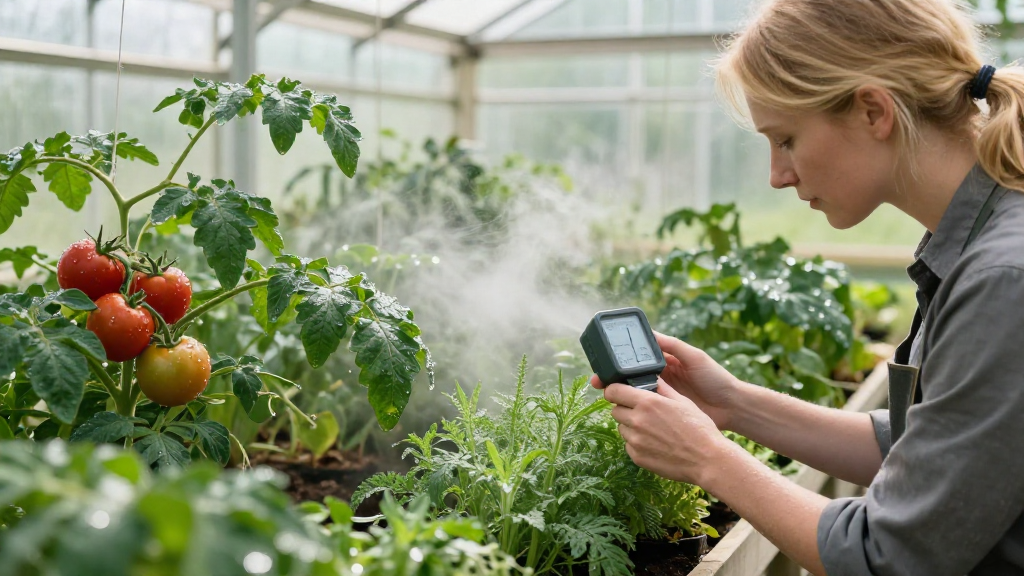
Managing humidity in greenhouse gardening is crucial for the health of your plants.
In this article, we will explore effective strategies for how to manage humidity in greenhouse environments, ensuring your plants thrive.
What is Humidity and Why Does It Matter?
Humidity refers to the amount of moisture present in the air.
In greenhouse gardening, maintaining optimal humidity levels is essential because:
- High humidity can promote diseases such as powdery mildew and root rot.
- Low humidity may lead to dehydration and stress among plants.
- Proper humidity levels enhance photosynthesis, leading to healthier growth.
Understanding these factors is the first step towards effectively managing humidity in your greenhouse.
What are the Ideal Humidity Levels for Greenhouses?
Understanding the ideal humidity levels is critical.
Typical humidity levels should range between:
- 40-60% for most vegetables
- 60-80% for tropical plants
Monitoring these levels will help you determine the necessary actions to take in how to manage humidity in greenhouse situations.
How Can You Measure Humidity in Your Greenhouse?
To manage humidity effectively, you first need to measure it accurately.
You can use various tools to monitor humidity levels in your greenhouse, including:
- Hygrometers: Essential instruments that measure humidity. Digital hygrometers provide precise readings, while analog ones are also available.
- Thermo-hygrometer: Combines temperature and humidity measurements for convenience.
Regularly checking these readings will give you a clear idea of the environment in your greenhouse, allowing for timely action.
What Are the Best Ways to Control Humidity?
There are several methods to keep humidity levels in check. Here are some effective strategies:
1. Ventilation
Good airflow is key to managing humidity.
- Install vents: Roof and side vents can release excess humidity.
- Use exhaust fans: This can significantly enhance airflow, especially during warm, humid days.
Proper ventilation helps to reduce moisture buildup in the air while ensuring proper gas exchange for your plants.
2. Dehumidifiers
Using a dehumidifier is a more active way to manage humidity.
- Portable dehumidifiers are effective for small greenhouses.
- For larger spaces, consider whole-house dehumidifiers designed to regulate the entire environment.
These machines can remove excess moisture from the air, maintaining optimal humidity levels.
3. Watering Practices
Watering practices can greatly influence humidity levels.
Consider the following strategies:
- Water early in the day: This reduces evaporation and moisture levels during the evening when temperatures cool.
- Use drip irrigation: This method delivers water directly to the base of the plants, minimizing excess moisture in the air.
4. Plant Placement
Your greenhouse layout can also affect humidity.
- Avoid overcrowding: Ensure adequate spacing between plants for proper air circulation.
- Group similar plants: Different plants have varying humidity requirements, so placing similar ones together can help you manage conditions more effectively.
5. Use Climate Control Systems
Climate control systems are advanced solutions designed to maintain optimal conditions in your greenhouse.
- Automated systems: These can monitor humidity and activate fans, heaters, or dehumidifiers as needed.
- Smart greenhouse technology: This uses sensors and climate control mechanisms to create an ideal growing environment.
Investing in such technology can streamline how to manage humidity in greenhouse environments.
How Does Temperature Affect Humidity in Your Greenhouse?
Temperature plays a crucial role in humidity levels.
As temperature rises, moisture retention increases, causing higher humidity.
Conversely, cooler temperatures can lower humidity.
To maintain a balanced ecosystem:
- Use heaters during colder months: This helps prevent extreme drops in temperatures and, consequently, humidity levels.
- Shade cloths: During hotter months, using shade cloth can reduce temperature spikes and help manage humidity effectively.
Can Plants Help Control Humidity?
Interestingly, plants themselves can contribute to humidity regulation.
- Transpiration: Plants release moisture through their leaves, which can aid in maintaining higher humidity levels.
- Diverse plant varieties: Including both high and low humidity-sensitive plants can create a balance in moisture levels.
Consider including ferns or peace lilies, which thrive in humid environments, alongside your primary crops.
What Common Mistakes to Avoid in Humidity Management?
Managing humidity efficiently requires understanding common pitfalls to avoid.
Here are some frequent mistakes:
- Ignoring temperature fluctuations: Changes in temperature can drastically affect humidity levels.
- Overwatering: Excessive watering can lead to high humidity, creating an environment ripe for diseases.
- Neglecting regular maintenance: Failing to check and maintain ventilation and humidity control tools can lead to fluctuating conditions.
By avoiding these mistakes, you can improve your success in how to manage humidity in greenhouse gardening.
Conclusion
Successfully managing humidity in greenhouse gardening involves a multifaceted approach, including measuring humidity, implementing control methods, and understanding how different factors interact.
By utilizing ventilation, dehumidifiers, and fine-tuning your watering practices, you can create a thriving environment for your plants.
Remember, consistent monitoring and adjustments will lead to optimal outcomes in your gardening endeavors.
With the right knowledge and tools, you can master how to manage humidity in greenhouse settings effectively!
By applying these strategies, you are not just protecting your plants but also enhancing their growth potential, creating a successful and fruitful gardening experience.