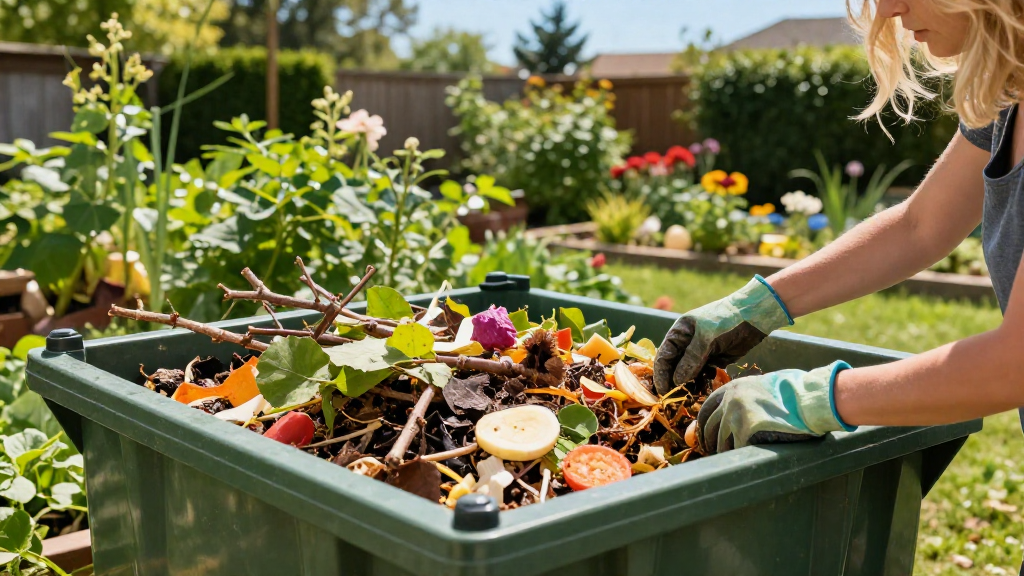
Recycling garden waste is essential for maintaining a sustainable environment while enriching your garden. In this article, we’ll explore practical and effective ways how to recycle garden waste at home.
What is Garden Waste?
Garden waste encompasses any organic material generated from gardening activities, including:
- Leaves and grass clippings: These are usually produced during regular lawn maintenance.
- Branches and twigs: Pruning trees and shrubs leads to smaller branches being discarded.
- Flowers and plants: Dead plants or flowers, along with excess vegetation, contribute significantly to garden waste.
- Weeds: Unwanted plants often find their way into the compost pile.
Why Should You Recycle Garden Waste?
Knowing how to recycle garden waste is vital for several reasons:
- Environmental Benefits: Reducing landfill waste and greenhouse gas emissions.
- Cost-Effective: Saving money on garden supplies and reducing waste disposal fees.
- Soil Enrichment: Contributing nutrients back into your garden soil.
How to Recycle Garden Waste: What Can You Compost?
Composting is one of the simplest ways how to recycle garden waste. However, not all garden waste can be composted. Here are items that can be added to your compost pile:
Yes to Composting:
- Green waste: Fresh grass clippings, plant trimmings, and vegetable scraps.
- Brown waste: Dry leaves, newspaper, and shredded cardboard.
- Coffee grounds and filters: A great source of nitrogen.
- Eggshells: Providing calcium to your garden.
No to Composting:
- Meat and dairy: Attract pests and generate odors.
- Weeds with seeds: Risk of replanting invasive species.
- Diseased plants: Can spread bacteria and pests.
What are the Steps to Start a Compost Pile?
To successfully learn how to recycle garden waste through composting, follow these simple steps:
- Choose a location: Pick a dry, shady spot near your garden.
- Build or buy a compost bin: Consider wooden pallets or wire mesh.
- Layer your materials: Start with a layer of coarse materials (twigs) followed by green waste and then brown waste.
- Moisten: Add water to maintain moisture but avoid making it too soggy.
- Turn the pile regularly: This aerates the compost, speeding up the decomposition process.
- Monitor your compost: Check the temperature and moisture, and make adjustments as needed.
What are Additional Ways to Recycle Garden Waste?
Besides composting, there are numerous other methods how to recycle garden waste at home. Here are a few creative ideas:
Mulching
- Benefits: Helps retain soil moisture, suppresses weeds, and enriches the soil.
- How to do it: Shred leaves and grass to create mulch. Spread it around your plants.
Creating Leaf Mold
- Benefits: Improves soil structure and increases moisture retention.
- How to do it: Pile up leaves in a corner of your garden, keep them moist, and let them decompose for a year.
Reusing Materials for Garden Projects
Turn garden waste into useful items and tools:
- Plant supports: Use sturdy sticks or branches.
- Garden paths: Use old bricks, stones, or decomposed branches.
- Natural dyes and inks: Some plants can be used to create organic colors for fabric.
What Tools Do You Need?
Understanding how to recycle garden waste effectively involves having the right tools. Here’s a list of essential items:
- Garden fork: For turning compost and aerating the pile.
- Compost bin: For organizing waste and improving aesthetics.
- Shovel: For moving compost and soil.
- Mulcher: A valuable tool for turning debris into mulch.
- Rake: To gather leaves and clippings.
How to Manage Your Garden Waste in Different Seasons?
Different seasons bring unique challenges and opportunities related to garden waste. Here’s how to recycle garden waste for each season:
Spring
- What to do: Start your compost pile as you clean up from winter.
- Top Tip: Collect green waste from spring growth for quick composting.
Summer
- What to do: Maintain your compost pile as you produce more green waste.
- Top Tip: Shred dry leaves from summer trees for quicker decomposition.
Autumn
- What to do: Utilize fallen leaves for both composting and mulching.
- Top Tip: Create leaf mold with excess leaves collected from your yard.
Winter
- What to do: If conditions allow, continue adding kitchen scraps to your compost.
- Top Tip: Insulate your compost pile with straw to maintain warmth during the cold months.
What Common Mistakes Should You Avoid?
When recycling garden waste, certain pitfalls can hinder your efforts. Here’s a few common mistakes and how to avoid them:
-
Overloading with one type of material: This can lead to imbalance. Aim for a mix of greens and browns.
-
Neglecting moisture: Too dry? Add water. Too wet? Turn it more often to allow aeration.
-
Ignoring pests: If you see pests, ensure your compost is well-aerated and you’re not adding meat or dairy products.
Conclusion: How to Recycle Garden Waste Effectively
Learning how to recycle garden waste is not only beneficial for the environment but also for the health of your garden.
By composting, mulching, reusing, and managing your garden waste throughout the seasons, you can create a sustainable cycle that enhances your gardening experience.
Adopting these practices ensures your garden thrives while contributing positively to the planet.
Start your journey towards a greener home today. Happy gardening!