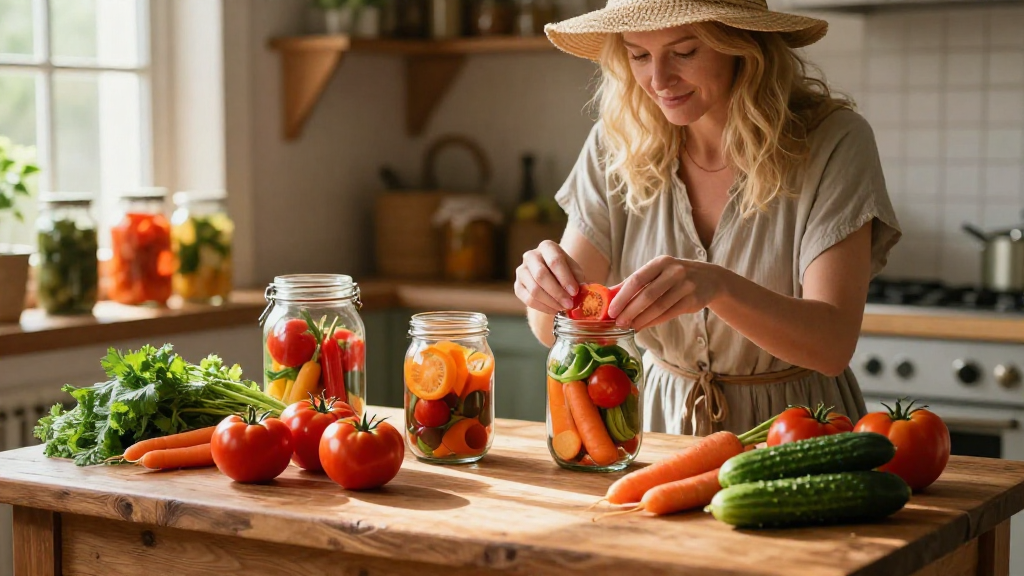
If you’re a gardening enthusiast, you’ve likely wondered how to can garden vegetables to preserve the fruits of your labor for later enjoyment. Canning is an excellent way to extend the life of your fresh produce while retaining its flavors and nutrients. In this guide, we’ll walk you through the steps of safe canning practices, so you can enjoy your garden harvest all year round.
What Equipment Do You Need for Canning?
When learning how to can garden vegetables, having the right equipment is crucial for success. Here’s a checklist of what you’ll need:
-
Canning Jars: Use glass jars specifically designed for canning, which come in various sizes. Make sure they are free from cracks.
-
Lids and Bands: You’ll need new lids for each use to ensure a proper seal. Bands are reusable if they are not damaged.
-
Water Bath Canner or Pressure Canner: The method you choose depends on the type of vegetables you are canning. A water bath is suitable for high-acid foods, while a pressure canner is necessary for low-acid foods.
-
Canning Tools: Essential tools include a jar lifter, funnel, and bubble remover (or spatula) to help with the canning process.
-
Labels and a Marker: After canning, it’s a good practice to label your jars with the date and contents for easy reference later.
Which Vegetables Are Best for Canning?
When exploring how to can garden vegetables, knowing which varieties preserve well is important. Generally, most garden vegetables can be canned, but here’s a list of the best candidates:
-
Green Beans: A favorite choice, especially when pickled or canned with herbs.
-
Tomatoes: While they are technically a fruit, tomatoes are incredibly versatile in canning, perfect for sauces, soups, or salsas.
-
Carrots: Easy to prepare and can add great flavor while being nutritious.
-
Peas: Sweet, garden-fresh peas make an excellent addition to your canned collection.
-
Beets: They are great for pickling and can also be canned in a water bath.
How Do You Prepare Vegetables for Canning?
Preparing your vegetables correctly is crucial for successful canning. Here are some steps to follow when learning how to can garden vegetables:
-
Harvest: Select only fresh, ripe vegetables free from blemishes or rot. This ensures the best flavor and health benefits.
-
Wash: Thoroughly wash the vegetables under running water to remove dirt and pesticides.
-
Cut and Trim: Depending on the vegetable, you might need to chop, slice, or trim them into appropriate sizes.
-
Blanching: For some vegetables, like green beans or carrots, you’ll need to blanch (boil for a few minutes and then quickly cool in ice water) to stop enzyme action.
-
Pack into Jars: Use a funnel to pack vegetables into sterilized jars, leaving appropriate headspace (usually 1 inch from the top).
-
Add Liquid: Fill jars with hot water, broth, or a brine, depending on the vegetable type.
What Are the Canning Methods?
Understanding the two primary methods of canning is crucial for preserving your garden vegetables safely.
1. Water Bath Canning
This method is suitable for high-acid foods, such as tomatoes, fruits, and pickled vegetables:
-
Prepare Your Canner: Fill the water bath canner with enough water to cover the jars by 1-2 inches.
-
Heat the Jars: Preheat the jars in hot water to prevent breaking when filled with hot contents.
-
Process the Jars: Place filled jars in the canner, ensuring they are submerged in boiling water. Process for the recommended time based on your recipe and elevation.
-
Cool the Jars: After processing, remove jars and let them cool on a clean kitchen towel or rack.
2. Pressure Canning
For low-acid foods like green beans, corn, or carrots, follow these steps:
-
Setup: Prepare your pressure canner according to the manufacturer’s instructions.
-
Fill the Jars: Pack your prepared vegetables into jars and add liquid, leaving appropriate headspace.
-
Seal and Process: Place lids on jars and secure bands. Place jars in the pressure canner and heat until the recommended pressure is reached, then process for the specified time.
-
Release Pressure: After processing, allow the canner to cool naturally before opening.
How Can You Ensure Safety During Canning?
Ensuring safety during the canning process is vital to prevent spoilage or foodborne illnesses. Here are some key safety tips:
-
Use Proper Recipes: Always follow a tested recipe from a reliable source such as the USDA or university extension services.
-
Check Gear: Inspect all canning jars and lids for cracks or damage before use.
-
Monitor processing time: Times vary based on the type of food and your altitude. Follow guidelines precisely.
-
Cool and Store: After cooling, check that each jar has sealed properly by pressing the center of the lid. If it pops back, it’s not sealed.
-
Store Properly: Keep jars in a cool, dark place and consume within a year for the best quality.
What Are Common Mistakes to Avoid?
Avoiding the following mistakes when learning how to can garden vegetables ensures a successful and safe canning experience:
-
Ignoring acidity levels: Low-acid foods must always be pressure canned for safe preservation.
-
Not sterilizing jars: Always sterilize jars and lids before use to prevent contamination.
-
Overfilling jars: Leave enough headspace to allow for product expansion during the canning process.
-
Skipping the processing time: Adequately follow the recommended processing time to ensure safety.
Conclusion: How to Can Garden Vegetables Safely
Learning how to can garden vegetables safely is a rewarding skill that allows you to preserve your harvest.
By following the right techniques, using the appropriate equipment, and choosing suitable vegetables, you can enjoy the flavors of your garden long after the harvest season ends.
Whether you prefer the water bath method or pressure canning, always prioritize safety by using tested recipes and proper sanitation practices.
As you become more confident in your canning skills, you’ll discover countless creative ways to enjoy your homegrown produce, from soups and sauces to savory vegetable dishes.
Get ready to dive into the wonderful world of canning, and let your garden fruits and veggies shine brightly all year round!