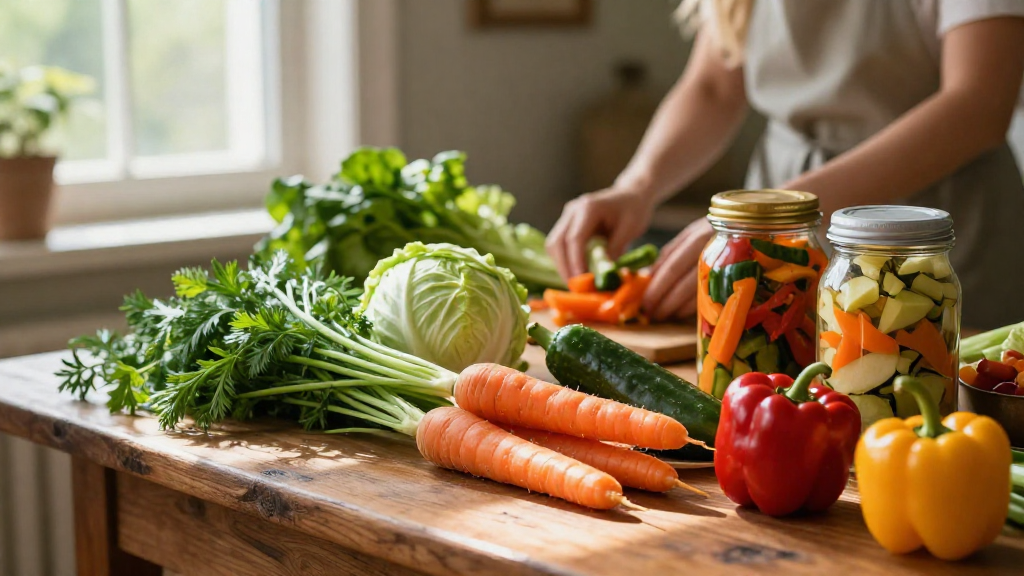
Learning how to ferment vegetables from your garden is a rewarding and health-boosting endeavor. With just a few simple steps, you can transform your fresh produce into delicious, tangy probiotic-rich treats that are not only flavorful but also good for your gut.
What is Vegetable Fermentation?
Fermentation is a natural process where microorganisms such as bacteria, yeast, or molds convert carbohydrates in food into alcohol or organic acids. When it comes to vegetables, lactic acid bacteria play a crucial role in the fermentation process.
Fermentation has been used for centuries as a way to preserve food and enhance its nutritional value. In addition to adding unique flavors, the process creates beneficial probiotics that support digestive health.
Why Should You Ferment Your Garden Vegetables?
Fermenting your garden vegetables provides numerous benefits, including:
- Enhanced Nutritional Value: Fermented vegetables can have increased levels of vitamins and minerals.
- Improved Digestion: The probiotics created during fermentation aid in digestion and gut health.
- Extended Shelf Life: Fermentation preserves vegetables and prevents spoilage, allowing you to enjoy your harvest year-round.
- Creativity in Cooking: Fermentation opens up a world of flavors and culinary possibilities.
How to Select Vegetables for Fermentation?
When learning how to ferment vegetables, choosing the right produce is essential. Here are some great options for vegetable fermentation:
- Cabbage: The classic choice for making sauerkraut and kimchi.
- Carrots: Crunchy and sweet, they provide a fantastic texture.
- Radishes: These add a zesty kick to your ferments.
- Cucumbers: Perfect for traditional pickles.
- Beets: These add natural sweetness and vibrant color.
- Garlic: Provides a robust flavor and is known for its health benefits.
- Green Beans: Crunchy and delicious in a pickled form.
Make sure to harvest or select vegetables that are:
- Fresh: Look for vibrant colors and firm textures.
- Organic: If possible, choose organic produce to avoid pesticides.
What Equipment Do You Need?
Before you start fermenting, gather the necessary equipment. You don’t need any fancy gadgets, but here are some basics:
- Jar: Wide-mouth Mason jars work great. You may also use fermentation crocks or airlock jars for larger batches.
- Weights: These keep your vegetables submerged during fermentation. You can use glass weights or even clean rocks.
- Lid: If you’re using regular jars, ensure you have a lid. For airlocks, follow the manufacturer’s instructions.
- Spoon: For mixing and packing your vegetables.
How to Ferment Vegetables: A Step-by-Step Guide
Now that you’re ready to learn how to ferment vegetables, follow these easy steps to get started:
Step 1: Prepare Your Vegetables
- Wash your vegetables thoroughly to remove any dirt and pesticides.
- Cut them into your desired shape, whether that’s slices, rounds, or sticks. Smaller pieces will ferment faster.
Step 2: Make the Brine
You can create a simple, saltwater brine or rely on the natural juices from the vegetables:
For a Saltwater Brine:
- Ingredients:
- 1 tablespoon of salt per cup of water (non-iodized sea salt is best)
Instructions:
1. Mix the salt and water until fully dissolved.
Step 3: Pack the Vegetables
- Fill your jar with the prepared vegetables. Pack them tightly to minimize air pockets and maximize flavor.
- Pour the brine over the vegetables until they are completely submerged. Leave about an inch of headspace at the top of the jar.
Step 4: Weight Them Down
- Place a weight on top of the vegetables to keep them submerged.
- If using a regular jar lid, ensure it’s not too tight—this will prevent gases from escaping.
Step 5: Fermenting Process
- Store the jar in a cool, dark place for about 3-14 days, depending on the type of vegetable and your taste preference.
- Check regularly; if any vegetables rise above the brine, push them back down.
Step 6: Taste and Store
- Start tasting your vegetables after three days. When they reach your desired flavor, it’s time to store them.
- Transfer your fermented vegetables to the refrigerator to slow down the fermentation process. They can last for months when properly stored.
How Long Should You Ferment Your Vegetables?
The fermentation time can vary based on several factors:
- Type of Vegetable: For example, cabbage ferments faster than carrots.
- Temperature: Warmer temperatures speed up fermentation.
- Personal Preference: If you enjoy tangy flavors, let them ferment longer.
General Fermentation Times:
- Soft Vegetables (e.g., Cucumbers): 3-5 days
- Harder Vegetables (e.g., Carrots or Beets): 1-2 weeks
- Cabbage for Sauerkraut: 1-4 weeks
What Are the Challenges of Fermenting Vegetables?
While fermenting vegetables is relatively straightforward, you may encounter some challenges:
- Mold Growth: If vegetables are not submerged, mold can develop. Always keep vegetables submerged below the brine.
- Leaky Jars: If using lids, make sure they’re not too tight to avoid pressure buildup.
- Taste Preferences: Fermentation flavors can be strong. Adjust the time and salt balance to suit your preference.
How to Utilize Fermented Vegetables?
Once you’ve mastered how to ferment vegetables, you may wonder how to enjoy them in your meals. Here are some ideas:
- Toppings: Use them as a flavorful topping on sandwiches or salads.
- Salsas: Blend fermented vegetables to create zesty salsas.
- Snacks: Enjoy them straight from the jar as a healthful snack.
- Side Dishes: Serve them alongside main dishes for added flavor.
By incorporating fermented vegetables into your diet, you enhance both the taste and nutritional quality of your meals.
Final Thoughts
Learning how to ferment vegetables from your garden is not only an excellent way to preserve your harvest but also a fun and creative outlet. Experiment with different vegetables and spices to find combinations that you love.
With practice and patience, you’ll be able to make a variety of fermented delights that can boost your health and impress your family and friends! Happy fermenting!