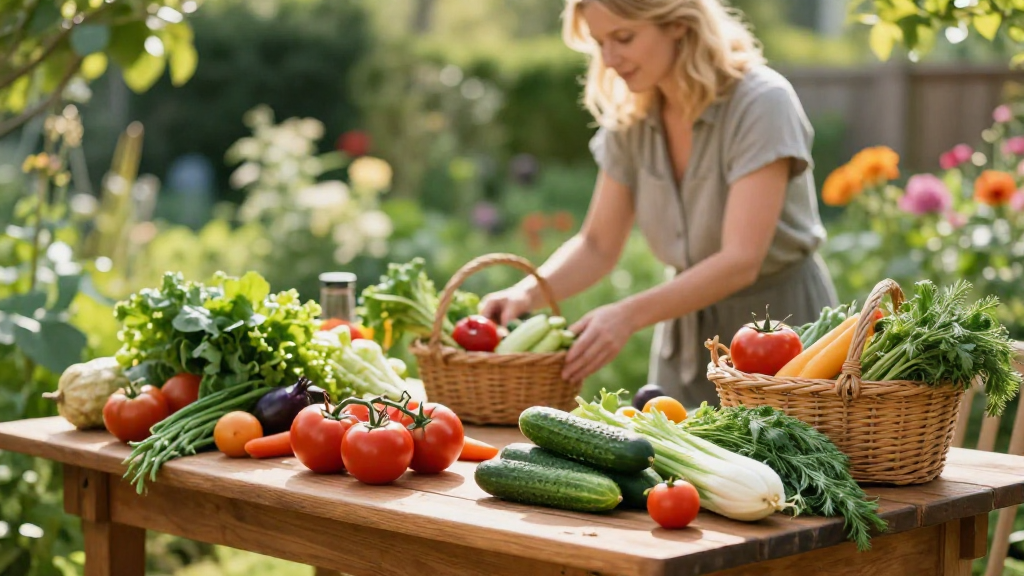
Sharing garden produce is a rewarding experience that allows you to connect with friends, family, and neighbors while promoting sustainability and healthy eating.
In this article, we’ll explore how to share garden produce effectively, ensuring that you can enjoy the fruits of your labor while bringing joy to those around you.
Why Should You Share Garden Produce?
Sharing your garden’s bounty can enrich your community in numerous ways:
- Strengthens Connections: Sharing allows you to bond with loved ones and neighbors.
- Encourages Healthy Eating: Fresh fruits and vegetables are a wonderful contribution to anyone’s diet.
- Reduces Waste: Instead of letting excess produce spoil, sharing ensures it is utilized and appreciated.
- Fosters Community Spirit: It builds relationships and promotes cooperative gardening practices.
What Can You Share From Your Garden?
So, what exactly can you share from your garden? Here are some popular options:
- Fruits: Apples, berries, citrus fruits, and stone fruits like peaches and plums.
- Vegetables: Let’s not forget about those extra cucumbers, zucchinis, tomatoes, and peppers.
- Herbs: Basil, mint, cilantro, and rosemary can all be shared in bunches.
- Flowers: Share beautiful blooms like sunflowers, zinnias, and marigolds.
How Can You Share Garden Produce?
With that in mind, let’s explore various methods how to share garden produce with others effectively.
1. Direct Giveaways
Simply pick some fruits, vegetables, or herbs, and give them directly to neighbors or friends.
This approach has a personal touch and allows for meaningful conversations.
- Tip: When giving produce, include a small note or recipe idea.
2. Community Food Banks
Many local food banks and shelters gladly accept fresh produce.
This not only helps those in need but also ensures your excess bounty contributes to a good cause.
- Tip: Check with your local food bank about their specific needs and guidelines.
3. Gardening Clubs and Cooperatives
Joining or forming a gardening club can be a wonderful way to share your harvest.
In this environment, members often share tips, tools, and, of course, produce.
- Tip: Host a seasonal harvest exchange — everyone brings their surplus!
4. Farmers Markets
If you have a substantial amount to share, consider setting up at a local farmers market.
You can sell or give away your goods and interact with your community while doing so.
- Tip: Create attractive displays with your produce to draw in customers!
5. Social Media and Online Groups
Post on platforms like Facebook, Instagram, or community forums about your available produce.
Many neighborhoods have Buy-Sell-Trade groups where you can connect with others looking for fresh ingredients.
- Tip: Use appealing photographs and hashtags to reach a wider audience.
6. Gift Baskets and Boxes
Create charming gift baskets filled with seasonal produce.
These can make great gifts for holidays, birthdays, or just because!
- Tip: Add a personal touch by including a home-cooked recipe that highlights the items inside.
What Are the Best Times to Share Your Produce?
Timing can be just as important as the act of sharing itself.
Here are some suggestions:
- Harvest Season: Spring and summer are prime times to share.
- Holidays: Thanksgiving and Christmas are lovely opportunities for giving.
- Community Events: Align sharing with local festivals or market days.
How to Package Your Garden Produce?
Presentation can elevate the sharing experience.
Here are some ideas for packaging:
- Recyclable Containers: Use jars or baskets for a rustic look.
- Produce Bags: Consider reusable produce bags for a sustainable option.
- Labels: Include labels with the variety and date harvested.
How Can You Encourage Others to Share?
Encouraging friends and neighbors to share their own produce can create a beautiful cycle of generosity.
- Start a “Share the Harvest” Day: Organize an event where everyone brings what they have to share.
- Create a Local Exchange Program: Establish a system where people can trade their surplus produce.
- Lead by Example: The more you share, the more likely others will follow suit!
What Are the Benefits of Sharing Your Garden Produce?
Understanding the advantages of sharing can help motivate you.
Here are some key benefits:
- Ecological Impact: Sharing helps reduce food waste, contributing positively to the environment.
- Nutritional Value: It promotes access to fresh foods, which can be beneficial for overall health.
- Culinary Discovery: You and your recipients can discover new recipes and flavors, experimenting with different types of produce.
- Community Resilience: A culture of sharing fosters support among neighbors, enhancing community resilience against economic hardships.
Wrapping Up: How to Share Garden Produce with Ease
In summary, learning how to share garden produce is not only a generous act but also a way to cultivate community spirit, support sustainable practices, and build lasting relationships.
Whether you’re giving away a handful of herbs or hosting a seasonal exchange, your efforts will surely be appreciated.
So, get your gardening gloves on, start growing, and remember to share the love!
Final Tips:
- Be Mindful: Always check for allergies or dietary restrictions.
- Educate: Share knowledge on how to prepare or store the produce.
- Have Fun: Whatever method you choose, enjoy the process of sharing and connecting with others!
Now that you know how to share garden produce, it’s time to put your plan into action and spread the joy of gardening!