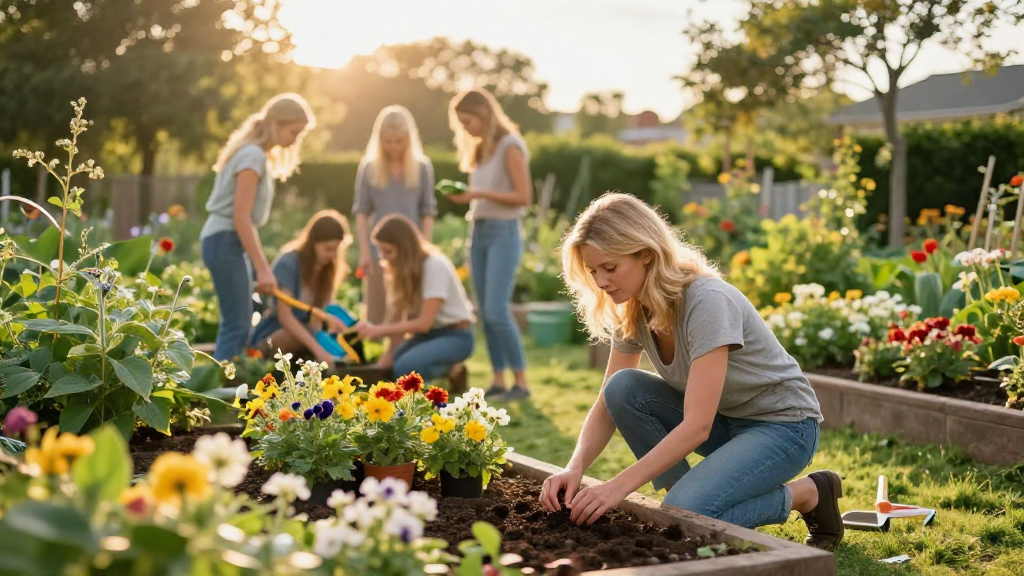
Are you looking to bring together fellow gardening enthusiasts in your community? Learning how to start a gardening club can be an exciting way to share knowledge, promote healthy living, and foster a love for plants.
What Should You Consider When Starting a Gardening Club?
Starting a gardening club is a fantastic way to connect with others who share your passion for flowers, vegetables, herbs, and the overall gardening experience. Here are some key considerations to keep in mind as you embark on this journey:
-
Purpose
Define the main goal of the club.
– Will you focus on organic gardening?
– Are you interested in community beautification?
– Will you offer workshops or collaborative projects? -
Audience
Determine who you want to attract.
– Beginners or seasoned gardeners?
– Families or individuals?
– Local schools and youth organizations? -
Location
Treat finding a suitable location as a crucial step.
– Hold meetings in community gardens, parks, or homes.
– Consider local libraries, churches, or community centers for larger gatherings. -
Frequency of Meetings
Decide how often the group will meet.
– Monthly, bi-weekly, or seasonally?
– This ensures ongoing engagement and excitement!
How Can You Spread the Word About Your Gardening Club?
Once you have your concepts outlined, it’s time to share your vision with the community. Here are some effective strategies for promoting your gardening club:
-
Social Media
Leverage platforms like Facebook, Instagram, and Twitter to build awareness.
– Create an event page for your first meeting.
– Share photos of your gardening projects or activities. -
Local Newspapers and Magazines
Write a short article or submit a press release to local publications.
– Highlight the benefits of joining a gardening club.
– Encourage people to attend your first meeting. -
Post Flyers
Design eye-catching flyers and distribute them in community centers, cafes, and libraries.
– Include the date, time, and purpose of the first meeting.
– Make sure to create a warm and inviting message. -
Community Boards
Utilize community bulletin boards, either physical or online.
– Those are often frequented by people looking for local activities.
– Include a call to action inviting anyone interested to reach out.
What Should Your First Meeting Include?
The first meeting is a pivotal moment for your gardening club. This is where potential members will decide whether they want to join or not. Here’s how to prepare for it:
A. Welcome and Introductions
Start by introducing yourself and allowing others to introduce themselves.
– Ask members to share their gardening experiences.
– Encourage them to mention any specific gardening topics they’re passionate about.
B. Outline the Vision
Discuss the goals and vision for the gardening club.
– Explain why you decided to start a gardening club.
– Share information about potential activities like workshops, community projects, or guest speakers.
C. Brainstorm Ideas
Engage members to think about what they would like from the club.
– Organize a brainstorming session to gather ideas.
– Create a list of topics or projects everyone is interested in on a chalkboard or flip chart.
D. Establish a Leadership Team
Consider forming a leadership team to help share responsibilities.
– Having multiple leaders can make planning and organizing easier.
– Designate roles such as a secretary, treasurer, or events coordinator.
E. Schedule Future Meetings
Before everyone leaves, confirm the schedule for future meetings.
– Set up a consistent day and time.
– Discuss the venues for upcoming meetings.
How Can You Keep Members Engaged?
Maintaining engagement is essential for the longevity of your gardening club. Here are some effective strategies to keep members interested:
-
Fun Activities
Plan seasonal events such as planting days or harvest potlucks.
– Organize plant swaps or garden tours for added creativity! -
Workshops and Learning
Invite knowledgeable speakers or conduct workshops on various gardening topics.
– Host sessions on organic gardening, pest control, or starting seeds indoors. -
Group Projects
Collaborate on community gardens or neighborhood beautification initiatives.
– Build new flower beds or start a community vegetable garden. -
Newsletters and Online Groups
Send out monthly newsletters to keep everyone updated.
– Create a private Facebook group for sharing tips between meetings. -
Social Events
Maintain a sense of community with social gatherings outside of regular meetings.
– Organize picnics, holiday parties, or tours of members’ gardens.
How Do You Handle Membership and Dues?
Membership can have considerable influence over the club’s sustenance and the activities it can offer. Here’s what to consider:
-
Membership Fees
– Decide if you will charge a membership fee to cover costs for supplies, guest speakers, or club activities.
– Make sure the fee is reasonable to attract a diverse group of participants. -
Open or Exclusive Membership
– Determine if everyone is welcome or if there will be a limit on the number of participants.
– An open membership encourages inclusivity and can strengthen community ties. -
Member Contributions
Encourage members to contribute their skills or resources.
– Allow them to help arrange meetings, provide gardening advice, or share supplies.
– This instills a sense of ownership and pride in the gardening club.
Why is Networking with Other Clubs Important?
Networking with other local gardening clubs can provide numerous benefits.
-
Resource Sharing:
Pool resources and knowledge for bigger projects or events. -
Joint Events:
Collaborate on events to attract larger crowds and build community relations. -
Friendship and Support:
Connect with others who share the same goals and interests.
Conclusion: How to Start a Gardening Club Success
Starting a gardening club locally is a fulfilling way to connect with nature and foster community engagement.
By outlining clear goals, promoting your vision, and nurturing connections, you can successfully cultivate a vibrant gardening community.
Remember, learning how to start a gardening club is just the beginning; the success of your club depends on the collaboration and enthusiasm of your members.
So gather those gardening tools, get your hands dirty, and watch your community thrive!