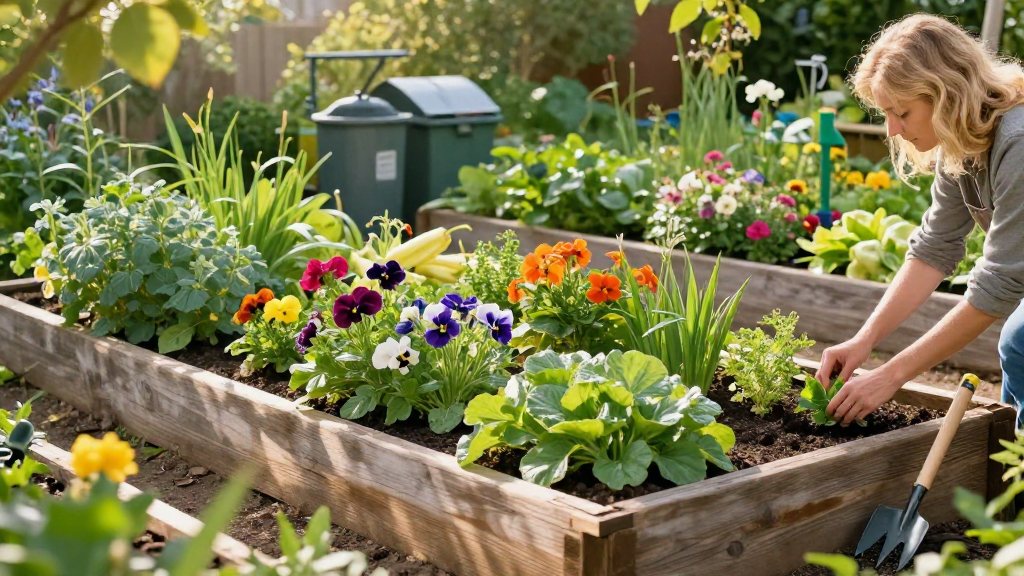
Creating a sustainable garden is not only beneficial for the environment but also rewarding for the gardener.
A sustainable garden promotes biodiversity and conserves resources while providing fresh produce.
In this article, we’ll explore practical steps on how to create a sustainable garden without waste.
What Are the Key Elements of a Sustainable Garden?
To create a sustainable garden, several key elements must be considered.
These elements work together to minimize waste and maximize efficiency. They include:
- Soil Health: Ensure your soil is rich in organic matter, using compost and natural fertilizers.
- Water Conservation: Implement rainwater harvesting and drip irrigation systems.
- Native Plants: Choose native and drought-resistant plants that require less maintenance and water.
- Natural Pest Control: Use beneficial insects and organic methods to control pests.
- Waste Reduction: Minimize waste through composting and recycling materials in your garden.
How to Choose the Right Location?
The location of your garden affects its sustainability.
When planning how to create a sustainable garden, consider these factors:
- Sunlight: Select a spot that receives adequate sunlight for photosynthesis.
- Wind Protection: Look for areas sheltered from strong winds to reduce water loss.
- Accessibility: Ensure ease of access for maintenance and harvesting.
How Can You Prepare the Soil Sustainably?
Preparing your soil sustainably is crucial for a productive garden.
Here’s how to do it:
- Test Your Soil: Use a soil testing kit to determine pH and nutrient levels.
- Add Organic Matter: Incorporate compost or well-rotted manure to improve soil structure.
- Practice Crop Rotation: Change the location of your crops each season to avoid nutrient depletion.
- Mulch: Apply organic mulch to preserve moisture and suppress weeds.
Did you know that healthy soil can reduce the need for chemical fertilizers?
This is a significant step towards how to create a sustainable garden.
What Are the Best Plants for a Sustainable Garden?
Selecting appropriate plants is a vital aspect of ensuring sustainability.
Here are some suggestions:
- Herbs: Basil, thyme, and rosemary thrive in varied conditions and can deter pests.
- Vegetables: Tomatoes, peppers, and carrots are excellent for small gardens.
- Flowers: Marigolds and sunflowers attract pollinators and are beneficial for biodiversity.
- Cover Crops: Plants like clover and vetch improve soil health and fertility when rotated.
By choosing the right plants, you can significantly lower your garden’s ecological footprint.
How Can You Save Water in Your Sustainable Garden?
Water conservation is essential when learning how to create a sustainable garden.
Consider the following methods to save water:
- Rain Barrels: Collect rainwater to irrigate your garden.
- Drip Irrigation: Install this efficient system to deliver water directly to the roots.
- Plant Selection: Opt for drought-resistant plants that require less water.
- Timing: Water early in the morning or late in the evening to reduce evaporation.
How to Use Natural Pest Control Methods?
Pests can threaten your garden’s ecosystem.
Here are some natural pest control methods to help you:
- Encourage Beneficial Insects: Ladybugs and lacewings feed on aphids and other pests.
- Crop Rotation: Changing plant locations can disrupt pest life cycles.
- Companion Planting: Grow plants that repel pests alongside susceptible crops.
- Homemade Solutions: Use garlic spray or neem oil as an organic pesticide.
By adopting these strategies, you’ll promote a healthier garden environment.
How Can You Reduce Waste in Your Garden?
Reducing waste is a cornerstone of how to create a sustainable garden.
Here are effective ways to do it:
- Compost: Convert kitchen scraps and garden debris into nutrient-rich compost.
- Repurpose Materials: Use old containers, pallets, and newspapers for plantings or borders.
- Plant Directly in the Ground: Minimize the use of plastic pots and trays.
- Collect Seed: Save seeds from your plants for future seasons, reducing the need to buy more.
These practices contribute to a circular economy in your gardening practices.
Why is Biodiversity Important in a Sustainable Garden?
Biodiversity plays a critical role in the health of your garden.
Here’s why it matters:
- Pest Control: A variety of plants can naturally reduce pests and diseases.
- Ecosystem Resilience: Biodiverse gardens can withstand environmental changes better.
- Food Security: Growing a range of plants ensures variety and helps prevent crop failure.
By enhancing biodiversity, you are taking significant steps in how to create a sustainable garden.
What Are Some Cost-effective Solutions?
Sustainability doesn’t have to be expensive.
Here are some low-cost solutions for your garden:
- DIY Projects: Create compost bins and rain barrels using recycled materials.
- Seed Swaps: Participate in local seed swaps to diversify your plants without spending money.
- Community Gardens: Join or start a community garden to share resources and knowledge.
Adopting these cost-effective strategies can make achieving a sustainable garden more accessible.
How Can You Maintain Your Sustainable Garden?
Maintaining your garden is just as important as setting it up.
Here are some tips:
- Weed Regularly: Keep weeds at bay to reduce competition for nutrients and water.
- Monitor Plants: Regularly check for pests or signs of disease.
- Rotate Crops: Change plant locations each season to preserve soil health.
A well-maintained garden reflects its sustainability efforts and cultivates an environment supportive of growth.
Conclusion
Creating a sustainable garden is a journey worth embarking upon.
By following the steps outlined above on how to create a sustainable garden, you’ll contribute to environmental preservation while enjoying the benefits of fresh produce.
Understand that every small effort counts.
Embrace sustainability, live waste-free, and enjoy the bountiful rewards of nurturing your creation!
Now, step outside, dig your hands into the soil, and begin crafting your green haven.