When the power goes out, the right backup system can keep lights, phones, routers, and small appliances running without the noise or fumes of a gas generator.
This roundup focuses on solar generator for power outage use cases, with picks that balance battery capacity, output, charging speed, and portability for real-world home backup.
Best 10 Solar Generator for Power Outage Picks for 2026
Whole-Home Backup

- 3072Wh capacity with 3600W output
- <20ms UPS for sensitive electronics
- Hybrid recharge in 1.7 hours
Best For: Home backup during outages and emergencies
Compact Emergency Kit

- 288Wh capacity with 300W output
- Charges from wall, solar, car, or USB-C
- 15% smaller than similar designs
Best For: Portable backup for phones and small essentials
Expandable Home Backup
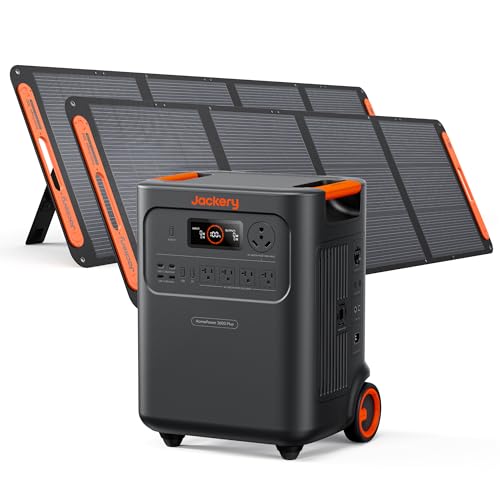
- 3600W output with 3584Wh capacity
- Expandable up to 21kWh per unit
- Dual-voltage support in parallel
Best For: Expandable backup for larger homes and long outages
Fast-Charge Portable Backup
Jackery Solar Generator 1000 v2

- 1070Wh capacity with 1500W output
- 1-hour emergency charging via app
- 23.8-pound portable design
Best For: Portable outage backup with fast recharge
Compact Backup Pick
GRECELL 330W Portable Power Station
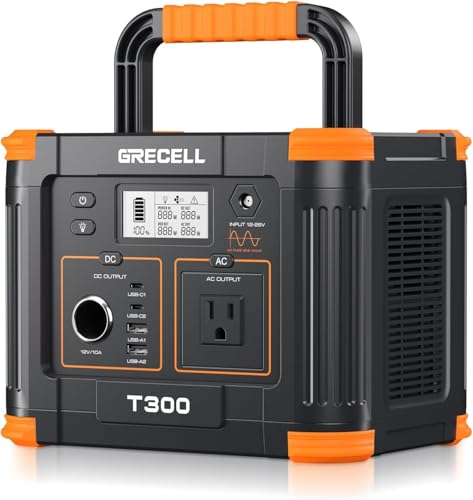
- 230.88Wh capacity with 330W output
- USB-C PD 60W and multiple quick-charge ports
- Lightweight design with solar, AC, and car charging
Best For: Light backup power, travel, and emergency charging
High-Capacity Home Backup
Jackery Explorer 2000 v2 Solar Generator

- 2042Wh capacity with 2200W AC output
- 20ms seamless UPS switching for outages
- Includes 2x200W solar panels and USB-C PD 100W
Best For: Home backup, outages, and higher-power essentials
Panel-Included Budget Pick
EnginStar 300W Solar Generator

- 296Wh battery with 300W AC output
- Foldable 60W solar panel included
- Eight ports and three recharge methods
Best For: Starter backup kits and small-device emergency power
Editor’s Pick
BLUETTI AC180 for Fast Home Backup

- 1152Wh LiFePO4 battery with 1800W output
- Charges in about 1 hour with AC input
- 20 ms UPS and 500W solar input
Best For: fast-recharging home backup and emergency essentials
Budget-Friendly Backup
LIBRIDS 640Wh UPS Power Station

- 10 ms UPS for critical outage protection
- Fully charges in about 1.5 hours
- 640Wh LiFePO4 battery with 8 ports
Best For: routers, CPAP machines, and other essential small devices
High-Power Choice
Anker SOLIX C1000 for Versatile Backup

- 1056Wh LiFePO4 battery with 1800W output
- Full charge in under an hour via AC input
- Up to 600W solar recharging and 11 ports
Best For: fast, compact backup with stronger appliance support
Whole-Home Backup – Jackery HomePower 3000
If you want a solar generator for power outage protection that can do more than keep a phone charged, the Jackery HomePower 3000 is built for serious home backup. With 3072Wh of capacity, 3600W AC output, and a 7200W surge rating, it can cover essentials like a fridge, Wi‑Fi router, lights, fans, and more while also offering UPS support for sensitive devices.
Best For: Homeowners who want a high-capacity backup system for outages, storms, and emergency essentials.
Pros:
- 3600W output and 7200W surge are suitable for demanding household essentials.
- <20ms UPS helps keep devices like security cameras and medical refrigerators running smoothly.
- Charges in 1.7 hours via hybrid AC/DC or reaches up to 80% in 9 hours with 2×200W solar panels.
- LiFePO4 battery is rated for 4,000 cycles and 70% capacity retention.
Cons:
- At 59.5 pounds, it is not a lightweight grab-and-go option.
- Solar charging speed depends on panel setup and available sunlight.
This is the most outage-focused unit in the group, combining strong output, fast recharge options, and backup-friendly UPS behavior. If your priority is keeping a home functional through extended outages, this Jackery is built for that job.
Compact Emergency Kit – Anker SOLIX C300
The Anker SOLIX C300 is a compact solar generator for power outage prep when you need a portable way to keep smaller essentials alive. With 288Wh of capacity, 300W output, and support for solar, wall, car, or USB-C charging, it fits better into a grab-and-go emergency setup than a whole-home backup system.
Best For: Apartment dwellers, travelers, and anyone wanting a small emergency power source for phones and light devices.
Pros:
- Small, travel-friendly design that is 15% smaller than similar models.
- Multiple charging paths include wall, solar, car, and PD 3.1 USB-C.
- Eight charging ports make it easy to power several low-draw devices at once.
- LiFePO4 battery is rated for 3,000 cycles and backed by a 5-year warranty.
Cons:
- 300W output is best for smaller electronics, not heavy appliances.
- 60W solar panel charging will be slower than larger-panel systems.
This is a practical emergency companion if you care more about portability than raw power. It is a strong pick for keeping communication gear, small accessories, and essentials charged during short outages.
Expandable Home Backup – Jackery HomePower 3600 Plus
If you need a solar generator for power outage coverage that can scale from essential backup to much larger home support, the Jackery HomePower 3600 Plus is built for that role. It delivers 3600W output, 3584Wh of capacity, and expandable storage up to 21kWh per unit, with 120V and 240V support in parallel for more demanding household use.
Best For: Larger homes and users who want expandable, long-duration backup power without complex installation.
Pros:
- 3600W output with 7200W in parallel supports larger appliances.
- Expandable capacity up to 21kWh per unit, or 43kWh with multiple units.
- Four charging options include hybrid AC+DC, AC, solar, and gas generator input.
- Wheels and a telescopic handle make it easier to move than many large units.
Cons:
- At 77.2 pounds, it is still a substantial power station to manage.
- Higher-capacity design may be more than casual users need.
This model stands out if outage planning means running more than just a few basics. Its expandable architecture and dual-voltage support make it the most flexible home backup option in this set.
Fast-Charge Portable Backup – Jackery Solar Generator 1000 v2
The Jackery Solar Generator 1000 v2 is a smaller solar generator for power outage use when you want quick recovery and everyday portability. With 1070Wh of capacity, 1500W AC output, and a 23.8-pound build, it is easier to move than larger home-backup systems while still offering enough power for multiple essential devices.
Best For: Users who want a portable outage backup with fast charging and enough output for key household and travel devices.
Pros:
- 1500W AC output and 3000W surge can support fridges and other common essentials.
- One-hour emergency charging option is available through the Jackery app.
- 300W solar charging can bring the unit to 80% in about 6 hours.
- At 23.8 pounds, it is much easier to carry than large-capacity home systems.
Cons:
- 1070Wh capacity is smaller than full-home backup units.
- 1-hour charging requires emergency mode activation in the app.
This is a good middle-ground choice for outages where portability and speed matter more than maximum runtime. It offers a strong mix of useful output, modern charging options, and a manageable size for travel or emergency storage.
Compact Backup Pick – GRECELL 330W Portable Power Station
If you want a solar generator for power outage coverage without giving up portability, the GRECELL 330W is a practical compact option. With 230.88Wh of capacity, a pure sine wave AC outlet, and USB-C PD 60W charging, it can handle everyday essentials like phones, laptops, lights, fans, and other devices under its 330W rating.
Best For: Light home backup, camping, car trips, and charging critical small devices during outages.
Pros:
- 230.88Wh capacity with 330W output and 600W surge support
- USB-C PD 60W plus multiple USB-A QC ports for fast device charging
- Built-in MPPT and 3 recharge options: AC, solar, or car
- Lightweight at 7.3 pounds for easier transport
Cons:
- Limited to devices rated under 330W
- Single AC outlet may feel restrictive for some setups
- Smaller capacity than larger home-backup power stations
This model makes sense if you value versatility and portability over long runtime. It is best used as a compact emergency backup or travel power source for essential electronics.
High-Capacity Home Backup – Jackery Explorer 2000 v2 Solar Generator
For shoppers who need a solar generator for power outage support with real home-backup muscle, the Jackery Explorer 2000 v2 stands out. It pairs a 2042Wh LiFePO4 battery with 2200W AC output, three AC ports, USB-C PD 100W charging, and 20ms seamless switching for keeping essential devices running during interruptions.
Best For: Whole-home essentials, emergency backup, and users who want UPS-style protection for outages.
Pros:
- 2042Wh capacity and 2200W output for demanding devices
- 20ms seamless switching with UL1778 UPS certification
- LiFePO4 battery rated for up to 10 years of performance
- Can charge to 80% in 66 minutes with AC charging
Cons:
- Heavier than compact portable stations at 66.8 pounds
- Solar charging depends on using compatible Jackery panels correctly
- Higher-capacity system may be more than casual campers need
This is the strongest backup-focused option in the group for users who want more runtime, higher output, and outage-ready switching. Its size and weight are the tradeoff for that added capability.
Panel-Included Budget Pick – EnginStar 300W Solar Generator
If you want a solar generator for power outage use and prefer a package that includes a panel, the EnginStar 300W is worth a look. It combines a 296Wh battery, 300W AC output, and a foldable 60W solar panel, giving you a straightforward setup for charging phones, laptops, cameras, CPAP gear, and other small devices.
Best For: Budget-minded buyers who want a ready-to-use starter solar backup kit.
Pros:
- Includes a 60W foldable solar panel in the box
- 296Wh capacity with 300W output and two pure sine wave AC outlets
- Eight output ports for charging several devices at once
- Can recharge by solar, wall outlet, or car socket
Cons:
- Smaller capacity than larger home-backup generators
- 300W output limits what appliances it can run
- 12-month limited service time is shorter than some competitors
This model is appealing if you want a simple emergency kit with solar included rather than buying components separately. It is a practical choice for small loads, not a full-house backup solution.
Editor’s Pick – BLUETTI AC180 for Fast Home Backup
If you want a solar generator for power outage backup that’s quick to recharge and strong enough for everyday essentials, the BLUETTI AC180 is an easy contender. Its 1152Wh LiFePO4 battery, 1800W output, and 20 ms UPS mode make it a practical fit for keeping key devices running when the grid goes down.
Best For: Households that want fast charging, solid outlet count, and reliable emergency backup for essentials.
Pros:
- Fully charges in about 1 hour with 1440W AC input.
- 1800W output with a 2700W boost for higher-demand devices.
- 500W solar input supports 2.8–3.3 hour solar charging.
- 20 ms UPS function is useful for emergency home backup.
Cons:
- At 37.4 pounds, it’s not the lightest option to move around.
- Solar charging is good, but faster results still depend on AC input.
The AC180 stands out for buyers who value speed and backup reliability over ultra-compact size. It’s a strong all-around choice if you want a solar generator for power outage prep that can be ready again quickly after use.
Budget-Friendly Backup – LIBRIDS 640Wh UPS Power Station
The LIBRIDS portable power station is a straightforward solar generator for power outage situations where you need essential devices to stay on without a lot of setup. Its 640Wh capacity, 10 ms UPS switching, and 1.5-hour charging time make it a practical backup option for routers, CPAP machines, and other daily essentials.
Best For: Users who want affordable-feeling emergency backup with fast charging and UPS support for critical small devices.
Pros:
- 10 ms UPS helps keep essential devices running during outages.
- Charges fully in about 1.5 hours.
- 4 AC outlets and 8 total ports support multiple devices.
- LiFePO4 battery and metal enclosure add durability and safety.
Cons:
- 600W running output is best for lower-power essentials, not heavy appliances.
- The unit is labeled for indoor use only in wet or adverse conditions.
This model makes the most sense if your outage plan centers on connectivity, medical devices, and smaller electronics. It’s less about whole-home power and more about reliable, fast-response backup where it counts.
High-Power Choice – Anker SOLIX C1000 for Versatile Backup
The Anker SOLIX C1000 is a strong solar generator for power outage coverage when you want higher output and quick recharge times in a compact footprint. With a 1056Wh LiFePO4 battery, 1800W output, and a full charge in under an hour, it’s built for users who need speed and flexibility from a backup power station.
Best For: Home backup buyers who want fast recharging, high output, and a compact 1kWh-class unit.
Pros:
- Reaches 80% in 43 minutes and full charge in under an hour with AC input.
- 1800W output with SurgePad technology supports many appliances.
- Up to 600W solar recharging for off-grid or emergency use.
- 15% smaller than comparable 1kWh units for easier storage and transport.
Cons:
- Fastest recharge depends on using AC input and the app-controlled UltraFast mode.
- Solar charging is useful, but not as fast as wall charging.
If you want a solar generator for power outage readiness that balances portability with stronger appliance support, the C1000 is a compelling middle ground. It offers a clean mix of speed, power, and packable size for home and camping use.
How We Picked the Best Solar Generator for Power Outage
We looked for models that make sense as a Solar Generator for Power Outage situations, not just casual camping use. Priority went to battery capacity, inverter output, charging speed, battery chemistry, UPS features, port selection, and the practicality of pairing with solar panels.
We also considered how well each unit fits common outage needs, from keeping communications online to supporting larger essentials like a fridge, modem, fan, or medical device with the right setup.
Quick Comparison
Smaller units are easier to move and recharge, but they are best for phones, tablets, Wi-Fi, and light-duty electronics. Mid-size models offer a stronger balance for apartments, short outages, and essential circuits. Larger home-backup units are better suited for longer blackouts, higher-wattage appliances, and users who want more headroom.
As a simple rule, match the battery size to how long you want to run devices, and match inverter output to the highest starting wattage of anything you may plug in.
Key Buying Factors for a Solar Generator for Power Outage
Battery Capacity and Runtime
Watt-hours tell you how much energy the unit stores. For outage preparedness, capacity matters more than marketing claims. A larger battery generally means longer runtime, but actual results depend on device wattage, conversion losses, and whether you are running one appliance or several at once.
AC Output and Surge Handling
Check both continuous AC output and surge capacity. Refrigerators, pumps, and some tools draw extra power when starting. If the inverter cannot handle that spike, the system may shut down even if the battery is still full.
Charging Speed and Solar Input
Fast wall charging is useful when you need to top up between outages. Solar input matters for longer disruptions because it can extend runtime during daytime use. If you plan to rely on panels, confirm the generator accepts enough solar wattage to recharge at a practical pace.
Battery Chemistry and Longevity
LiFePO4 batteries are generally preferred for backup use because they tend to offer better cycle life and thermal stability than older lithium chemistries. That makes them a strong fit for a Solar Generator for Power Outage preparedness.
Who Should Buy Which Solar Generator for Power Outage?
Choose a compact unit if you mainly need emergency charging, a router, a lamp, or a CPAP with modest power demand. Pick a mid-size station if you want a more versatile backup for small appliances and longer runtimes. Go with a high-capacity, high-output model if you are building a serious home emergency plan and want the best chance of covering multiple essentials during extended outages.
If you live in an area with frequent blackouts, prioritize fast recharging, UPS support, and enough output overhead for your most important devices. If your outages are short, a smaller and more portable option may be the smarter value.