When the power goes out, the right battery backup can keep your essentials running without the noise, fumes, or maintenance of a gas generator.
This roundup focuses on practical options for different backup needs, from a single workstation to longer-lasting whole-home essentials support.
Best 10 Home Battery Backup for Power Outage Picks for 2026
Home Backup Power Pick

- 3072Wh capacity with 3600W output
- <=20ms UPS for essential devices
- Fast recharge via AC, DC, or solar
Best For: Households wanting reliable backup for everyday essentials
UPS for Electronics

- 1500VA/1000W pure sine wave UPS
- 12 outlets with battery and surge protection
- AVR plus LCD for stable electronics backup
Best For: Computers, routers, and home office gear
Expandable Backup Choice
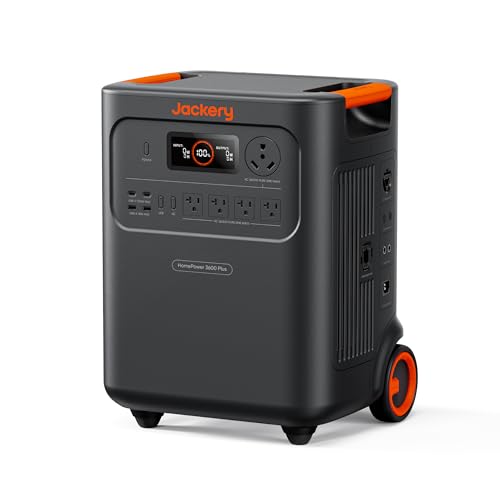
- 3584Wh base capacity, expandable to 21kWh
- 3600W output with 120V/240V support
- Plug-and-play design with multiple recharge options
Best For: Larger homes needing scalable outage backup
Fast-Charge Backup Option

- 1152Wh LFP battery with 1800W output
- Full AC recharge in about 1 hour
- 20 ms UPS and solar charging support
Best For: Portable backup for essentials and shorter outages
Premium Whole-Home Backup

- 2,042.8Wh capacity with 3,000W output
- Expandable up to 24kWh with added packs
- 30 dB quiet operation and LiFePO4 battery
Best For: Large homes needing scalable backup power for outages
Heavy-Duty Mobile Backup
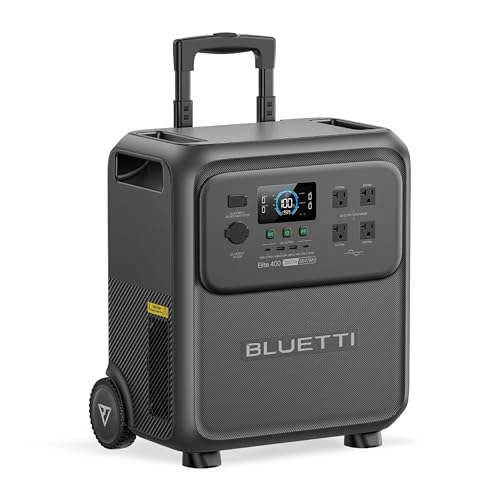
- 3,840Wh capacity with 2,600W output
- Easy-roll trolley for moving backup power
- 15 ms switchover for essential devices
Best For: Homes that need a powerful backup unit they can roll into place
Fast-Charge Everyday Backup
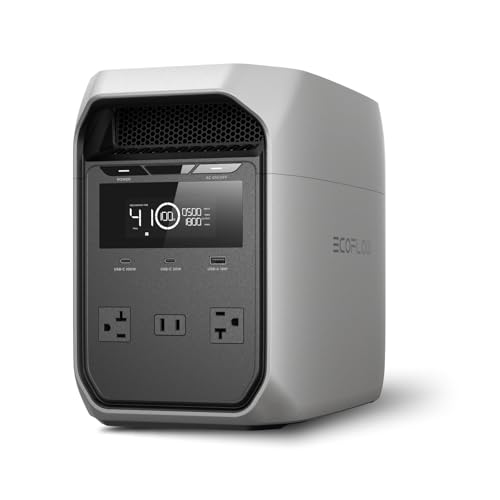
- 1,024Wh battery with 1,800W output
- 80% charge in 45 minutes via AC
- <10ms UPS mode for sensitive electronics
Best For: Users prioritizing fast charging and backup for essentials
Premium Whole-Home-Style Backup
Anker SOLIX S2000 2010Wh Power Station
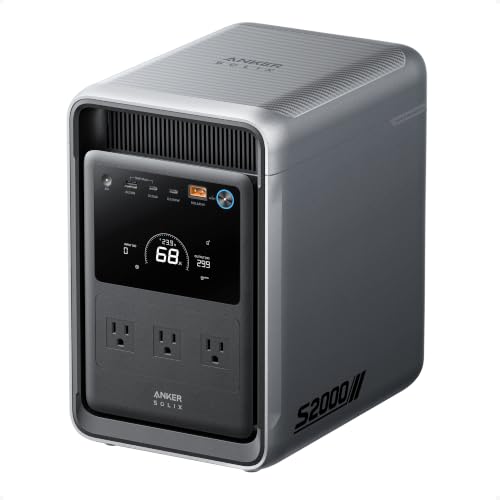
- 2,010Wh capacity with 1,500W continuous output
- Up to 35-hour fridge backup claim
- 10ms UPS and 8 outlets for home essentials
Best For: Larger essentials and longer outages
Fast-Charging Compact Backup
LIBRIDS 640Wh LiFePO4 Power Station

- 10ms UPS for routers, CPAPs, and essentials
- 1.5-hour full AC recharge
- 640Wh capacity with 8 output ports
Best For: Quick backup for small essential devices
Rapid-Recharge Mid-Size Backup
Anker SOLIX C1000 1056Wh Power Station

- 80% charge in 43 minutes; full in under an hour
- 1,800W output with 2,400W surge support
- LiFePO4 battery rated for 3,000 cycles
Best For: Fast recharge and strong mid-size outage coverage
Home Backup Power Pick – Jackery HomePower 3000
If you want a home battery backup for power outage events that can handle the basics without fuss, the Jackery HomePower 3000 is built around serious home-use capacity and output. Its 3072Wh battery, 3600W AC output, and fast UPS switching make it a strong fit for keeping essentials running when the grid goes down.
Best For: Homes that need dependable backup for refrigerators, lights, WiFi, and other everyday essentials during outages.
Pros:
- 3600W output with 7200W surge supports multiple home essentials.
- <=20ms UPS helps keep sensitive devices running through brief outages.
- 3072Wh capacity is enough for extended backup use, including a fridge for 1 to 2 days.
- Fast recharging options include hybrid AC+DC, AC, solar, car, and gas generator.
Cons:
- Solar panels are optional, so solar charging requires extra purchases.
- At 59.5 pounds, it is still a large unit to move around.
- Best suited to essential loads rather than whole-home coverage.
The HomePower 3000 stands out if you want a practical, high-capacity backup that is still relatively portable. Its balance of output, UPS support, and flexible charging makes it a smart emergency power choice for the home.
UPS for Electronics – CyberPower CP1500PFCLCD
The CyberPower CP1500PFCLCD is a classic home battery backup for power outage protection when your priority is computers, networking gear, and other sensitive electronics. With 1500VA/1000W capacity, pure sine wave output, and automatic voltage regulation, it is designed to keep connected devices stable during short outages and power fluctuations.
Best For: Desktops, workstations, modems, routers, and other electronics that need clean backup power.
Pros:
- Pure sine wave output supports active PFC and conventional power supplies.
- 12 outlets provide a mix of battery-backed and surge-only protection.
- AVR helps correct minor voltage swings without using the battery as often.
- Color LCD and USB charging ports add useful day-to-day convenience.
Cons:
- Designed for electronics, not for running large household appliances.
- Battery backup capacity is much smaller than portable power stations.
- Best for short-duration outages rather than long home blackouts.
If you mainly need a UPS for a computer setup or home office, this unit is a focused and well-equipped option. It is less about high-capacity household backup and more about clean, protected runtime for critical gear.
Expandable Backup Choice – Jackery HomePower 3600 Plus
For buyers comparing a home battery backup for power outage readiness, the Jackery HomePower 3600 Plus is built to cover more demanding household needs. It delivers 3600W output, supports 120V and 240V in parallel, and starts at 3584Wh with expansion options that can scale much farther for longer outages.
Best For: Larger households that want expandable backup power for heavier loads and longer outages.
Pros:
- 3600W output and 7200W in parallel can run heavier household devices.
- 3584Wh capacity is expandable up to 21kWh per unit.
- Plug-and-play setup keeps installation simple compared with fixed systems.
- Multiple charging options include hybrid AC+DC, AC, solar, and gas generator.
Cons:
- Solar panels are optional, so off-grid charging is not included.
- At 77.2 pounds, it is heavier than smaller portable backup units.
- The expanded-capacity setup may be more than some homes need.
This model is a strong fit if you want more than basic emergency power and may need room to scale later. Its expandable design and support for higher household loads make it one of the more flexible backup options here.
Fast-Charge Backup Option – BLUETTI AC180
The BLUETTI AC180 is a compact home battery backup for power outage situations where speed and portability matter. With 1152Wh of LiFePO4 storage, 1800W output, and a UPS mode that can switch in 20 ms, it is aimed at keeping essentials powered when the lights go out.
Best For: Smaller backup needs, quick charging, and portable emergency power for essential devices.
Pros:
- Charges very quickly, reaching full from AC in about 1 hour.
- 1800W output with 8 outlets can handle a range of essentials.
- 20 ms UPS support helps maintain power for critical devices.
- Solar input allows recharging in roughly 2.8 to 3.3 hours with 500W.
Cons:
- 1152Wh capacity is smaller than full-home-style power stations.
- Not designed for heavy household appliances that need higher wattage.
- Solar performance depends on sufficient panel input and conditions.
If you want a backup unit that is quick to recharge and easy to move, the AC180 is a practical pick. It is best suited to essential outage coverage rather than larger or longer-running home power demands.
Premium Whole-Home Backup – Jackery Explorer 2000 Plus
If you want home battery backup for power outage situations with serious output and expansion room, the Jackery Explorer 2000 Plus is built for heavy-duty needs. Its 2,042.8Wh capacity and 3,000W AC output can handle demanding appliances, while the LiFePO4 battery, quiet operation, and optional solar charging make it a flexible emergency and off-grid option.
Best For: Households that want a high-power, expandable backup unit for larger appliances, longer outages, and solar-ready emergency use.
Pros:
- 2,042.8Wh capacity with 3,000W output for heavier loads like air conditioners and RV gear
- Expandable from 2kWh to 24kWh with additional battery packs and parallel connection
- Whisper-quiet operation at 30 dB and no-fumes electric design
- Fast charging options, including full charge in about 2 hours with 6 SolarSaga 200W panels or wall power
Cons:
- Solar panels are optional and not included
- Large-capacity system is more than basic backup users may need
- Expansion to maximum capacity requires additional battery packs or a second unit
Overall, this is a strong choice if you need a power station that can scale beyond short-term essentials and support bigger household loads. The app control, long battery life, and 5-year warranty add confidence for regular emergency readiness.
Heavy-Duty Mobile Backup – BLUETTI Elite 400
For home battery backup for power outage coverage with a lot of capacity and easier movement, the BLUETTI Elite 400 stands out. It combines 3,840Wh of storage with 2,600W output and a surge rating up to 3,900W, so it can cover refrigerators, tools, and other essential home loads without feeling like a small portable.
Best For: Users who want a high-capacity backup station that can be rolled into place during outages.
Pros:
- Large 3,840Wh battery with 2,600W output and 3,900W lifting power
- Easy-roll trolley design makes it simpler to move around the home
- 15 ms switchover helps keep Wi-Fi, cameras, and feeders running during outages
- Fast recharge options, including 80% in 70 minutes with 2800W AC+solar input
Cons:
- Weighs 86 pounds, so it is still a substantial unit even with wheels
- 120V output may not suit every whole-home setup
- Solar panels and extra charging gear are not included
This is a practical pick if you want a powerful backup station for emergency use but still need something you can move from room to room. Its fast charging and UPS-style switchover make it especially useful for keeping core devices online.
Fast-Charge Everyday Backup – EcoFlow DELTA 3 Classic
If you want a compact home battery backup for power outage protection without going oversized, the EcoFlow DELTA 3 Classic is a strong everyday option. It delivers 1,800W output with 3,600W surge, charges quickly, and offers a 10ms UPS mode that can help keep sensitive gear from dropping offline.
Best For: People who want a lighter, fast-charging backup for essentials, electronics, and short outages.
Pros:
- 1,024Wh capacity with 1,800W output and 3,600W surge
- Very fast charging, reaching 80% in 45 minutes via AC
- <10ms UPS switching helps protect PCs, servers, and medical devices
- LiFePO4 battery and smart app control for long-term use and monitoring
Cons:
- Smaller capacity than larger backup stations in this roundup
- Solar panel is optional and not included
- Best suited to essentials rather than extended whole-home backup
For buyers focused on speed, portability, and dependable backup for key devices, this model is easy to recommend. It is especially appealing if you value quick recharge times and UPS-style protection more than maximum storage capacity.
Premium Whole-Home-Style Backup – Anker SOLIX S2000 2010Wh Power Station
If you want a home battery backup for power outage coverage that can handle more than just a router, the Anker SOLIX S2000 is built for serious household essentials. Its 2,010Wh capacity, 1,500W continuous output, and 3,000W peak output make it a strong fit for keeping critical appliances running when the grid goes down.
Best For: Powering larger essentials like a fridge, home office gear, and other outage must-haves.
Pros:
- Up to 35 hours of fridge backup, depending on the refrigerator and conditions.
- 1,500W continuous output with 3,000W peak output for many common home appliances.
- 10ms UPS switchover for a smoother home office backup setup.
- Compact and relatively lightweight for a 2kWh-class unit at 35.7 lbs.
Cons:
- No 12V DC port.
- Runtime will vary by appliance model, usage, and temperature.
- Heavier than smaller backup units, so it is less grab-and-go friendly.
This is the kind of power station to consider if you want a more capable backup option without moving to a full generator setup. The high battery capacity, fast UPS behavior, and flexible recharge options make it a practical choice for outage planning.
Fast-Charging Compact Backup – LIBRIDS 640Wh LiFePO4 Power Station
For a home battery backup for power outage situations where speed and simplicity matter, the LIBRIDS 640Wh power station focuses on fast recovery and essential-device coverage. It offers 600W output, a 1200W surge rating, and a built-in 10ms UPS to keep key electronics from dropping offline during an outage.
Best For: Routers, CPAP machines, and basic emergency power with fast recharge.
Pros:
- 10ms UPS backup helps maintain power to sensitive essentials during outages.
- Full recharge in about 1.5 hours is useful when you need it ready again quickly.
- LiFePO4 battery is rated for 4000+ cycles and paired with a metal enclosure.
- 8 output ports make it easier to power multiple small devices at once.
Cons:
- 640Wh capacity is better for essentials than for extended whole-home coverage.
- 600W output limits what larger appliances it can run.
- Indoor-use warning means it should be kept out of wet or humid conditions.
This model makes sense if you want a compact backup unit that is quick to recharge and aimed at critical electronics. It is less about long runtime and more about being ready fast when outages are brief or focused on a few devices.
Rapid-Recharge Mid-Size Backup – Anker SOLIX C1000 1056Wh Power Station
If you want a home battery backup for power outage use that recharges unusually fast, the Anker SOLIX C1000 is designed to get back online quickly. With 1,056Wh capacity, 1,800W output, and a 2,400W surge rating, it has the power and speed to cover many household essentials without a long wait between charges.
Best For: Buyers who want fast recharging and strong everyday outage coverage.
Pros:
- Can reach 80% in 43 minutes and full charge in under an hour with UltraFast recharging.
- 1,800W output and 2,400W SurgePad support 99% of appliances, per the brand.
- 11 ports provide flexible connections for home, camping, or RV use.
- LiFePO4 battery is rated for 3,000 cycles and about a 10-year lifespan.
Cons:
- 1,056Wh capacity is solid, but not as large as higher-capacity backup stations.
- UltraFast charging requires the app and AC input, which may not fit every setup.
- Best performance claims depend on compatible appliances and charging conditions.
The C1000 stands out when recharge speed matters as much as output. It is a practical middle-ground choice for outage prep if you want a portable unit that can power a lot of gear and recover quickly after use.
How We Picked the Best Home Battery Backup for Power Outage Options
We prioritized battery backups that balance capacity, inverter output, recharge speed, and reliability. For a Home Battery Backup for Power Outage, the most useful models are the ones that can actually start and sustain your must-run appliances, not just charge phones.
We also considered battery chemistry, expandability, output variety, portability, and whether the unit is better suited to electronics-only backup or heavier household loads.
Quick Comparison
Think of these options in three broad groups: compact UPS-style backups for computers and networking gear, mid-size portable power stations for fridge-and-device coverage, and larger expandable systems for longer outages or more demanding home use.
Smaller units are easier to store and recharge quickly. Larger units generally offer more runtime, more output headroom, and better support for appliances like refrigerators, sump pumps, or CPAP machines.
Key Buying Factors for Home Battery Backup for Power Outage
Battery Capacity and Runtime
Capacity, measured in watt-hours, tells you how much energy the unit stores. More capacity usually means longer runtime, but actual results depend on the appliance draw. Estimate your essentials first, then choose enough reserve for the outage length you want to cover.
Power Output and Surge Handling
Look at continuous watt output, not just peak numbers. Some devices need a strong startup surge, especially refrigerators and pumps. If your backup will only power electronics, lower output may be fine. If you want appliance support, prioritize higher inverter wattage.
Recharge Speed and Charging Options
Fast AC charging can be a major advantage if outages are short and repeated. Solar input adds flexibility for extended disruptions. Many buyers prefer a unit that can recharge from a wall outlet, car, and solar panels.
UPS Features and Switch Time
If you need backup for a computer, router, or medical equipment, UPS or near-UPS functionality matters. A fast transfer time helps prevent shutdowns when utility power drops.
Portability and Expandability
Wheels, handles, and lighter weight make a difference if you plan to move the unit often. Expandable systems are better if you want to start small now and build toward a larger Home Battery Backup for Power Outage setup later.
Who Should Buy Which Home Battery Backup for Power Outage?
Buy a compact UPS-style unit if your main goal is protecting computers, modems, routers, and small electronics during brief outages.
Buy a mid-size portable power station if you want flexible backup for lights, phones, fans, and possibly a refrigerator for limited runtime.
Buy a larger expandable system if you expect frequent outages, need longer runtime, or want to support multiple essential appliances with room to grow.
In short, the best choice is the one that matches your load, runtime goals, and recharge habits. For many homes, that means choosing the smallest system that still comfortably covers the essentials you cannot afford to lose.