When the lights go out, the best portable home battery backup can keep essentials running without the noise, fumes, or hassle of a gas generator.
In this roundup, we focus on fast charging, real-world output, battery chemistry, and backup features that matter most for home use.
Best 10 Portable Home Battery Backup Picks for 2026
Fast-Charge Home Backup
Anker SOLIX C1000 Portable Power Station

- 1800W output with 2400W peak support
- 1056Wh LiFePO4 battery with 3,000 cycles
- 80% charge in 43 minutes via UltraFast charging
Best For: Fast recharging home backup and portable use
High-Capacity RV Backup
BLUETTI Elite 300 Portable Power Station
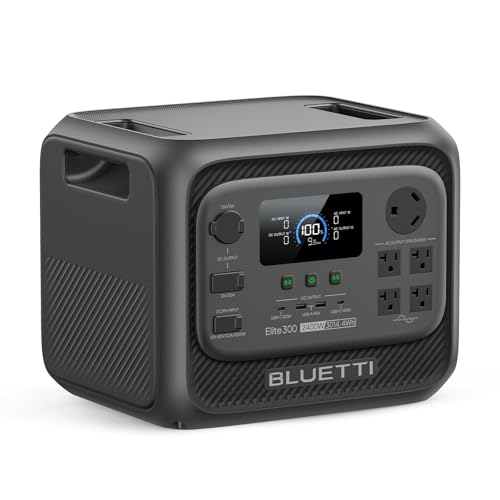
- 3014.4Wh capacity with 2400W output
- 10ms UPS backup for critical devices
- TT-30 RV port plus 12V/30A DC output
Best For: Large-capacity home backup and RV power
Compact Long-Run Backup

- 2042Wh capacity with 2200W output
- 80% recharge in 66 minutes via AC
- 20ms UPS switching for outage backup
Best For: Portable 2kWh backup with quick charging
Efficient Everyday Backup
Anker SOLIX S2000 Portable Power Station
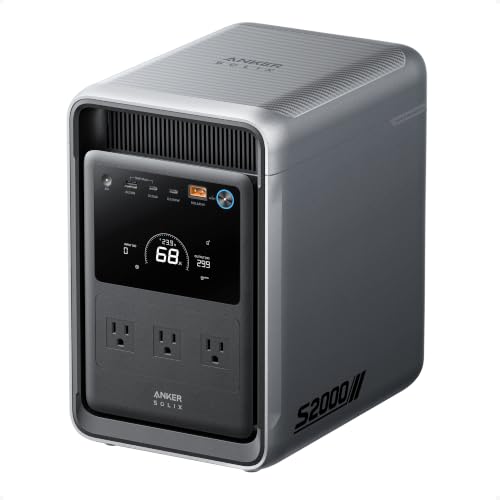
- 2,010Wh capacity with 1,500W output
- Up to 35-hour fridge backup in notes
- <10 ms UPS switchover for home office use
Best For: Efficient backup for essentials and home office
Compact Emergency Power
Jackery Explorer 1000 v2 Portable Power Station

- 1,070Wh capacity with 1,500W AC output
- 1-hour fast charge via app emergency mode
- 23.8-lb LFP unit with 10+ year lifespan
Best For: short outages, camping, and portable household backup
Fast-Charge Backup Pick
Anker SOLIX C1000 Gen 2 Portable Power Station

- 49-minute full recharge with HyperFlash tech
- 2,000W output with 3,000W peak and 10 ports
- Under 10 ms UPS mode for sensitive devices
Best For: buyers who want fast recharge and reliable emergency backup
Expandable Home Backup
EF ECOFLOW Portable Power Station Delta 2

- Charges to 80% in 50 minutes on AC
- Expandable from 1kWh to 3kWh
- 1,800W output with 15 outlets
Best For: home backup users who want expandability and fast AC charging
Portable Backup with Fast UPS Switching
LIBRIDS 640Wh 600W Home Backup Station

- 10ms UPS for fast outage switching
- 640Wh capacity with 1200W surge
- 1.5-hour AC charging and 8 ports
Best For: Small essential-device backup during power outages
High-Capacity Rapid Charge Option
EcoFlow DELTA 3 1024Wh Fast-Charge Station

- 1024Wh capacity with 1800W output
- Full charge in 56 minutes
- Expandable up to 5kWh
Best For: Broad home backup with very fast recharging
Fast-Charging UPS Backup
EcoFlow DELTA 3 Classic 1024Wh UPS Station
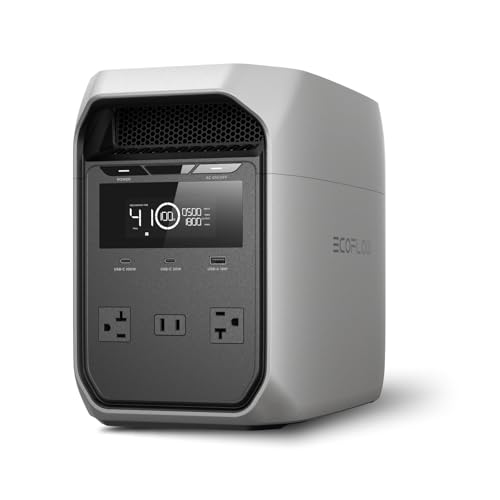
- <10ms UPS for sensitive electronics
- 1800W output with 3600W surge
- 0-80% charge in 45 minutes
Best For: Fast UPS backup for essential home electronics
Fast-Charge Home Backup – Anker SOLIX C1000 Portable Power Station
If you want a portable home battery backup that can recover quickly between outages, the Anker SOLIX C1000 is built around speed and flexibility. It delivers 1800W output, a 1056Wh LiFePO4 battery, and UltraFast recharging that gets it to 80% in 43 minutes and full charge in under an hour with AC input and the app.
Best For: Households that want fast recharging, dependable backup for outages, and a compact power station for camping or RV use.
Pros:
- Full charge in under an hour with UltraFast recharging
- 1056Wh LiFePO4 battery with a 10-year, 3,000-cycle lifespan
- 2400W peak output and 11 ports for broad device support
- 15% smaller than comparable 1kWh units for easier storage
Cons:
- UltraFast charging requires the Anker app and a smartphone
- Solar charging is optional and not included
- Best charging performance depends on indoor AC power access
This is a strong all-around option if your priority is quick turnaround time and long battery life in a reasonably compact footprint. It is especially appealing for users who want one unit for home backup and travel.
High-Capacity RV Backup – BLUETTI Elite 300 Portable Power Station
The BLUETTI Elite 300 is a portable home battery backup built for users who need more stored energy and strong surge support. With 3014.4Wh of capacity, 2400W output, and a 4800W surge rating, it is positioned to keep essential appliances running through outages while also fitting RV-focused setups.
Best For: Buyers who want a large-capacity backup unit for home outages, RV power, and critical devices that need UPS support.
Pros:
- Large 3014Wh capacity in a compact 3kWh design
- 2400W output with 4800W surge for tougher startup loads
- 10ms UPS switching for computers, routers, and office gear
- RV-ready with TT-30 outlet and 12V/30A DC output
Cons:
- Heavier than smaller 2kWh-class units at 58 pounds
- Only 2 total outlets listed in the specs
- May be more than some users need for simple backup loads
If your priority is runtime and outage readiness over portability, the Elite 300 stands out. It combines serious capacity with UPS features and RV-specific outputs in a space-saving form.
Compact Long-Run Backup – Jackery Explorer 2000 v2
The Jackery Explorer 2000 v2 is a portable home battery backup aimed at users who want strong capacity without a bulky footprint. It offers 2042Wh of storage, 2200W AC output, and a LiFePO4 battery designed for long-term use, making it a practical fit for outages, camping, and small business needs.
Best For: Shoppers who want a relatively light 2kWh-class backup unit with fast charging and quiet operation.
Pros:
- 2042Wh capacity with 2200W AC output across 3 ports
- Charges to 80% in 66 minutes with AC fast charging
- Weighs 39.5 lbs, lighter than many comparable units
- 20ms UPS switching helps keep essentials running during outages
Cons:
- Solar panel performance depends on using up to 400W panels
- Full charging from app-based emergency mode takes longer than standard fast charge
- Only 3 AC ports may limit some users’ setups
This model balances portability, runtime, and quiet operation well for a 2kWh-class station. It is a smart pick if you want dependable backup power without moving up to a much heavier system.
Efficient Everyday Backup – Anker SOLIX S2000 Portable Power Station
The Anker SOLIX S2000 is a portable home battery backup designed to stretch runtime while staying compact. With 2,010Wh of capacity, 1,500W continuous output, and a low 6W idle draw, it is built to keep essential appliances going longer, including a fridge rated for up to 35 hours in the supplied notes.
Best For: Homeowners who want efficient backup runtime, a compact footprint, and clean UPS-style support for everyday essentials.
Pros:
- Up to 35-hour fridge backup in the supplied performance notes
- 10,000-cycle LFP battery for long service life
- 30% smaller and 25% lighter than the industry average
- <10 ms UPS switchover for home office and electronics
Cons:
- 1,500W continuous output is lower than larger 2kWh alternatives
- No 12V DC port included
- Runtime depends heavily on appliance model and usage habits
For buyers focused on efficiency and everyday outage coverage, the S2000 is easy to recommend. It emphasizes long runtime, compact size, and simple connectivity over brute-force output.
Compact Emergency Power – Jackery Explorer 1000 v2 Portable Power Station
The Jackery Explorer 1000 v2 is a strong portable home battery backup choice if you want a compact unit that can still handle real household essentials. With 1,070Wh of capacity, 1,500W AC output, and a 3,000W surge peak, it is built for practical backup use, camping, and RV trips without becoming overly bulky.
Best For: Households that want a lightweight backup battery for short outages, fridges, and key devices.
Pros:
- 1,500W output with 3,000W surge can run multiple appliances.
- Fast one-hour charging is available through the Jackery app emergency mode.
- LFP battery is rated for over 4,000 cycles and 10+ years of use.
- Lightweight at 23.8 lbs with a foldable handle for easier moving.
Cons:
- Solar charging is limited to Jackery solar panels.
- Full one-hour recharge requires enabling emergency charging in the app.
Overall, this is a well-balanced option if you want a portable home battery backup that is easy to store, quick to recharge, and versatile enough for both emergency and travel use.
Fast-Charge Backup Pick – Anker SOLIX C1000 Gen 2 Portable Power Station
The Anker SOLIX C1000 Gen 2 is aimed at buyers who want a portable home battery backup that recharges extremely fast and can power a wide range of devices. Its 1,024Wh LiFePO4 battery, 2,000W output, and 10-port layout make it a practical fit for outages, remote work setups, and mobile use.
Best For: People who want rapid recharging and strong output in a compact backup battery.
Pros:
- Fully recharges in 49 minutes at 1,600W with HyperFlash tech.
- 2,000W output and 3,000W peak support up to 10 devices.
- Under 10 ms UPS switchover helps keep CPAPs and laptops running.
- 10-year battery life with at least 80% capacity after 4,000 cycles.
Cons:
- Solar recharging is capped at 600W input.
- App setup is needed to enable the fastest charging mode.
For shoppers prioritizing speed and convenience, this is one of the more capable portable home battery backup options in the group, especially if quick turnaround after an outage matters.
Expandable Home Backup – EF ECOFLOW Portable Power Station Delta 2
The EF ECOFLOW DELTA 2 is a practical portable home battery backup if you want a unit that charges quickly and can grow with your needs. It starts with 1,024Wh of capacity, 1,800W output, and 15 outlets, then expands to 3kWh with extra batteries for longer backup or off-grid use.
Best For: Buyers who want expandable capacity for home backup, RV travel, or longer outages.
Pros:
- 0-80% charge in 50 minutes and full charge in 80 minutes on AC.
- Expandable from 1kWh to 3kWh with extra batteries.
- 1,800W output and 15 outlets cover many household devices.
- LFP battery is rated for 3,000+ cycles and long-term use.
Cons:
- Heavier than some compact alternatives at 27 pounds.
- Maximum solar input is 500W, so off-grid charging is moderate rather than ultra-fast.
This is a strong choice if you want a portable home battery backup that is easy to recharge from the wall, flexible to expand, and broad enough to support most common appliances.
Portable Backup with Fast UPS Switching – LIBRIDS 640Wh 600W Home Backup Station
If you want a portable home battery backup for routers, CPAP machines, and other essentials, this LIBRIDS power station is built around quick switchover and practical everyday capacity. Its 10ms UPS mode helps keep sensitive devices running during outages, while the 640Wh battery and 600W output cover basic home backup and portable use.
Best For: Keeping a few critical devices powered through short outages and emergency interruptions.
Pros:
- 10ms UPS mode automatically switches to battery power during outages.
- 640Wh capacity with 600W output and 1200W surge for startup loads.
- Fast 1.5-hour AC charging helps it get ready quickly for emergencies.
- 8 total output ports, including 4 AC outlets, support multiple devices.
Cons:
- 600W running output may be limiting for larger appliances.
- Best suited to essential electronics rather than whole-home backup.
- The unit is labeled indoor use only and must avoid wet conditions.
This is a strong pick if your priority is dependable, quiet backup for smaller loads and fast recovery after an outage. The LiFePO4 battery, pure sine wave output, and metal enclosure add confidence for regular home and travel use.
High-Capacity Rapid Charge Option – EcoFlow DELTA 3 1024Wh Fast-Charge Station
For buyers comparing a portable home battery backup with more headroom, the EcoFlow DELTA 3 stands out for its 1024Wh capacity, 1800W output, and extremely fast recharge time. It is designed to handle a wide range of home, camping, and RV use cases, including powering multiple appliances at once.
Best For: Users who want faster charging and more output for a broader set of backup needs.
Pros:
- Full charge in 56 minutes with combined AC and solar input.
- 1800W output powers up to 13 appliances simultaneously.
- LiFePO4 battery offers 4000 cycles to 80% for long-term use.
- Expandable up to 5kWh with compatible EcoFlow battery packs.
Cons:
- Expansion requires separate compatible battery packs.
- At 12.5 kg, it is not the lightest option for frequent carry.
- Some best features depend on EcoFlow ecosystem accessories.
If your goal is to keep more devices running and recharge quickly after an outage, this model offers a very capable balance of power and flexibility. The IP65 battery protection and five-year service support add further appeal for regular backup use.
Fast-Charging UPS Backup – EcoFlow DELTA 3 Classic 1024Wh UPS Station
The EcoFlow DELTA 3 Classic is a practical portable home battery backup for buyers who want quick charging, UPS protection, and enough output for everyday essentials. With 1800W output, 3600W surge, and sub-10ms UPS switching, it is aimed at keeping sensitive electronics and common household devices online without much downtime.
Best For: Home users who need fast UPS-style backup for electronics and small appliances.
Pros:
- <10ms UPS switching helps protect PCs, servers, and medical devices.
- 1800W output with 3600W surge handles refrigerators, microwaves, and laptops.
- 0-80% charging in 45 minutes supports quick turnaround.
- EcoFlow app control adds monitoring, schedules, and backup modes.
Cons:
- Only 6 outlets, so it is less flexible than some higher-port models.
- Solar charging is optional and depends on compatible panel setup.
- Not compatible with Delta 2 Smart Extra Battery or Delta 3 Series Smart Extra Battery.
This model is a strong middle ground for buyers who want fast response, modern controls, and meaningful backup power in a relatively compact design. If your priority is keeping key electronics protected during interruptions, it checks the right boxes.
How We Picked These Portable Home Battery Backup Options
We prioritized units that balance capacity, output, charging speed, and reliability. For home backup, that means looking beyond watt-hours alone and checking whether a unit can handle refrigerators, routers, lights, medical devices, and small appliances without tripping. LiFePO4 batteries, strong inverter output, and useful UPS or pass-through charging features were also important.
Quick Comparison: What Matters Most
Not every Portable Home Battery Backup is built for the same job. Smaller models are easier to move and recharge quickly, while larger-capacity units can keep critical appliances running longer. Higher-wattage models are better for power-hungry loads such as microwaves, coffee makers, and some power tools. If you want all-around emergency coverage, look for a model that combines at least 1,000Wh of capacity with strong AC output and fast recharge times.
Key Buying Factors for Portable Home Battery Backup
Capacity and Runtime
Battery capacity, measured in watt-hours, tells you how long a unit can supply power. Estimate your essential loads first: modem and router, lights, fans, CPAP machines, or a fridge. Bigger is not always better, but too little capacity can make a backup unit frustrating during an outage.
Output and Surge Power
Continuous wattage determines what the unit can run steadily. Surge power matters for appliances with compressors or motors, especially refrigerators and some kitchen devices. If you plan to back up household essentials, choose a model with enough headroom so startup spikes do not overload the inverter.
Charging Speed and Recharge Options
A fast recharge can be just as important as raw capacity, especially during multi-day outages. Many of today’s best Portable Home Battery Backup units can recharge from AC in about an hour or from solar when the grid is down. Check whether the model supports solar input, wall charging, and car charging for maximum flexibility.
Battery Type and Lifespan
LiFePO4 batteries are the preferred choice for home backup because they usually offer better cycle life and thermal stability than older lithium-ion designs. If you want a long-term emergency power solution, this chemistry is a major advantage.
Who Should Buy Which Portable Home Battery Backup?
If you mainly need to keep networking gear, phones, and lights on, a mid-size unit is usually the smartest value. If you want refrigerator backup or broader household coverage, step up to a larger-capacity model with stronger inverter output. Frequent travelers, RV owners, and anyone who wants a versatile emergency power source should favor a Portable Home Battery Backup with fast AC charging, solar support, and easy-to-read controls. Choose the smallest unit that comfortably covers your essential loads, then add margin for startup surges and longer outages.