Starting seeds in a small space takes the right tray more than a lot of room. The best compact seed starting trays make it easier to manage moisture, root development, and transplant timing without cluttering a windowsill or shelf.
Below, we focus on practical options for indoor gardeners, from reusable kits with humidity domes to higher-cell trays for growers who want to start more seedlings at once.
Best 10 Compact Seed Starting Trays Picks for 2026
Adjustable Ventilation 5-Pack
Gardzen 40-Cell Seed Starter Tray Kits

- 5 trays, 40 cells each
- Vented domes with adjustable airflow
- Drain holes and clear lids for monitoring
Best For: Starting lots of seeds or cuttings in a reusable multi-pack
Reusable Silicone Cells

- 16 extra-large flexible cells
- Dishwasher-safe and reusable
- Drainage slots support airflow and watering
Best For: Starting fewer seedlings with easy transplanting
Tool-Included Starter Pack

- 10 trays, 120 total cells
- Domes with adjustable vents
- Includes shovel and scoop
Best For: Small indoor growing projects with starter tools included
Compact Reusable Tray

- 36-cell compact layout
- Flexible silicone pop-out cells
- Reusable and dishwasher safe
Best For: Herbs, flowers, and vegetables in a compact reusable tray
High-Capacity Tray Set
216-Cell Seedling Starter Trays
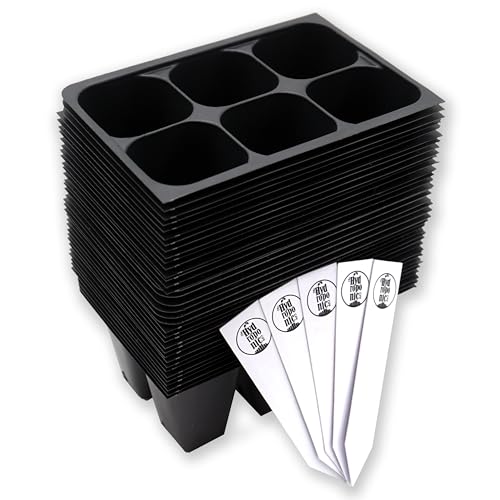
- 36 reusable trays with 216 cells total
- Deep 1.5" x 2.25" cells support roots
- Drainage slits and plant stakes included
Best For: Starting lots of seedlings in a small indoor area
Controlled Germination Kit
200-Cell Mini Greenhouse Tray Kit

- Clear trays let you monitor growth easily
- Adjustable vents help control humidity
- Stackable bottoms save space indoors
Best For: Indoor growers who want humidity control and visibility
Clear Dome Starter Kit
12-Cell Clear Humidity Dome Trays

- Clear trays show roots and seedlings easily
- Vented domes support humidity control
- Drain holes help reduce overwatering
Best For: Small indoor starting projects with easy visibility
Windowsill Starter

- 8 extra-large flexible cells
- Drainage channels help manage water
- Dishwasher-safe and reusable
Best For: Small indoor starts on a windowsill
Humidity Control Set
Bonviee 5-Pack 12-Cell Starter Trays
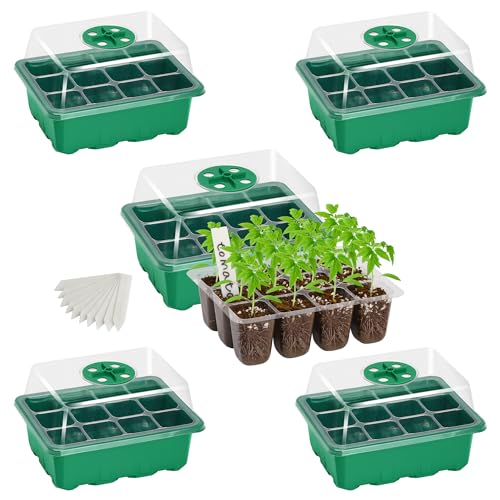
- Clear trays for easy seedling viewing
- Adjustable vents for humidity control
- Includes domes, bases, and labels
Best For: Gardeners who want controlled indoor germination
Bulk Value Pack
Gardzen 30-Pack 6-Cell Seed Trays
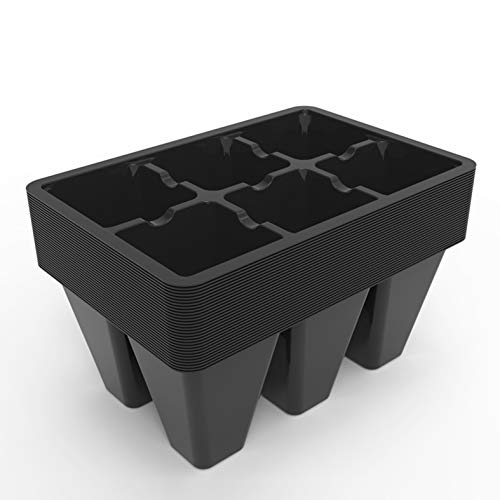
- 30 reusable trays for high volume
- Drain holes help prevent overwatering
- Guide channels help distribute water
Best For: High-volume seed starting on a budget
Adjustable Ventilation 5-Pack – Gardzen 40-Cell Seed Starter Tray Kits
These compact seed starting trays are a practical pick if you want a larger starter set with built-in dome control. The Gardzen 5-pack gives you 200 total cells, vented humidity domes, and drain holes, making it easier to manage moisture and airflow for indoor seed starting or propagation.
Best For: Gardeners who want a reusable multi-pack for starting lots of seeds, cuttings, or young plants.
Pros:
- 5 kits with 40 cells each for 200 total cells
- Adjustable top vents help manage airflow
- Clear dome makes it easy to monitor growth
- Drain holes help reduce overwatering
Cons:
- Plastic trays may not appeal to buyers wanting premium materials
- Best suited to smaller seedlings rather than larger transplants
Overall, this is a versatile, high-capacity option for gardeners who want compact seed starting trays with humidity control and straightforward day-to-day management.
Reusable Silicone Cells – Burpee SuperSeed 16 XL Tray
If you want compact seed starting trays with fewer, larger cells, this Burpee SuperSeed tray is built for easier handling and transplanting. The 16 XL silicone cells, drainage-focused tray design, and dishwasher-safe construction make it a strong choice for indoor seed starting when you want simplicity and reuse.
Best For: Gardeners starting larger seedlings who want easy pop-out cells and simple cleanup.
Pros:
- Extra-large flexible cells help cradle seedlings
- Pop-out design reduces transplant stress
- Improved drainage and aeration in each cell
- Dishwasher-safe and reusable
Cons:
- Only 16 cells, so capacity is lower than multi-pack trays
- No humidity dome included in the listed components
This tray stands out for gardeners who value easy transplanting and low-maintenance cleanup more than sheer cell count. It’s a tidy, reusable starter option for indoor seedlings.
Tool-Included Starter Pack – Mr. Pen 10-Set 12-Cell Trays
For buyers who want compact seed starting trays in a value-oriented bundle, this Mr. Pen kit offers 10 trays with 12 cells each. The transparent domes, adjustable vents, drain holes, and included planting tools make it a convenient setup for indoor seed starting and small home growing projects.
Best For: Hobby gardeners who want a small-cell tray bundle with tools included.
Pros:
- 10-pack gives you 120 total cells
- Transparent domes have adjustable ventilation
- Drain holes help prevent overwatering
- Includes shovel and scoop for planting and transplanting
Cons:
- Smaller 12-cell trays may fill up quickly
- Plastic construction is basic rather than premium
This is a useful all-in-one starter choice if you want a compact tray set with the essentials included. It’s especially practical for gardeners who like having multiple trays ready at once.
Compact Reusable Tray – Burpee SuperSeed 36-Cell Tray
This Burpee option is a solid middle-ground choice if you want compact seed starting trays with more cell capacity than an XL-cell model. The 36-cell layout, silicone pop-out design, and drainage-focused watering tray are built for indoor seed starting with easy cleanup and reuse.
Best For: Gardeners who want a compact 36-cell tray for herbs, flowers, and vegetables.
Pros:
- 36 flexible cells offer a good balance of capacity and compact size
- Pop-out silicone cells make transplanting easier
- Watering tray channels excess moisture away from cells
- Dishwasher-safe and reusable
Cons:
- No humidity dome is listed in the supplied details
- Single tray provides less total volume than multi-pack sets
For indoor growers who want a compact tray with more planting slots, this Burpee model is easy to manage and reuse season after season. It’s a straightforward pick for common garden starts.
High-Capacity Tray Set – 216-Cell Seedling Starter Trays
These compact seed starting trays are built for gardeners who want to fit a lot of seedlings into a small indoor setup. With 216 cells total across 36 reusable trays, they offer a space-efficient way to start flowers, herbs, succulents, or vegetables while still giving each seedling room for root development.
Best For: Gardeners starting many varieties at once in a compact indoor space.
Pros:
- 216 total cells across 36 small trays for high seedling volume
- Deep 2.25″ cells designed to support healthy root growth
- Drainage slits help reduce overwatering and maintain better soil moisture
- Reusable plastic construction supports repeated use
Cons:
- Small 1.5″ square cells are better suited to seedlings than larger starts
- No humidity dome included
- Best used as an indoor tabletop solution
If you want maximum cell count in a compact footprint, this set is a practical pick. It’s especially useful for growers who need lots of individual starts and prefer a simple tray system with drainage and labeling stakes included.
Controlled Germination Kit – 200-Cell Mini Greenhouse Tray Kit
This compact seed starting trays kit is designed for growers who want more control over germination conditions. The clear trays make it easy to monitor seedlings, while the adjustable vented domes let you manage humidity and temperature for small seeds in an indoor setup.
Best For: Indoor seed starting with humidity control and space-saving stacking.
Pros:
- Clear plastic trays make it easy to observe seedlings
- Adjustable dome vents help regulate humidity and temperature
- Bottom trays can be stacked to save space before germination
- Includes garden tools and plant labels for setup and organization
Cons:
- Cell size is best for small seeds
- Kit requires careful attention to part sizing
- Designed for indoor use rather than a rugged outdoor setup
For gardeners focused on controlled propagation, this kit offers a lot of utility in a compact format. The combination of visible trays, vented domes, and stackable bottoms makes it a strong choice when organization and moisture management matter.
Clear Dome Starter Kit – 12-Cell Clear Humidity Dome Trays
These compact seed starting trays are a straightforward choice for indoor growers who want visibility and airflow in a small footprint. Each 12-cell tray uses clear plastic, drainage holes, and a vented humidity dome to support germination while making root development easy to monitor.
Best For: Small indoor seed-starting projects that need clear trays and humidity domes.
Pros:
- Clear trays make root monitoring simple without disturbing seedlings
- Adjustable vent domes help maintain healthier germination conditions
- Drainage holes support airflow and help prevent overwatering
- Lightweight, reusable design fits windowsills, grow lights, and greenhouses
Cons:
- 12 cells per tray may be limiting for larger batches
- Best suited to indoor use
- Compact cell layout is geared toward seed starting, not larger transplants
If you want a compact, easy-to-manage starter system, this kit keeps things simple without sacrificing useful features. It’s a good fit for gardeners who like to watch progress closely and want domes included from the start.
Windowsill Starter – Burpee SuperSeed 8-Cell Tray
If you want compact seed starting trays that fit a windowsill and keep the process simple, this Burpee tray is built for small indoor setups. The 8 extra-large silicone cells, labeled rows, and included planting diagram make it easier to organize seedlings, while the drainage and watering channels help manage moisture as plants get going.
Best For: Windowsill gardeners who want a reusable, easy-to-clean tray for starting vegetables, herbs, and flowers indoors.
Pros:
- 8 extra-large flexible cells are sized for indoor seed starting.
- Corner slots and deep watering channels improve drainage and reduce spills.
- Soft silicone cells flex for gentler transplanting.
- Dishwasher-safe top shelf design makes cleanup easier.
Cons:
- Only 8 cells, so it suits smaller batches rather than large seed runs.
- Windowsill-sized footprint may be limiting for bigger grow areas.
This is a practical pick if you value convenience, neat watering, and simple reuse over high capacity. It’s especially appealing for gardeners starting a few varieties indoors before transplanting outside.
Humidity Control Set – Bonviee 5-Pack 12-Cell Starter Trays
For compact seed starting trays that give you more control over germination, this Bonviee 5-pack adds clear trays, humidity domes, and adjustable vents. The transparent design lets you watch seedlings without lifting the lid, while the watertight bases and heat-mat compatibility make it a flexible indoor setup for larger seeds.
Best For: Indoor gardeners who want humidity control and visibility across multiple seed-starting trays.
Pros:
- Clear trays make it easy to observe seedlings as they grow.
- Adjustable vents help regulate temperature and humidity.
- Includes watertight base trays, humidity domes, and plant labels.
- Cell size is suited to larger seeds like tomatoes, peppers, and eggplants.
Cons:
- Plastic construction may not feel as premium as silicone-based options.
- Best suited to tabletop indoor use rather than windowsill mounting.
This set stands out if you want more than a basic tray and prefer a controlled environment for starting seeds. The multi-pack format is useful when you’re managing several batches or varieties at once.
Bulk Value Pack – Gardzen 30-Pack 6-Cell Seed Trays
If you need compact seed starting trays in volume, this Gardzen 30-pack is built for repeated use and larger planting runs. Each 6-cell tray offers drainage holes, guide channels, and a reusable plastic design that supports germination while keeping costs and waste down.
Best For: Gardeners starting lots of seedlings who want a reusable, budget-friendly tray pack.
Pros:
- 30 trays provide a large supply for multiple sowing cycles.
- Drain holes help prevent overwatering.
- Guide channels help water reach each cell.
- Reusable plastic construction supports repeated seasons of use.
Cons:
- No humidity domes or base trays are included.
- Small 6-cell layout may require more trays for bigger grows.
This is the most straightforward option for gardeners who want quantity and simplicity. It works well if you prefer to build your own seed-starting system around trays you can wash and reuse.
How We Picked the Best Compact Seed Starting Trays
For this roundup, we looked for trays that make indoor seed starting easier in limited space. That meant compact footprints, useful cell counts, drainage and airflow, clear humidity domes when included, and materials that can handle repeated use. We also considered whether each tray suits beginners, heavy seed-starting seasons, or windowsill gardening.
Quick Comparison of Compact Seed Starting Trays
The right choice depends on how many seedlings you want to start and how much space you have. Low-cell trays are usually better for larger seeds and stronger root development, while higher-cell options maximize volume in a small footprint. Reusable trays are a smart value if you start seeds every year, and kits with domes help control moisture in drier indoor environments.
Key Buying Factors for Compact Seed Starting Trays
Cell Count and Seed Size
Choose fewer, larger cells for plants that stay in the tray longer, such as peppers, tomatoes, and herbs with bigger root systems. Higher cell counts work well for brassicas, flowers, and growers who want to start many seeds at once. If you are limited on space, Compact Seed Starting Trays with efficient layouts can give you more seedlings without taking over your setup.
Drainage, Moisture, and Humidity Control
Good drainage prevents soggy mix and damping off, while a clear dome helps retain moisture during germination. Vented domes are especially useful because they let you balance humidity and airflow as seedlings emerge. If you tend to overwater, a tray with a sturdy base and drainage holes is a safer bet.
Durability and Reusability
Thicker plastic, stronger corners, and dishwasher-safe or reusable designs matter if you start seeds every season. Flimsy trays can warp, crack, or become hard to move once filled. Reusable trays are often the better long-term value, especially for gardeners with consistent seed-starting needs.
Size and Growing Location
Measure your shelf, table, or windowsill before buying. Some Compact Seed Starting Trays are designed for narrow ledges, while others fit standard grow-light racks better. A smaller tray may be ideal for a kitchen window, but a multi-pack can be more efficient for a basement seed-starting station.
Who Should Buy Which Compact Seed Starting Trays?
If you are new to seed starting, a kit with a dome and base is usually the easiest place to begin. If you want to start lots of seedlings, higher-cell packs offer the best capacity in tight quarters. If you value long-term use, pick a sturdier reusable tray system over the cheapest single-season option. For windowsill gardeners, prioritize width, stability, and easy watering access over raw cell count. In short, the best Compact Seed Starting Trays are the ones that match your space, your seed list, and how often you plan to reuse them.