Choosing the right battery can make the difference between a smooth weekend trip and constant power worries. For RV owners, the best options balance capacity, durability, recharge speed, and maintenance needs.
This roundup of deep cycle batteries for RVs focuses on dependable AGM and LiFePO4 models for different budgets, usage styles, and off-grid demands.
Best 10 Deep Cycle Batteries for Rvs Picks for 2026
Maintenance-Free AGM Pick
Weize 12V 100Ah Maintenance-Free Deep Cycle

- Sealed AGM design helps reduce maintenance
- 1-3% monthly self-discharge supports storage
- Works for RV, solar, and off-grid use
Best For: RV buyers who want a simple maintenance-free AGM battery
Dual-Purpose AGM Choice
Interstate Group 24 Marine/RV Dual-Purpose AGM

- Can start the motor and power accessories
- Pure lead AGM aims for longer service life
- Includes a 2-year free replacement warranty
Best For: RV and boat setups that need both starting and deep-cycle power
Reliable AGM All-Rounder
Renogy 12V 100Ah Deep Cycle AGM Battery

- Flexible series/parallel connection support
- Low self-discharge below 3% per month
- Wide temperature range for RV and solar use
Best For: RV and solar buyers who want a proven 100Ah AGM battery
Best Lithium Upgrade
12V 100Ah LiFePO4 Smart RV Battery

- 24-pound lithium design is far lighter than AGM
- Smart BMS adds multiple safety protections
- 15,000+ deep cycles and expandable system design
Best For: RV owners who want a lightweight lithium battery with long life
AGM Power for Heavy-Duty Use
Interstate 12V 110Ah AGM Deep Cycle Battery

- 12V 110Ah sealed AGM design
- Maintenance-free and spill-proof
- Built for deep discharge applications
Best For: RV buyers wanting a traditional AGM battery for steady deep-cycle use
Lightweight Lithium Upgrade
SUPER EMPOWER 12V 100Ah LiFePO4 Group 24

- Light 21.6 lb LiFePO4 battery
- Built-in 100A BMS protection
- Drop-in Group 24 replacement
Best For: RV owners switching to a lighter lithium house battery
Budget-Friendly AGM Capacity
WEIZE 12V 100Ah Group 31 Battery

- 12V 100Ah sealed lead-acid battery
- Maintenance-free, spill-proof design
- 3% self-discharge rate
Best For: RV shoppers wanting a conventional sealed battery for general use
Best with Extra Features
12V 100Ah LiFePO4 Group 31 Battery

- 24 lb Group 31 lithium battery for easier RV installs
- 100A smart BMS with low-temp charging protection
- 15,000+ cycles and fast charging support
Best For: RV buyers wanting a lightweight, long-life lithium house battery
Sealed AGM Workhorse
12V 100Ah Deep Cycle AGM Battery
- Sealed AGM design keeps maintenance simple
- 3% self-discharge rate for better storage retention
- Wide temperature range for RV use
Best For: RV owners who want a maintenance-free AGM battery for seasonal or backup use
Compact Lithium Performer
12V 100Ah Group 31 LiFePO4 Battery
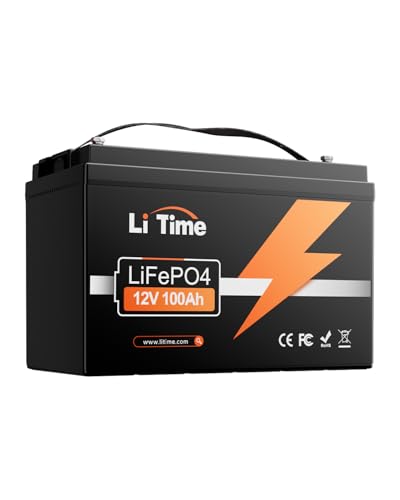
- 22.05 lb Group 31 lithium battery
- 100A BMS with built-in protection
- 15,000+ cycles and 5-year warranty
Best For: RV and trailer users who want a lightweight lithium battery with long cycle life
Maintenance-Free AGM Pick – Weize 12V 100Ah Maintenance-Free Deep Cycle
If you want one of the more straightforward deep cycle batteries for RVs, this Weize 12V 100Ah AGM is built for dependable house power with very low maintenance. Its sealed AGM design helps reduce acid leakage concerns, and the low self-discharge rate makes it a practical pick for storage between trips.
Best For: RV owners who want a maintenance-free 12V AGM battery for general house power, camping, and solar setups.
Pros:
- Sealed AGM construction helps avoid acid leakage and frequent maintenance
- Low self-discharge of 1-3% per month supports longer storage periods
- Rated for RV, solar, UPS, wheelchairs, scooters, golf carts, and marine use
- 1100A max discharge current supports strong short-burst output
Cons:
- Heavy at 57 pounds, so installation is not especially easy
- Warranty is only 1 year
- AGM batteries still need to be kept charged for best lifespan
This is a solid all-around choice if you want familiar AGM technology and simple upkeep. It is best suited to buyers who value reliability and broad compatibility over the lighter weight and deeper cycle life of lithium options.
Dual-Purpose AGM Choice – Interstate Group 24 Marine/RV Dual-Purpose AGM
Among deep cycle batteries for RVs, this Interstate Group 24 AGM stands out if you need one battery that can start and supply accessory power. It is designed as a dual-purpose marine/RV battery with high-cranking output and deep-cycle capability, making it a practical fit for rigs that want fewer compromises.
Best For: RV and boat owners who want a dual-purpose AGM battery that can handle starting and accessory loads.
Pros:
- Dual-purpose design works as a cranking battery and deep-cycle power source
- Pure lead AGM construction is rated for 2x-3x the battery life of conventional alternatives
- Built for reliable deep-cycle output for lights, appliances, and pumps
- Includes a 2-year free replacement warranty
Cons:
- 70Ah capacity is lower than many larger house-battery options
- Group 24 size may not fit every battery tray or power setup
- Heavier than lithium options at 44.6 pounds
This is a smart pick if your RV or boat setup needs a flexible battery that can do two jobs well. It is especially appealing for weekend use where dependable starting power and accessory power both matter.
Reliable AGM All-Rounder – Renogy 12V 100Ah Deep Cycle AGM Battery
If you are comparing deep cycle batteries for RVs and want a well-known AGM option, this Renogy 12V 100Ah model is built for stable output and broad appliance support. Its sealed design, low self-discharge, and strong temperature range make it a practical choice for RVs, cabins, and solar-backed systems.
Best For: RV owners who want a 100Ah AGM battery for solar storage, appliance loads, and dependable cold or hot-weather use.
Pros:
- Supports series and parallel connections for flexible system design
- Low self-discharge rate below 3% per month helps with storage
- Wide discharge temperature range from -4 to 140°F
- Rated to power appliances like fridges, microwaves, CPAPs, and laptops
Cons:
- At 63.9 pounds, it is relatively heavy
- AGM chemistry is less cycle-rich than lithium alternatives
- Warranty is prorated rather than full replacement coverage
This Renogy battery makes sense if you want an established AGM house battery with flexible wiring options and solid environmental tolerance. It is a dependable middle-ground choice for RV and solar users who prefer sealed lead-acid construction.
Best Lithium Upgrade – 12V 100Ah LiFePO4 Smart RV Battery
For buyers looking beyond traditional deep cycle batteries for RVs, this 12V 100Ah LiFePO4 model offers a big step up in cycle life and weight savings. It is built for RV, marine, and off-grid use with a smart BMS, low-temperature protection, and a compact Group 31-sized case.
Best For: RV owners who want a lightweight lithium battery with long cycle life and built-in protection features.
Pros:
- Very lightweight at 24 pounds, about 60% lighter than comparable lead-acid batteries
- Smart 100A BMS adds protection against overcharge, over-discharge, over-current, and shorts
- 15000+ deep cycles and 10-year lifespan claim
- Expandable up to 4S4P for larger battery banks
Cons:
- Cannot charge below 32°F due to low-temperature cut-off
- Higher upfront complexity than a basic AGM drop-in replacement
- Requires lithium-compatible charging setup for best results
This is the strongest option here if you want the benefits of lithium without giving up RV-friendly form factor and storage simplicity. It is a compelling upgrade for users who care most about weight, cycle life, and advanced battery protection.
AGM Power for Heavy-Duty Use – Interstate 12V 110Ah AGM Deep Cycle Battery
If you want deep cycle batteries for rvs that favor sealed, maintenance-free reliability over the bells and whistles, this Interstate 12V 110Ah AGM battery is built for long, repeated discharge cycles. It’s a 12V SLA/AGM battery with spill-proof VRLA construction, making it a practical option for RV house power, solar, wind, and other high-demand use cases where steady output matters.
Best For: RV owners who want a maintenance-free AGM battery for deep-discharge, off-grid-style power needs.
Pros:
- Maintenance-free and spill-proof AGM/VRLA design
- Rated at 12V 110Ah for long-life deep discharge use
- Built for constant charging and discharging applications
- Universal fit with insert terminals
Cons:
- At 71.5 pounds, it is relatively heavy
- Notes say it is not a replacement for a golf cart battery
- Best suited to sealed lead-acid use cases, not lithium-style setups
This is a straightforward AGM pick for buyers who value proven sealed battery construction and broad application support. If your RV setup needs dependable deep-cycle performance and you don’t mind the added weight, it’s a solid traditional battery choice.
Lightweight Lithium Upgrade – SUPER EMPOWER 12V 100Ah LiFePO4 Group 24
For shoppers comparing deep cycle batteries for rvs, this 12V 100Ah LiFePO4 model stands out as a lighter drop-in replacement for lead-acid, AGM, or SLA batteries. It uses Grade A cells, a built-in 100A BMS, and a Group 24 footprint, which makes it a strong fit for RV house power, marine, solar, and off-grid energy storage.
Best For: RV users who want a lightweight lithium battery with built-in protection and drop-in compatibility.
Pros:
- Only 21.6 lbs, much lighter than typical lead-acid options
- Built-in 100A BMS protects against common battery issues
- Group 24 size with M8 terminals for easier replacement
- Supports RV, marine, solar, and off-grid energy storage
Cons:
- Not suitable for engine starting or cranking
- Charging requires a LiFePO4-friendly setup
- Charging is disabled below 32°F by BMS protection
This is a smart option if you want lithium performance without redesigning your battery bay. The lower weight and built-in protections make it especially appealing for RV house systems, but it does require the right charging equipment and temperature conditions.
Budget-Friendly AGM Capacity – WEIZE 12V 100Ah Group 31 Battery
If you’re shopping deep cycle batteries for rvs and want a conventional sealed lead-acid option, this WEIZE 12V 100Ah battery offers a straightforward Group 31 format. It’s maintenance-free and spill-proof, with a 3% self-discharge rate and a stated 1150A max discharge current, so it fits well in RV, camping, marine, and off-grid setups that need dependable stored power.
Best For: Buyers who want a standard-size AGM-style battery for RV and general off-grid use.
Pros:
- 12V 100Ah sealed lead-acid, rechargeable design
- Maintenance-free and spill-proof construction
- 3% self-discharge rate for better storage retention
- Group 31 size fits many RV and related applications
Cons:
- At about 60 pounds, it is still fairly heavy
- No wire harness or mounting hardware included
- Terminal orientation may require checking before installation
This WEIZE battery is a practical pick if you want a familiar lead-acid setup with simple maintenance and broad application compatibility. It’s less specialized than lithium, but it gives RV buyers a conventional deep-cycle option that’s easy to understand and use.
Best with Extra Features – 12V 100Ah LiFePO4 Group 31 Battery
If you want deep cycle batteries for rvs with a strong mix of safety, low weight, and long service life, this 12V 100Ah LiFePO4 option is built for modern RV use. Its Group 31 size makes it a practical drop-in upgrade, while the smart BMS, low-temperature charging cutoff, and fast recharge support make it easy to live with on the road.
Best For: RV owners who want a lightweight Group 31 lithium upgrade for camping, off-grid power, or travel use.
Pros:
- Weighs only 24 lbs, making installation and transport much easier than lead-acid batteries.
- Built-in 100A smart BMS adds protection against overcharge, over-discharge, over-current, and short circuits.
- Low-temperature charging cutoff helps protect the cells in cold weather.
- Rated for 15,000+ cycles at 60% DOD, with a claimed 10-year service life.
Cons:
- Lowest-temperature charging is limited, so it is not ideal for charging below 32°F/0°C.
- More of an RV house power solution than a battery for starting engines.
This is a strong pick if you value easy handling and long-term durability over the simplicity of lead-acid. The Group 31 fit and high cycle count make it especially appealing for repeated camping and solar-supported RV setups.
Sealed AGM Workhorse – 12V 100Ah Deep Cycle AGM Battery
For shoppers comparing deep cycle batteries for rvs and preferring a sealed lead-acid design, this Renogy 12V 100Ah AGM battery offers a familiar maintenance-free setup. It emphasizes chemical stability, strong low-temperature discharge performance, and very low self-discharge, which can be helpful for RVs that sit between trips.
Best For: RV owners who want a sealed AGM battery with low self-discharge and dependable cold-weather discharge performance.
Pros:
- Sealed AGM construction keeps maintenance simple and avoids internal troubleshooting.
- 3% monthly self-discharge rate helps it hold charge well in storage.
- Operates across a wide temperature range from -4 to 140°F.
- Can power common RV loads like a fridge, microwave, CPAP, coffee maker, and laptop.
Cons:
- At 63.9 lbs, it is much heavier than lithium alternatives.
- Lead-acid chemistry offers less cycle life than LiFePO4 options.
This battery makes sense if you want an AGM that is straightforward to own and dependable in variable temperatures. It is a practical choice for RV use, but the weight and chemistry are worth considering if you plan frequent dry camping or long-term upgrades.
Compact Lithium Performer – 12V 100Ah Group 31 LiFePO4 Battery
This LiFePO4 model is a compact option for buyers looking at deep cycle batteries for rvs and wanting lithium performance without giving up Group 31 compatibility. It combines a 100A BMS, high cycle life, and a lightweight design, making it a strong fit for travel trailers, marine setups, and RV house storage.
Best For: RV and travel trailer owners who want a lightweight Group 31 lithium battery with long cycle life and easy handling.
Pros:
- Built-in 100A BMS protects against common electrical faults and extends lifespan.
- Weighs just 22.05 lbs, making setup and transport very manageable.
- Rated for 15,000+ cycles at 60% DOD and over 10 years of service life.
- Comes with a 5-year warranty and 24-hour tech support.
Cons:
- Not compatible with starting-engine use or Jacks-type applications.
- Not compatible with MerCruiser/Mercury motors without a current regulator.
Overall, this is a solid lithium upgrade if you want long cycle life in a familiar Group 31 footprint. The low weight and protection features are especially useful for RV owners who prefer easier installs and less battery maintenance.
How We Picked the Best Deep Cycle Batteries for Rvs
We focused on batteries that fit common RV power needs, with an emphasis on usable capacity, cycle life, charging compatibility, and real-world convenience. We also looked at maintenance requirements, cold-weather protection, and whether each battery suits boondocking, travel trailers, motorhomes, or mixed solar setups.
Quick Comparison
AGM batteries are typically the easiest drop-in choice if you want a familiar setup and simpler charging compatibility. LiFePO4 batteries usually cost more upfront, but they deliver lighter weight, deeper usable capacity, and far longer cycle life. For many Deep Cycle Batteries for Rvs, the right answer depends on whether you prioritize initial cost or long-term performance.
Key Buying Factors for Deep Cycle Batteries for Rvs
Battery Chemistry
AGM is a strong choice for shoppers who want sealed, maintenance-free performance and broad compatibility with existing RV systems. Lithium iron phosphate is best for buyers who want lighter weight, faster charging, and the ability to use more of the rated capacity without damaging the battery.
Capacity and Runtime
Look at amp-hours, but also consider how much of that capacity is actually usable. A 100Ah LiFePO4 battery often provides more practical runtime than a 100Ah AGM battery because lithium supports deeper discharge without the same performance penalty.
Weight and Installation
Weight matters in RV applications, especially if you are upgrading multiple batteries or working with a tongue-weight-sensitive trailer. Lithium models are usually much lighter, while AGM batteries are heavier but often simpler to integrate into existing battery compartments.
Charging and Temperature
Make sure your charger, converter, or solar controller matches the battery type. Also check low-temperature protection if you camp in colder climates, since lithium batteries can require built-in safeguards for safe charging below freezing.
Who Should Buy Which Deep Cycle Batteries for Rvs?
If you want the easiest upgrade with familiar charging behavior, choose AGM. If you boondock often, run high electrical loads, or want the best long-term value, choose LiFePO4. Budget-conscious RV owners may prefer AGM for lower upfront cost, while frequent travelers and solar users will usually get more from lithium Deep Cycle Batteries for Rvs.