A duct booster fan can help move more heated or cooled air into rooms that never seem comfortable. The right choice depends on your vent size, duct diameter, required airflow, noise tolerance, and control preferences.
We selected 10 options ranging from register-mounted boosters for individual rooms to higher-capacity inline fans for longer duct runs, workshops, grow spaces, and whole-room ventilation projects.
Best 10 Duct Booster Fan Picks for 2026
Best Smart Inline Pick

- 402 CFM airflow for 6-inch ductwork
- 10-speed wired control with UIS compatibility
- Quiet 32 dBA EC motor
Best For: Adjustable ventilation, grow tents, and AV-rack cooling
Best Traditional Duct Booster
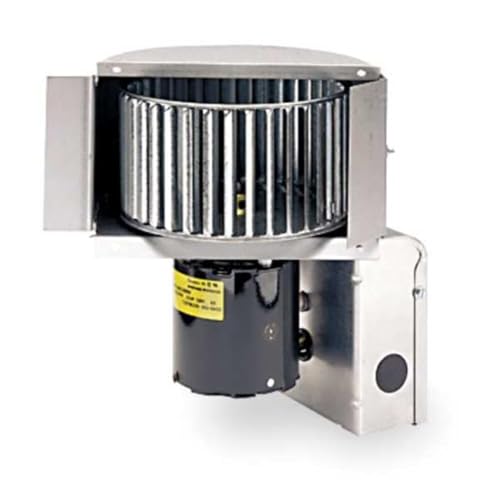
- Fits 5- to 8-inch round ducts
- 275 CFM single-speed airflow
- Rated for temperatures up to 200°F
Best For: Straightforward HVAC heating and cooling boosts
Best Register Booster

- Fits 4-by-10-inch register openings
- 130 CFM airflow at a quiet 17 dB
- Temperature triggers, app access, and 10 speeds
Best For: Targeted room comfort and register-level airflow
Best Value Inline Fan

- 345 CFM airflow for 6-inch ducts
- Quiet 32 dB(A) EC motor
- Stepless speed control and flexible mounting
Best For: Adjustable indoor ventilation and exhaust
Best Smart Register Upgrade

- Temperature-sensing automatic operation
- Remote control with 11 speed settings
- 140 CFM airflow at a listed 16 dBA
Best For: Quiet, sensor-controlled airflow in compatible rooms
Best Inline Value
Hon&Guan 4-Inch Inline Booster Fan

- 130 CFM airflow with 6W maximum power
- Variable speed controller included
- Suitable for indoor duct ventilation
Best For: DIY inline airflow boosting and exhaust applications
Quiet High-Capacity Pick

- 400 CFM airflow with manual variable-speed control
- Stated 34 dB operation for quieter ventilation
- Includes hanging and wall-mounting accessories
Best For: Large indoor ventilation and exhaust projects
Smart Register Booster

- 10 speeds and up to 110 CFM for targeted airflow
- 18 dB operation for bedrooms and quiet spaces
- Remote, thermostat, LCD, and timer controls
Best For: Improving airflow from residential floor, wall, or ceiling registers
Energy-Efficient High-Flow Pick

- 623 CFM airflow for larger duct systems
- Maximum power consumption of 44 watts
- Variable-speed controller and removable body
Best For: High-volume ventilation in attics, basements, grow rooms, and workshops
Best Smart Inline Pick – CLOUDLINE S6
The AC Infinity CLOUDLINE S6 is a versatile duct booster fan for 6-inch ductwork, offering 402 CFM of airflow for ventilation, odor exhaust, room air transfer, or AV-rack cooling. Its wired 10-speed controller and quiet EC motor make it suitable when adjustable, energy-conscious operation matters.
Best For: Grow tents, AV racks, rooms needing additional heating or cooling circulation, and other indoor 6-inch duct installations.
Pros:
- Strong 402 CFM airflow with a mixed-flow design for higher-resistance duct runs.
- 10-speed wired control, with compatibility with UIS controllers and intelligent programming.
- Quiet 32 dBA operation from a PWM-controlled brushless EC motor.
Cons:
- Designed for indoor use and 6-inch ductwork.
- More feature-rich than necessary for a basic single-speed booster application.
The CLOUDLINE S6 is a strong all-around choice if you want a duct booster fan with substantial airflow, quiet operation, and flexible controls rather than a simple on-or-off design.
Best Traditional Duct Booster – Tjernlund DB-2
The Tjernlund DB-2 is a traditional duct booster fan designed to increase heating and cooling delivery through round or shallow rectangular ductwork. Its 275 CFM rating and pressure-switch operation make it a practical option for straightforward HVAC airflow boosting.
Best For: Existing 5- to 8-inch round ducts or rectangular ducts as shallow as 3.25 inches that need a simple heating or cooling boost.
Pros:
- Fits 5- to 8-inch round ductwork and shallow rectangular ducts.
- Delivers up to 275 CFM of airflow.
- Rated for temperatures up to 200°F and built with a galvanized steel finish.
Cons:
- Single-speed operation provides less adjustment than variable-speed models.
- Listed noise level is 45 dB, higher than the quieter inline options here.
- Does not include a warranty according to the supplied details.
Choose the DB-2 when broad duct compatibility and uncomplicated operation are more important than app controls, multiple speeds, or ultra-quiet performance.
Best Register Booster – AIRTAP T4
The AC Infinity AIRTAP T4 is a register-style duct booster fan made specifically for 4-by-10-inch openings. It monitors room temperature, responds to HVAC activity, and provides adjustable airflow with quiet dual-ball-bearing fans.
Best For: Individual rooms with 4-by-10-inch floor or wall registers, especially where hot and cold spots need targeted airflow improvement.
Pros:
- Automatic temperature-based operation can boost airflow when HVAC systems activate.
- 10 speeds, timers, LCD monitoring, and included IR remote provide flexible control.
- Quiet 17 dB operation with up to 130 CFM airflow.
Cons:
- Designed exclusively for 4-by-10-inch duct openings.
- Its 130 CFM capacity is lower than the larger inline duct models.
The AIRTAP T4 is the better fit for room-by-room comfort adjustments when precise register compatibility, temperature triggers, and quiet operation matter more than maximum duct airflow.
Best Value Inline Fan – VIVOSUN P6
The VIVOSUN P6 is a practical 6-inch duct booster fan delivering up to 345 CFM for ventilation, exhaust, drying, and fume or smoke removal. Its EC motor, stepless speed regulator, and multiple mounting options make it adaptable for home, workshop, basement, and grow-space installations.
Best For: Indoor ventilation in grow tents, bathrooms, kitchens, basements, workshops, and other spaces needing adjustable 6-inch exhaust airflow.
Pros:
- Provides up to 345 CFM with a stepless speed regulator for precise adjustment.
- Runs at a listed 32 dB(A) with an energy-efficient brushless EC motor.
- Supports wall, ceiling, or duct-opening installation and includes stall protection.
Cons:
- Indoor use only according to the supplied details.
- Control is centered on a dial rather than app-based or programmable controls.
- Listed details show three power levels despite the stepless speed-control description.
The P6 is a sensible choice for buyers who want strong, quiet 6-inch ventilation with adjustable speed and flexible mounting without needing advanced smart controls.
Best Smart Register Upgrade – BIOWIND 4" x 10" Booster Fan
If you need a duct booster fan for a room with uneven temperatures, the BIOWIND smart register is designed to improve airflow through compatible wall or floor vents. Its temperature sensor, programmable controls, and remote-adjustable speeds make it a practical comfort upgrade—provided your duct opening measures exactly 4″ x 10″.
Best For: Bedrooms, offices, and other rooms needing quieter, sensor-controlled airflow improvement.
Pros:
- Automatically responds to temperature conditions and can continue briefly after the HVAC system shuts off.
- Offers 11 speed settings, including remote adjustment from 0–10 levels.
- Compact, plug-and-play design uses only 6W and produces listed airflow of 140 CFM at 16 dBA.
Cons:
- Fits only a 4″ x 10″ duct opening, so careful measurement is essential.
- Designed for register installation rather than inline duct placement.
The BIOWIND is a strong choice when quiet operation and automatic temperature-based control matter most. Measure the duct cutout—not the old grille—before ordering.
Best Inline Value – Hon&Guan 4-Inch Inline Booster Fan
The Hon&Guan 4-inch inline duct booster fan is suited to applications where you want to move air through ductwork rather than replace a floor or wall register. It combines a 130 CFM airflow rating with a variable speed controller and 6W maximum power consumption for bathrooms, workshops, basements, attics, and HVAC boosting.
Best For: DIY inline ventilation and targeted airflow support in small indoor duct systems.
Pros:
- Variable speed controller lets you adjust airflow and noise.
- Produces listed airflow of 130 CFM while using up to 6W.
- Compact 4-inch design is intended for several indoor ventilation applications.
Cons:
- Listed noise level is 26 dBA, higher than the register-style options here.
- Plastic body and blades may feel less substantial than an aluminum register fan.
- Its inline design requires duct connections and a different installation approach than a vent insert.
Choose this model if adjustable inline ventilation is more important than smart automation or ultra-quiet operation. Its compact size and low power draw make it a practical utility-focused option.
Best Connected Register Fan – AC Infinity AIRTAP T6
The AC Infinity AIRTAP T6 is a connected duct booster fan for 6″ x 10″ register openings. It automatically responds to HVAC temperature changes, provides an LCD display and timers, and supports remote, app, Alexa, and Google Home control for more detailed climate management.
Best For: Smart-home users who want automated control and monitoring from a compatible 6″ x 10″ register.
Pros:
- Temperature-responsive operation helps address hot and cold spots.
- LCD controls provide room-temperature monitoring, triggers, fan speeds, and timers.
- Supports included IR remote, app control, Alexa, and Google Home, with listed noise of 18 dBA.
Cons:
- Fits exclusively into 6″ x 10″ duct openings.
- Its smart features may be more than needed for users seeking simple manual boosting.
- Listed airflow is 120 CFM, lower than the BIOWIND and Hon&Guan ratings.
The AIRTAP T6 stands out for connected control and automatic HVAC response. It is the better fit for a 6″ x 10″ opening when app access, smart-home integration, and programmable operation justify the added complexity.
Quiet High-Capacity Pick – VEVOR 6-Inch Inline Duct Fan
If you need a versatile duct booster fan for larger ventilation tasks, the VEVOR 6-inch inline model delivers 400 CFM with manual variable-speed control. Its 34 dB AC motor and included mounting accessories make it suitable for grow tents, basements, kitchens, and equipment rooms.
Best For: Users who want strong, adjustable airflow for indoor ventilation, exhaust, or dehumidification projects.
Pros:
- Provides 400 CFM of airflow for broad ventilation coverage.
- Manual speed control helps match airflow to different environments.
- Runs at a stated 34 dB and includes slings, rubber mats, and mounting screws.
Cons:
- The 6-inch inline design is not a direct replacement for a standard register booster.
- Manual controls do not provide the remote or thermostat features found on some register fans.
This VEVOR model is a practical choice when airflow capacity and installation flexibility matter more than compact register placement. Confirm duct compatibility and mounting space before buying.
Smart Register Booster – AC Vent Booster Fan 4 x 10
This 4 x 10-inch register-style duct booster fan is designed for rooms with weak HVAC airflow, uneven cooling, or persistent hot spots. It offers 10 speed levels, quiet 18 dB operation, and remote thermostat and timer controls, but you should measure the register opening before ordering.
Best For: Bedrooms, offices, and other indoor rooms that need targeted airflow improvement from an existing register.
Pros:
- Provides 10 adjustable airflow levels and up to 110 CFM.
- Whisper-quiet 18 dB operation suits bedrooms and study areas.
- Includes remote control, LCD display, thermostat adjustment, and 2H/4H timer functions.
- Built-in aroma pad supports optional essential-oil use.
Cons:
- Requires careful measurement of the register opening and surrounding area.
- Its 110 CFM capacity is intended for targeted room circulation rather than large ventilation systems.
- Requires a nearby power outlet and cable-routing plan.
For a standard HVAC register, this model offers the most convenience-focused setup of the three, especially where quiet operation and automated controls are priorities. Verify the opening dimensions and power access first.
Energy-Efficient High-Flow Pick – Hon&Guan 8-Inch Inline Fan
The Hon&Guan 8-inch inline duct booster fan is built for moving substantial air through larger ductwork, producing a stated 623 CFM while using up to 44 watts. Its DC motor, included variable-speed controller, and removable plastic body suit workshops, basements, bathrooms, attics, and grow rooms.
Best For: Larger indoor ventilation systems that need high airflow with adjustable output and relatively low power consumption.
Pros:
- Offers a high stated airflow of 623 CFM through 8-inch ducting.
- Uses a maximum of 44 watts for energy-conscious ventilation.
- Includes a variable-speed controller for adjusting airflow and noise.
- Removable blade and body design supports easier maintenance.
Cons:
- Its stated 45 dBA noise level is higher than the quieter register booster in this roundup.
- The 8-inch duct size requires more installation space and compatible ductwork.
- The supplied controller is listed with three speed levels, offering less fine adjustment than 10-speed models.
This Hon&Guan fan is the strongest airflow option here and makes sense for larger duct runs or spaces that need rapid air exchange. Check the 8-inch duct connection, dimensions, and acceptable noise level before installation.
How We Picked the Best Duct Booster Fans
We focused on the specifications that matter most in everyday installation and use: airflow capacity, compatible vent or duct size, speed control, operating noise, power requirements, and installation format. The lineup includes register booster fans for 4-by-10-inch and 6-by-10-inch openings, along with inline models in 4-, 6-, and 8-inch duct sizes.
Because a higher CFM rating is not automatically better, we considered each fan in context. A compact register fan may be the better solution for one weak bedroom vent, while a larger inline model is more appropriate for a long duct run or a space requiring substantially more air movement.
Quick Comparison
| Best For | Recommended Type | What to Prioritize |
|---|---|---|
| One underperforming room vent | Register booster fan | Exact opening size, quiet operation, automatic controls |
| Existing 4-inch ductwork | Compact inline fan | Compatible diameter, variable speed, low power draw |
| General ventilation or cooling | 6-inch inline fan | CFM range, controller quality, duct compatibility |
| Large duct runs or high airflow | 8-inch inline fan | Static-pressure performance, mounting, noise |
Key Buying Factors for a Duct Booster Fan
Register Size or Duct Diameter
Measure before buying. Register-mounted models must fit the opening, commonly 4 by 10 or 6 by 10 inches. Inline fans must match the duct diameter; adapters can work, but they may add resistance, leakage, and installation complexity.
Airflow and Static Pressure
CFM describes air volume, but real-world performance also depends on duct length, bends, filters, grilles, and resistance. Choose enough capacity for the application without assuming the highest advertised rating will deliver that airflow after installation.
Noise and Speed Control
Bedrooms and living areas benefit from quiet motors and adjustable speeds. Variable-speed control lets you trade airflow for lower noise and energy use. A fan running continuously at maximum speed may be unnecessarily loud and inefficient.
Controls and Installation
Look for straightforward speed controllers, thermostatic or automatic operation where useful, and mounting hardware suited to the location. Confirm access to a suitable power outlet and leave room for servicing or cleaning the fan.
Who Should Buy Which Duct Booster Fan?
Choose a register booster if a single room has weak airflow but the existing HVAC duct and vent are otherwise suitable. Select a 4-inch inline fan for smaller ductwork and modest ventilation needs. A 6-inch model is the most versatile choice for many home cooling, exhaust, and duct-boosting projects. Move to an 8-inch fan when the duct is larger and the installation requires higher airflow.
If comfort problems affect multiple rooms, check for closed dampers, blocked filters, damaged ducts, or HVAC balancing issues first. A booster can improve delivery at one location, but it cannot correct an undersized system or replace professional ductwork repairs.