Choosing the best moisture meter for dehydrated food can help you verify drying results instead of relying only on texture or guesswork. The right instrument makes it easier to check jerky, dried fruit, vegetables, grains, and other shelf-stable foods.
This roundup compares portable water activity testers, halogen moisture analyzers, and grain-focused meters so you can match measurement capability, accuracy, capacity, and workflow to your food-preparation needs.
Best 10 Moisture Meter for Dehydrated Food Picks for 2026
Best for Connected Batch Tracking

- Bluetooth and USB data export
- Five-minute testing with temperature display
- Portable option for jerky and dehydrated foods
Best For: Repeat testing and organized quality control
Best for Laboratory-Style Moisture Measurement
U.S. Solid Halogen Moisture Analyzer
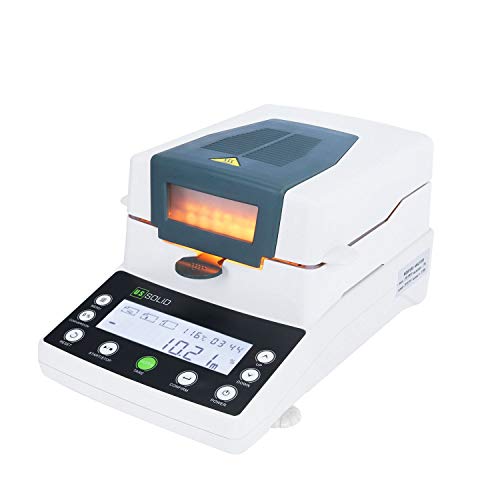
- 110 g capacity with 5 mg readability
- Adjustable drying up to 199°C
- Stores 15 methods and includes 50 pans
Best For: Bench testing of food, grain, herbs, and chemicals
Best Lightweight Basic Tester

- Approx. 100-gram portable design
- Five-minute aw measurements
- Backlit display shows aw and temperature
Best For: Mobile checks of dried and fresh food
Best Compact Halogen Option
Dehydrated Vegetables Moisture Analyzer
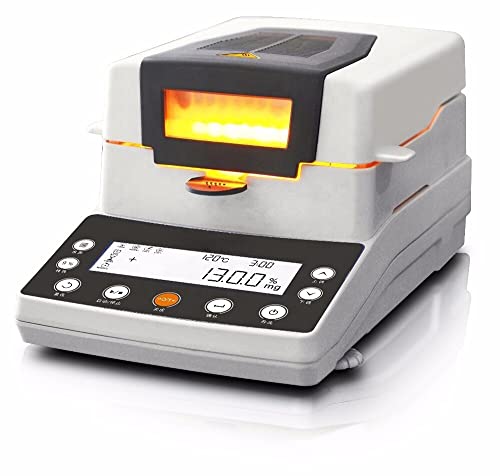
- Compact design for easier storage
- Positioned for dehydrated vegetables
- 30-day satisfaction guarantee noted
Best For: Everyday users wanting a compact halogen analyzer
Precision Grain & Food Meter

- Tests 25 grains and beans with a 90ml cup
- Stores up to 250 measurement records
- Displays moisture, humidity, and temperature
Best For: Grain, bean, coffee, and cocoa moisture checks
Portable Water Activity Tester
Food AW Meter for Dehydrated Foods

- Measures 0–1.0 aw for free-water monitoring
- Delivers readings in about five minutes
- Includes sample plate and carrying case
Best For: Dehydrated foods, dried fruit, snacks, and preserved products
Smart Food Quality Analyzer
Portable Water Activity Tester

- Measures 0–1.0 aw for food quality checks
- Displays aw and temperature in about five minutes
- Lightweight design with low-battery alert
Best For: Portable monitoring of jerky, dried fruit, grains, and vegetables
Quick-Check Pick

- Measures 0–1.0 Aw in about five minutes
- Displays water activity and sample temperature
- Lightweight design for portable checks
Best For: Routine checks of dehydrated foods, snacks, and baked goods
Connected Precision Pick
GY1 Smart Water Activity Meter
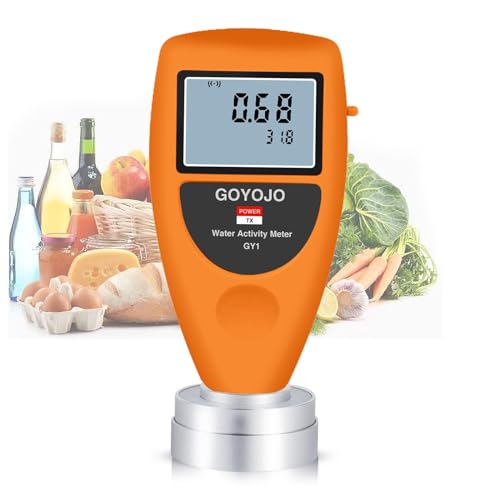
- Offers ±0.02 Aw accuracy across 0–1.0 Aw
- Monitors equilibrium stability during testing
- Transfers data by USB or Bluetooth
Best For: Connected testing workflows in food, agriculture, and research
USB Portable Pick
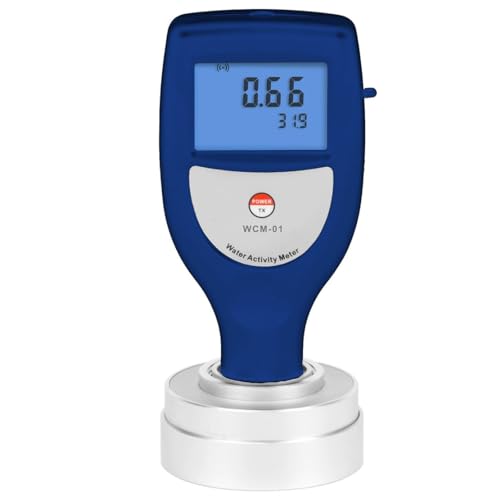
- Tests 0–1.0 Aw in about five minutes
- Adds USB output for PC connection
- Lightweight body with shutdown and voltage alerts
Best For: Portable food testing with quick PC-transferable readings
Best for Connected Batch Tracking – GY1 Pro Water Activity Meter
If you need a moisture meter for dehydrated food that measures water activity and keeps testing records organized, the GOYOJO GY1 Pro is a practical upgrade. It covers 0–1.000 aw, reports accuracy of ±0.02 aw, and completes tests in about five minutes.
Best For: Jerky, freeze-dried food, dehydrated products, and repeat testing where Bluetooth or USB data export is useful.
Pros:
- Bluetooth and USB connectivity support app viewing, PC software, and data export.
- Portable design with a carrying case makes on-site testing convenient.
- Displays water activity and sample temperature together.
- Five-minute testing helps streamline repeated measurements.
Cons:
- Its ±0.02 aw accuracy may not suit applications requiring tighter precision.
- Using the software features adds setup beyond basic handheld testing.
The GY1 Pro stands out when documentation and batch tracking matter as much as the reading itself. It is a particularly well-rounded choice for small production workflows that want portable testing plus digital records.
Best for Laboratory-Style Moisture Measurement – U.S. Solid Halogen Moisture Analyzer
For buyers seeking a moisture meter for dehydrated food that measures moisture percentage directly, the U.S. Solid Halogen Moisture Analyzer uses simultaneous drying and weighing. Its 110 g capacity, 5 mg readability, and adjustable 40–199°C drying range make it suited to more controlled bench testing.
Best For: Food, grain, herbs, and other samples tested in a home lab, production area, or laboratory setting.
Pros:
- Measures moisture to 0.1% with 5 mg readability.
- 450 W halogen heating supports fast, even drying.
- Stores up to 15 preset method groups for repeat testing.
- Includes 50 sample pans and RS-232 data connectivity.
Cons:
- At 110V and 60Hz AC, it is less portable than handheld meters.
- Requires sample preparation and drying, rather than providing a quick water-activity reading.
This analyzer is the strongest fit when you need moisture-content results, repeatable drying methods, and a stable work-surface setup. It is more equipment-intensive than a portable aw meter but offers broader display and method-storage features.
Best Lightweight Basic Tester – Portable Water Activity Meter
This portable water activity meter is a straightforward choice for checking dehydrated food without carrying a larger analyzer. It measures 0–1.0 aw, reports ±0.02 aw accuracy, and is designed to deliver readings in about five minutes.
Best For: Home users and mobile testers checking dried or fresh food in different locations.
Pros:
- Weighs about 100 grams for easy transport.
- Shows water activity and temperature simultaneously on a backlit LCD.
- Integrated sensor design avoids the need for additional equipment.
- Includes automatic and manual shut-off plus a low-battery indicator.
Cons:
- It does not list Bluetooth, USB export, or PC software support.
- Its ±0.02 aw accuracy is intended for general checking rather than the tightest measurement work.
The WA-60 keeps the workflow simple: prepare the sample, run the test, and read aw and temperature from one screen. Choose it over a larger moisture analyzer when portability and basic food-safety checks are the priority.
Best Compact Halogen Option – Dehydrated Vegetables Moisture Analyzer
If you are comparing a moisture meter for dehydrated food and want a compact halogen-style analyzer, this GOYOJO model is positioned for dehydrated vegetables and related moisture-testing tasks. The supplied information emphasizes a compact design, durable construction, and suitability for home, office, or travel use.
Best For: Buyers prioritizing a compact halogen moisture analyzer for dehydrated vegetables and general everyday testing.
Pros:
- Compact design is intended to simplify storage.
- Durable construction is presented as suitable for regular use.
- Designed for home, office, or travel environments.
- Includes a 30-day satisfaction guarantee according to the supplied description.
Cons:
- The supplied notes do not provide capacity, readability, drying temperature, or test-time specifications.
- No data-export or method-storage features are identified.
This model may appeal to shoppers who mainly want a compact analyzer and do not need a detailed specification sheet. Because key measurement figures are not supplied, verify its capacity and accuracy before choosing it for formal quality-control work.
Precision Grain & Food Meter – Multi-Grain Moisture Tester
If you need a moisture meter for dehydrated food alongside grain and bean testing, the INFURIDER tester offers a versatile option. Its 90ml cup sampling method measures 25 grain types, while the built-in temperature compensation helps support consistent readings in changing conditions.
Best For: Users who want one portable meter for grains, coffee beans, cocoa beans, and related moisture-checking tasks.
Pros:
- Measures 25 common grains and beans, including wheat, corn, rice, coffee, and cocoa.
- Offers stated measurement error as low as ±0.5% using electrical resistance technology.
- Stores up to 250 readings and displays moisture, humidity, and ambient temperature.
- Includes voice notifications, a backlit display, and automatic shutoff after 15 minutes.
Cons:
- Its listed applications focus primarily on grains and beans rather than broad food water-activity testing.
- The supplied notes do not specify a dedicated dehydrated-food mode.
This is the more feature-rich choice for grain-focused measurement and record keeping. For dehydrated foods where free water and shelf-life stability are the priority, a water-activity meter may be a closer fit.
Portable Water Activity Tester – Food AW Meter for Dehydrated Foods
For a moisture meter for dehydrated food, this portable water-activity tester measures free water rather than simply overall moisture content. It covers a 0 to 1.0 aw range and is designed for foods such as dehydrated items, dried fruit, bread, biscuits, meat, and preserved foods.
Best For: Home producers and small food operations checking water activity in dried foods, snacks, baked goods, and preserved products.
Pros:
- Measures water activity from 0 to 1.0 aw with stated ±0.01 aw resolution and ±0.02 aw accuracy.
- Provides readings in about five minutes once the sample stabilizes.
- Shows water activity and temperature on a backlit six-digit display.
- Includes a sample plate, carrying case, and operation manual.
Cons:
- Requires two AAA batteries, which are not included.
- Readings may require approximately five minutes to stabilize.
- The supplied notes do not mention onboard data storage.
Because water activity relates to microbial growth potential and food stability, this model is well matched to dehydrated-food quality checks. Its compact design is useful for portable testing, though its stated accuracy is better suited to practical monitoring than highly stringent laboratory work.
Smart Food Quality Analyzer – Portable Water Activity Tester
This smart analyzer is a practical moisture meter for dehydrated food when your main concern is water activity, packaging, storage, and shelf life. It measures from 0 to 1.0 aw, displays sample temperature, and is intended for foods including jerky, dried fruit, grains, vegetables, and baked goods.
Best For: Users who want portable water-activity monitoring for dehydrated foods and basic quality-control records.
Pros:
- Offers ±0.01 aw resolution and stated ±0.02 aw accuracy.
- Produces results in approximately five minutes under the specified operating conditions.
- Uses a six-digit backlit display to show aw and temperature.
- Lightweight at 100g and includes auto power-off, low-battery alerts, and stated data-output options.
Cons:
- The supplied notes are unclear about which connectivity model or output configuration is included.
- Requires testing within the stated 0–50°C and below-95% RH operating conditions.
- The listed included component is limited to the camera body, so accessories should be verified.
This is a convenient choice for portable food monitoring, particularly when you want water-activity information rather than a conventional grain-moisture percentage. Confirm the exact connectivity version and included accessories before purchase if data transfer is important.
Quick-Check Pick – 5-Minute Food AW Tester
If you need a moisture meter for dehydrated food that provides a quick snapshot of water activity, this compact tester covers common foods such as dried produce, baked goods, snacks, and jams. It measures from 0 to 1.0 Aw and displays water activity and sample temperature together.
Best For: Home food makers and small-scale users checking dehydrated foods and baked products.
Pros:
- Measures water activity in about five minutes.
- Displays water activity and sample temperature simultaneously.
- Lightweight 100-gram design with an integrated sensor and display.
- Backlit LCD shows humidity and temperature readings.
Cons:
- Accuracy is specified at ±0.02 Aw, so it may not suit applications requiring tighter precision.
- The supplied notes do not mention data-output or Bluetooth connectivity.
This is a straightforward choice when fast, portable readings matter more than advanced connectivity. Its broad food applications make it practical for routine checks on dehydrated and baked foods.
Connected Precision Pick – GY1 Smart Water Activity Meter
For buyers who want a moisture meter for dehydrated food with more monitoring and data-handling features, the GY1 combines a 0–1.0 Aw range with a backlit display, stability monitoring, and USB or Bluetooth transfer. Its stated accuracy is ±0.02 Aw.
Best For: Food, agricultural, and research users who want portable testing with PC or Bluetooth data sharing.
Pros:
- Measures across a 0–1.0 Aw range with ±0.02 Aw accuracy.
- Shows water activity and sample temperature on a backlit LCD.
- Smart equilibrium monitoring helps track stability during testing.
- Supports USB PC communication and Bluetooth data transfer.
Cons:
- Typical results may take 15–30 minutes depending on the sample.
- Its added connectivity and monitoring features may be more than casual users need.
The GY1 is the stronger fit for organized workflows where readings need to be monitored and shared. Expect a longer test time than five-minute models, but gain more practical data-management flexibility.
USB Portable Pick – BlueA 5-Minute AW Monitor
This moisture meter for dehydrated food is designed for quick, portable checks of free-water activity in foods such as jerky, dried fruit, grains, vegetables, baked goods, and dried jams. It measures in about five minutes and adds USB output for connecting to a PC.
Best For: Portable food testing when quick readings and basic computer data transfer are useful.
Pros:
- Measures from 0 to 1.0 Aw with ±0.02 Aw accuracy.
- Provides water activity and sample temperature at the same time.
- Lightweight 100-gram body is convenient for on-the-go use.
- Includes USB data output plus automatic shutdown and undervoltage indication.
Cons:
- The supplied notes do not specify Bluetooth connectivity.
- Accuracy is listed as ±0.02 Aw, which may be limiting for highly exacting measurements.
This model balances a fast test cycle with useful status indicators and USB connectivity. It is a practical option for users who want to take readings away from the workbench and record them on a computer.
How We Picked the Best Moisture Meter for Dehydrated Food
We focused on the measurement method, stated accuracy, usable range, sample capacity, temperature control, portability, and data-handling features. The selection includes water activity meters for evaluating how much moisture is available for microbial growth, halogen analyzers that measure moisture loss during controlled heating, and grain meters designed for specific commodities.
Because product listings can vary in documentation and calibration support, buyers should treat specifications as a starting point and confirm the manual, included accessories, and intended food applications before ordering.
Quick Comparison
- Best for water activity: Portable AW testers covering approximately 0.000 to 1.000 aw are suited to jerky, dried fruit, vegetables, baked goods, and other foods where storage stability matters.
- Best for laboratory-style testing: Halogen moisture analyzers provide controlled heating and a direct moisture-percentage result, but they are larger and require more careful sample preparation.
- Best for grains: Grain moisture testers are convenient for checking crops, coffee beans, cocoa, wheat, and similar materials, though their readings may not transfer reliably to mixed or processed foods.
- Best for portability: Battery-powered handheld AW meters are easier to use at home, in a small production space, or during batch checks away from a workbench.
Key Buying Factors for a Moisture Meter for Dehydrated Food
Water Activity Versus Moisture Percentage
Moisture content tells you how much water is present by weight, while water activity indicates how freely that water is available. For food safety and shelf-life decisions, water activity is often the more useful measurement. A moisture analyzer can still be valuable for process control, recipe development, and comparing drying batches.
Accuracy, Range, and Calibration
Look for a range appropriate to your foods and a clearly stated accuracy specification. Calibration options, reference standards, temperature compensation, and repeatability matter more than a large display or a long feature list. Follow the manufacturer’s cleaning and calibration schedule to reduce drift.
Sample Handling and Workflow
Consider how much sample the instrument needs, how long each reading takes, and whether it requires grinding, weighing, or a disposable cup. USB or Bluetooth export can simplify batch records, while a backlit screen is helpful in kitchens and production areas.
Build and Operating Conditions
Choose a meter that suits your environment. Portable units are convenient but may need protection from dust, condensation, and temperature swings. Heated analyzers require a stable surface, electrical power, and careful handling of hot pans and samples.
Who Should Buy Which Moisture Meter for Dehydrated Food?
Home dehydrator users should generally choose a simple portable water activity meter if they make jerky or dried fruit regularly and want repeatable batch checks. Small food businesses may benefit from a data-exportable AW tester for documenting production results and monitoring multiple product types. Test kitchens and serious developers should consider a halogen analyzer when moisture percentage, controlled drying, and repeatable laboratory-style comparisons are priorities. Grain, coffee, or crop producers should select a commodity-specific grain meter, provided its supported materials match the samples being tested.
No meter replaces validated recipes, safe dehydration temperatures, sanitation, or appropriate packaging. Use readings as part of a broader process-control plan, and consult applicable food-safety guidance when producing food for sale.