For children and teens who like to ask how the world works, a useful Christmas gift can turn curiosity into something they can observe, build, or explore. This collection includes hands-on science, nature, geography, art, and reading ideas for different interests and ages.
Educational Christmas Gifts to Explore
1. Gskyer 70mm Beginner Telescope
A First Look at the Night Sky
Gskyer 70mm Beginner Telescope

- 70mm aperture refractor telescope with two eyepieces and a 3x Barlow lens.
- Includes a smartphone adapter and wireless camera remote for viewing and capturing images.
- Adjustable tripod and carry bag support different viewing positions and storage.
Best For: Kids and teens fascinated by the Moon and stars
2. TOMLOV DM301 Pro Digital Microscope
Screen-Based Science Discovery
TOMLOV DM301 Pro Digital Microscope

- 7-inch IPS screen provides an adjustable-angle view of specimens.
- Includes prepared and blank slides, with USB/HD output for a larger display.
- Built-in camera captures 8MP photos and 1080p video.
Best For: Students and families exploring specimens together
3. PalliPartners Compound Microscope Kit
A Detailed Biology Starter Set
PalliPartners Compound Microscope Kit

- Compound microscope offers magnification settings from 100X to 2000X.
- Kit includes 10 prepared slides, 18 blank slides, and dissecting tools.
- Top and bottom LED lights illuminate solid objects and translucent specimens.
Best For: Teens ready to explore cells and plant tissues
4. ELEGOO UNO R3 Smart Robot Car Kit
Build-and-Code Robotics Project
ELEGOO UNO R3 Smart Robot Car Kit

- Assemble and program a robot car using Arduino IDE and example programs.
- Explore line tracking, obstacle avoidance, app or IR control, and live camera video.
- Includes a rechargeable battery, sensors, motors, and an illustrated tutorial.
Best For: Older kids and teens interested in coding and robotics
5. Funto 24-Color Travel Watercolor Set
Outdoor Art and Nature Journaling
Funto 24-Color Travel Watercolor Set

- Includes a 24-color palette, watercolor journal, water brush, and collapsible cup.
- Crossbody bag stores the painting supplies for travel and outdoor sketching.
- Designed for beginners, students, hobbyists, and experienced artists.
Best For: Teens or adults who enjoy painting outdoors
6. Four-in-One Solar STEM Kit
A Small-Scale Energy Project

- Build a solar car, solar fan, wind-powered car, and wooden plane.
- Includes a magnetic screwdriver and assembly instructions.
- Designed for hands-on STEM activities at home or in a classroom.
Best For: Ages 8–14 interested in building and energy
7. AcuRite Iris Wireless Weather Station
Home Weather Observation
AcuRite Iris Wireless Weather Station
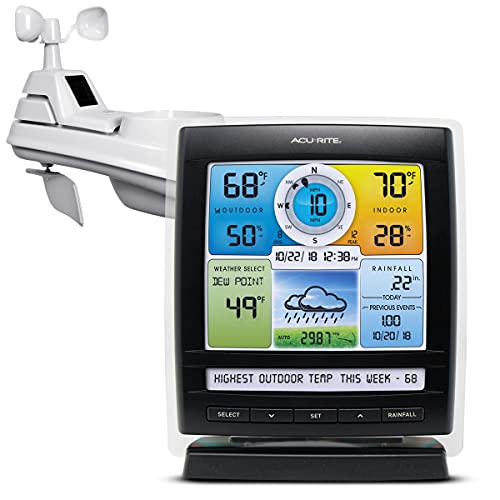
- Displays indoor and outdoor temperature and humidity, wind, pressure, and rainfall readings.
- Color LCD display includes time, date, and adjustable brightness.
- Uses outdoor sensor and indoor pressure data to provide a 12-hour forecast.
Best For: Teens and adults curious about local weather
8. Celestron Nature DX 8×42 Binoculars
Wildlife Watching Outdoors
Celestron Nature DX 8x42 Binoculars

- 8x magnification and 42mm objective lenses suit bird and wildlife viewing.
- Waterproof, nitrogen-purged housing is designed to resist fogging.
- Wide 7.4-degree field of view helps follow movement across a landscape.
Best For: Teens or adults who enjoy birdwatching and hiking
9. LETPOT LPH-Max 21-Pod Hydroponic Garden
Indoor Growing Through the Seasons
LETPOT LPH-Max 21-Pod Hydroponic Garden

- Indoor system has 21 planting pods and a 7.5-liter water tank.
- Full-spectrum 36-watt LED grow light adjusts in height up to 30 inches.
- Includes planting cups, sponges, baskets, lids, and A&B nutrients.
Best For: Older kids, teens, or adults curious about growing plants indoors
10. Replogle 12-Inch Student World Globe
Geography at a Glance
Replogle 12-Inch Student World Globe

- 12-inch political globe features raised relief for textured topography.
- Includes a tilted axis, time dial, and population centers.
- US states are distinguished with different colors; a bonus map is included.
Best For: School-age learners exploring geography
11. BookFactory Grid Laboratory Notebook
A Place for Project Notes
BookFactory Grid Laboratory Notebook

- Hardbound notebook has 96 pages with a quarter-inch grid.
- Includes user data, documentation guidelines, and table-of-contents pages.
- Section-sewn binding lets the notebook lie flat when open.
Best For: Teens who keep records for science projects
12. Ecosystem Family Card Game
Ecology for Game Night

- Players draft and arrange cards to build habitats with animals and environments.
- Game is designed for 2–6 players and takes about 15–20 minutes.
- Play focuses on biodiversity, sustainability, and matching animals with habitats.
Best For: Families and classrooms learning about ecology
13. The Usborne Science Encyclopedia
A Reference Book for Young Scientists
The Usborne Science Encyclopedia

- 448-page science reference covers topics including gravity, flight, genes, and DNA.
- Includes QR-linked video clips, a glossary, and key dates and biographies.
- The book describes 140 simple experiments for children to try at home.
Best For: Curious readers around ages 8–12
14. EuroGraphics Periodic Table Jigsaw Puzzle
Chemistry in Puzzle Form
EuroGraphics Periodic Table Jigsaw Puzzle
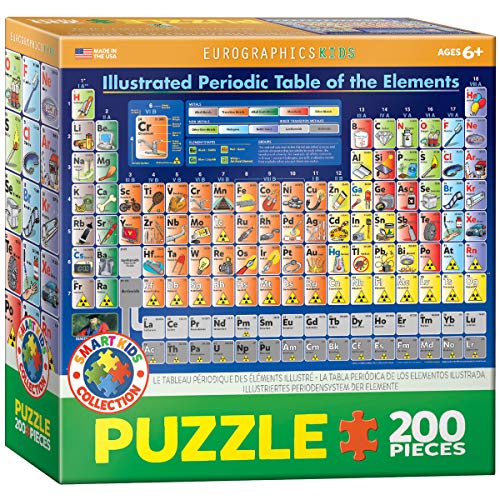
- 200-piece jigsaw features an illustrated periodic table theme.
- Finished puzzle measures 13 by 19 inches.
- Tabletop puzzle is intended for children and young people.
Best For: School-age children beginning to explore chemistry
15. Plant Growing Science Kit
Hands-On Botany at Home

- Activity guide covers 19 plant experiments, including hydroponic root growth and transpiration.
- Kit includes a magnifier, test tubes, hydroponic baskets, flowerpots, and a 17-page illustrated guide.
- Activities use seeds such as dry beans, corn kernels, or grass seeds.
Best For: Ages 8–12 who enjoy plants and observation
16. Snap Circuits Jr. SC-100 Kit
Buildable Electronics Projects

- Kit supports more than 100 electronics projects using snap-together parts.
- Includes a full-color project manual and plastic grid board.
- Projects introduce circuit building without soldering or extra tools.
Best For: Ages 8 and up who like building and troubleshooting
Choosing an Educational Gift for a Curious Learner
Start with the kind of question the recipient already asks. A child who notices birds on walks may get more from binoculars than from a broad science kit. Someone fascinated by tiny details might enjoy a microscope, while a budding engineer may prefer a robot car or circuit set that turns instructions into a working project. Books, globes, puzzles, and ecology games can be a good fit for learners who like to read, discuss, or solve problems at their own pace.
Age guidance is useful, but interest and readiness matter too. Several kits are intended for children around age eight and up; the robot car notes adult guidance for first-time builders. Consider whether the recipient enjoys following a sequence, experimenting freely, or sharing an activity with someone else. A gift that matches how they like to learn is more likely to become part of their routine after Christmas.
Set a Budget Around the Kind of Experience
These ideas range from compact tabletop activities to larger equipment for ongoing exploration. A puzzle, notebook, or book can offer an accessible entry point. A microscope, telescope, weather station, or indoor growing system brings more equipment and setup into the home. Compare what is included in each set: slides and accessories can make a microscope ready for varied observations, while a travel art set bundles supplies for painting away from a desk.
Think beyond the first use. A multi-activity botany kit or electronics project set offers several sessions, while binoculars or a globe can support repeated use across seasons and school topics. The value of an educational Christmas gift often comes from whether it invites the recipient back to the activity, rather than from how impressive the box looks on the day.
Check Compatibility and Personalization
For technology-based gifts, check what the recipient can connect or use. The digital microscope supports app viewing on iOS and Android and can output to televisions, laptops, or projectors. The telescope includes a smartphone adapter. These features are useful only if they fit the devices and setup the recipient has access to, so a quick check can prevent a mismatch.
Personalize the gift by pairing it with a simple plan for using it. A globe can prompt a family map challenge; a weather station can inspire daily observations; a notebook can become the record book for a garden or science project. For a shared gift, consider who can join in: the ecology card game accommodates two to six players, while microscopes and building kits can support guided exploration together.
Plan for Christmas Timing and First Use
Some gifts invite immediate activity, while others need space, setup, or suitable conditions. Indoor projects such as puzzles, books, circuits, and microscopes are easier to start regardless of winter weather. Outdoor observation tools may be most enjoyable when there is daylight or a clear night, so wrapping them with a first outing or observation goal can help create anticipation.
For growing kits and hydroponic systems, think about where the setup will live and whether the recipient has room to tend it. For project kits, glance through the listed contents and instructions before gifting so you know whether the child will benefit from adult help. If Christmas is close, use the product information available to you to check current delivery timing and any device or setup needs. That small bit of planning lets the gift feel ready to explore, even if the first experiment waits until after the holiday.