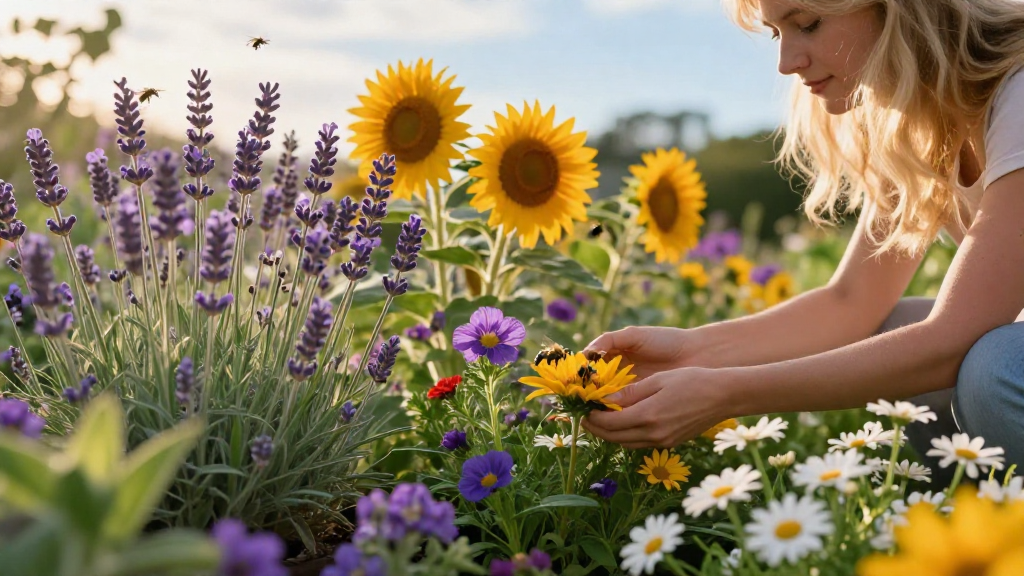
If you’re wondering how to attract bees to your garden, you’re in the right place.
These remarkable pollinators play an essential role in our ecosystem, helping to pollinate one-third of the food we eat. Attracting them to your outdoor space is not only beneficial for your garden’s health but also crucial for the environment. Here’s a guide that will arm you with natural ways to bring more bees into your garden.
Why Are Bees Important for Your Garden?
Bees are often referred to as nature’s best pollinators.
When you’re trying to figure out how to attract bees to your garden, understanding their importance is pivotal. Here’s why bees matter:
- Pollination: Bees transfer pollen from one flower to another, aiding in the reproduction of plants.
- Biodiversity: They support the growth of various plants and contribute to maintaining ecological balance.
- Food Production: Many fruits, vegetables, and nuts rely on bees for pollination, enhancing yield and quality.
- Honey Production: Bees produce honey, which can be harvested for human consumption.
What Plants Attract Bees?
One of the best ways to learn how to attract bees to your garden is by incorporating bee-friendly plants.
Choosing the right flora can make all the difference. Consider these popular bee-attracting plants:
- Sunflowers: Bright, tall, and cheerful, they draw bees in for their pollen.
- Lavender: Its fragrance is irresistible to bees, and the purple blooms are stunning in any garden.
- Clover: Common in lawns, clover is a favorite for bees, providing them with nectar.
- Borage: Its star-shaped blue flowers are not only beautiful but also excellent for attracting bees.
- Coneflowers: These resilient perennials are celebrated for drawing in pollinators.
- Milkweed: Essential for monarch butterflies, this plant also attracts various bee species.
For optimal results, consider flowering plants that bloom at different times throughout the growing season. This ensures bees have a reliable food source from spring to fall.
How Can Garden Design Help Attract Bees?
The layout and design of your garden can significantly impact how effective you are at attracting bees.
Here are a few design tips to help you learn how to attract bees to your garden:
- Plant in Clusters: Planting flowers in clumps makes it easier for bees to find food.
- Diversity is Key: Incorporate a variety of flowering plants to cater to different bee species.
- Create Wild Spaces: Leaving sections of your garden untamed can provide nesting sites and shelter for bees.
- Bee Hotels: Install bee hotels made of hollow reeds or wood to offer nesting sites for solitary bee species.
What Can You Do to Maintain a Bee-Friendly Environment?
Maintaining a bee-friendly garden requires a few critical steps.
To ensure your outdoor space remains attractive to bees, consider the following:
- Avoid Chemical Pesticides: Many pesticides are harmful to bees. Opt for organic or natural pest control methods.
- Water Sources: Provide shallow water sources where bees can safely drink. A small dish with pebbles and water can suffice.
- Reduce Lawn Areas: Expansive lawns are often void of nutrition for bees. Replace some of your lawn with flowering plants.
- Native Plants: Incorporate native species, as they have adapted to local climates and are more appealing to native bee populations.
How Does Seasonality Affect Bee Activity?
Understanding seasonal changes can aid your strategy on how to attract bees to your garden.
Here’s what to consider regarding bee activity throughout the seasons:
- Spring: As flowers bloom, bees emerge after winter. Ensure your garden is lively with early-blooming plants.
- Summer: The peak season for bees. Focus on maintaining diverse blooms and water sources.
- Fall: Bees gather resources for winter. Late-bloomers like asters or goldenrods are crucial during this time.
- Winter: Many inhabitants will retreat. Ensure hibernation sites and don’t disturb bee nests.
How do Organic Practices Aid Bee Attraction?
Adopting organic gardening practices ensures a safer environment for bees.
Here’s how going organic helps in attracting these pollinators:
- No Harmful Chemicals: With no synthetic pesticides or herbicides, bees remain unharmed.
- Healthier Soil: Organic practices enhance soil health, resulting in nutrient-rich plants.
- Sustainable Biodiversity: Organic gardens tend to attract a more diverse array of wildlife.
- Natural Pest Control: Beneficial insects can keep pest populations in check without harming bees.
By practicing organic gardening, you’re contributing positively to the ecosystem while effectively learning how to attract bees to your garden.
How Can You Get Involved in Bee Conservation?
Bee conservation goes beyond individual gardens.
Here’s how you can contribute to bee welfare in your community:
- Support Local Beekeepers: Purchase honey and beeswax products from local producers to help sustain their businesses.
- Educate Others: Share what you’ve learned about bees with friends, family, and neighbors.
- Participate in Local Conservation Programs: Join community programs that promote pollinator habitats and ecological education.
- Advocate for Pollinator-Friendly Policies: Contact local officials and advocate for policies that protect bee habitats.
Conclusion: Why You Should Start Attracting Bees Today!
Now that you know how to attract bees to your garden naturally, it’s time to put these practices to work.
Creating a bee-friendly environment not only enhances the beauty and productivity of your garden but also supports a vital component of our ecosystem.
Embrace the journey of bringing these pollinators into your life, and watch your garden thrive. With consistent effort and dedication, you can create a haven that attracts not only bees but a whole host of beneficial creatures—an excellent step toward a healthier planet.
Let’s ensure those buzzing friends of ours have a flourishing garden to visit!