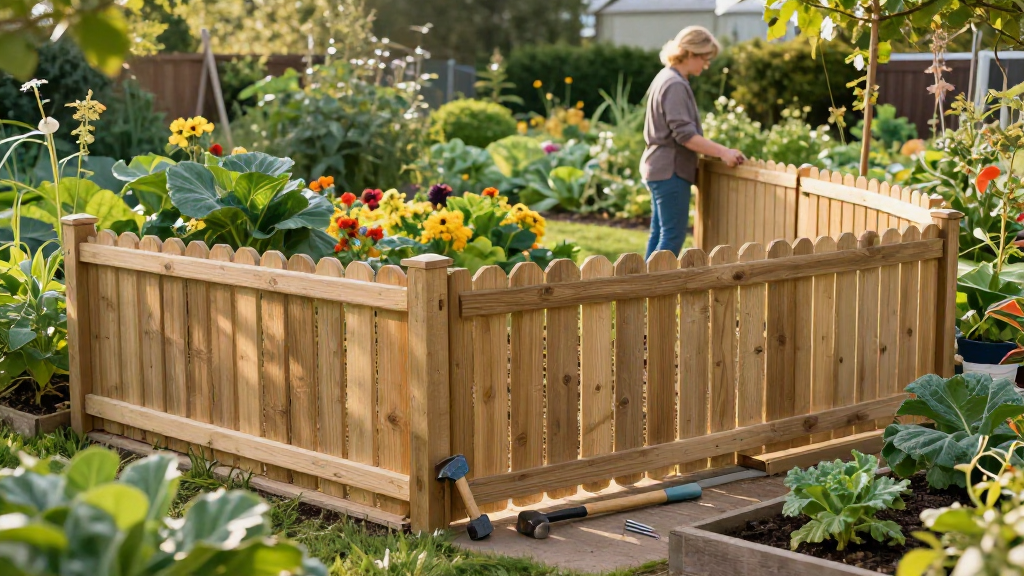
Building a garden fence is essential for protecting your plants from unwanted wildlife.
In this article, we will explore different methods and materials to help you learn how to build a garden fence that will effectively keep animals at bay.
Why Do You Need a Garden Fence?
A garden fence serves several purposes:
- Protection: Shields your plants from hungry animals like rabbits, deer, and raccoons.
- Privacy: Offers a barrier between your garden and external distractions.
- Aesthetic Appeal: Enhances the beauty of your yard or garden.
- Boundary Definition: Clearly marks your property lines.
With all these benefits, it’s no wonder so many gardeners want to know how to build a garden fence.
What Materials Can You Use to Build a Garden Fence?
When you decide on how to build a garden fence, the materials you choose are vital for its effectiveness and durability. Here are some popular materials to consider:
-
Wood:
– A classic choice for its natural appearance.
– Available in various styles — picket, privacy, and more.
– Requires occasional maintenance (e.g., painting or staining). -
Chain Link:
– Cost-effective and durable.
– Allows visibility and airflow.
– Can be enhanced with privacy slats. -
Vinyl:
– Low maintenance due to its resistance to rotting and fading.
– Comes in many colors and styles.
– Slightly more expensive upfront than wood or chain link. -
Wire Fencing:
– Great for keeping out smaller animals.
– Can be combined with wooden or metal posts.
– Easy to install and cost-effective. -
Composite Materials:
– Made from recycled materials and is eco-friendly.
– Mimics the look of wood without the maintenance.
– More expensive but very durable.
Choosing the right materials is one of the first steps in how to build a garden fence effectively.
How High Should Your Garden Fence Be?
To effectively keep animals out, the height of your garden fence matters significantly.
- For rabbits and small animals, a fence needs to be at least 3 to 4 feet tall.
- For deer, a taller fence of 8 feet or more is necessary.
Tip: Consider adding visual deterrents, such as pole decorations or crossbars, to discourage jumping.
How to Choose the Right Location for Your Garden Fence?
Placement is crucial when considering how to build a garden fence.
-
Assess Your Garden Size: Measure your garden dimensions to determine the appropriate length of fencing required.
-
Evaluate Surrounding Wildlife: Check if wildlife is a common issue in your area. Identify types of animals to tailor your fence design accordingly.
-
Consider Accessibility: Ensure that the fence allows access for gardening tasks and maintenance.
-
Leave Space for Plants: Make sure to plant your crops a safe distance from the fence to prevent damage.
What Are the Steps to Build a Garden Fence?
Now that you have your materials and a location, here are the steps on how to build a garden fence:
Step 1: Gather Your Tools
You’ll need:
- Post hole digger
- Measuring tape
- String and stakes
- Level
- Hammer or power drill
- Fencing materials (posts, panels, etc.)
Step 2: Plan Your Layout
- Mark the perimeter with stakes.
- Tie strings between the stakes to visualize the future fence line.
Step 3: Dig Post Holes
- Use the post hole digger to create holes at least 2 feet deep.
- Space holes every 6 to 8 feet, depending on your fence design.
Step 4: Set the Posts
- Place the fence posts in the holes and use a level to ensure they are straight.
- Fill in the holes with concrete or soil, packing it tightly around each post.
- Allow time for the concrete to cure if used.
Step 5: Attach the Fencing Material
- If using wooden panels, attach them to the posts using screws or nails.
- For chain link, unroll the fencing and stretch it between the posts, attaching with special clips.
Step 6: Add Finishing Touches
- Consider adding a gate for easy access.
- Paint or stain wood for protection and aesthetic appeal.
- Use landscaping or mulch around the fence base to deter animals.
What Common Mistakes to Avoid While Building a Garden Fence?
Understanding common pitfalls can make your how to build a garden fence journey smoother.
- Incorrect Measurements: Always double-check your measurements to avoid costly mistakes.
- Inadequate Height: Measure the typical wildlife in your area to determine appropriate heights.
- Skipping Ground Preparation: Poor ground preparation can lead to fence instability.
- Neglecting Maintenance: Regular checks can help prolong the life of your fence.
How to Maintain Your Garden Fence?
Maintaining your garden fence will ensure its longevity and effectiveness in keeping animals out. Here are useful tips to follow:
-
Inspect Regularly: Look for signs of damage or wear and address them immediately.
-
Repaint or Re-stain Wood: If you have a wooden fence, do this every few years.
-
Check for Leaning Posts: Secure any leaning posts by adding more support.
-
Clear Vegetation: Remove plants or debris that can weaken the fence structure or provide cover for animals.
Conclusion
Now that you know how to build a garden fence, you can keep unwanted animals out and protect your precious plants.
By selecting suitable materials, determining the right height, following clear steps, and avoiding common pitfalls, you’ll create an effective barrier that brightens up your landscape.
Remember, a well-built garden fence not only serves its functional purpose but also adds charm and character to your outdoor space. Happy gardening!